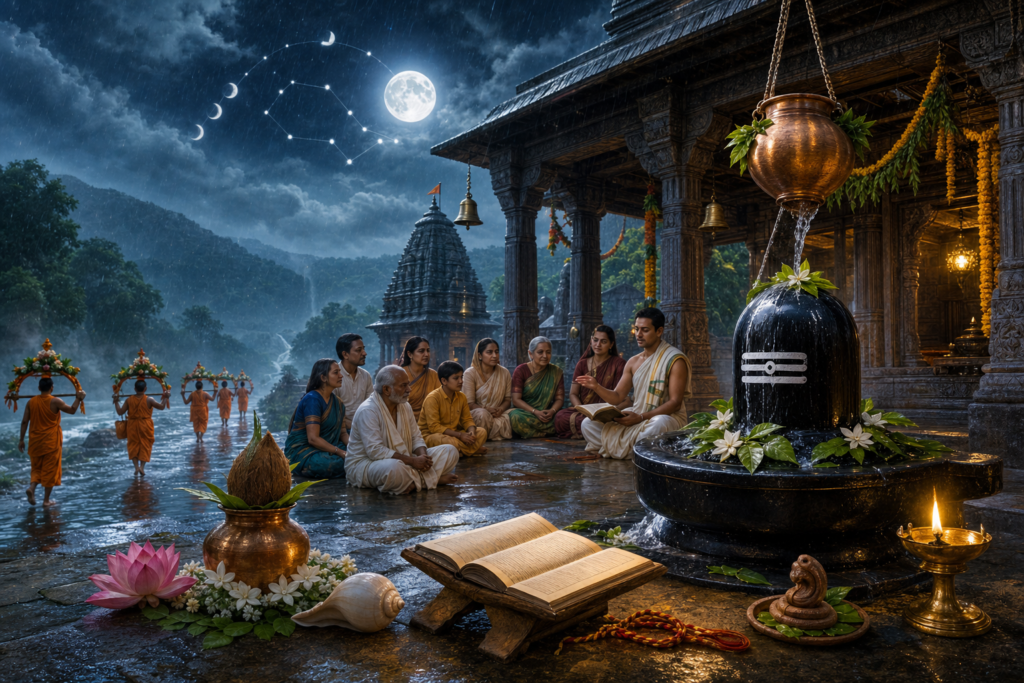
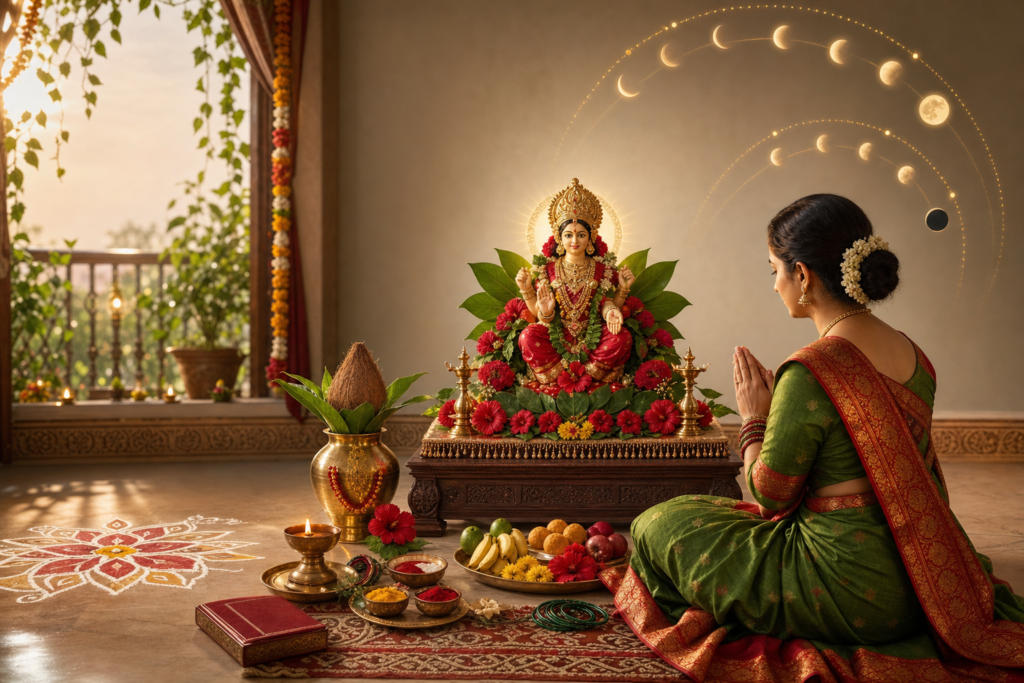
Mukkoti Ekadashi, observed on Dhanurmasa Ekadashi (the 11th day of Dhanurmasam), holds profound devotional significance for Vaishnavas and the wider dharmic community. In 2025, Mukkoti Ekadashi falls on two dates: January 10 and December 30, as per the Hindu calendar. The observance aligns closely with the traditions associated with Vaikuntha Ekadashi, emphasizing vrata (fasting), vigil, and darshan dedicated to Lord Vishnu.
This sacred Ekadashi is celebrated with exceptional fervor in South India, especially in Andhra Pradesh and Karnataka. Major Vishnu kshetras witness grand processions, special puja, and extended darshan timings. At Tirumala Tirupati Sri Venkateshwara Temple, the day is marked by solemn ritual precision and deeply moving devotional music, while Bhadrachalam Sri Sita Ramachandra Swamy Temple becomes a vibrant center of collective prayer and cultural expression.
Devotees traditionally observe fasting, recite the Vishnu Sahasranama, listen to Bhagavad Gita readings, and participate in temple darshan. Many also undertake pre-dawn visits, aligning their practice with the auspicious Brahma muhurta to cultivate stillness and one-pointed devotion. The symbolism of entering the sanctum through the Vaikuntha Dwaramwhere observedunderscores an inner passage from restlessness to serenity, a theme that resonates across dharmic contemplative lineages.
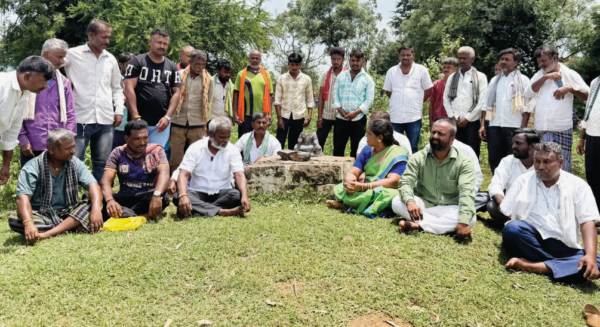
Accounts from families and pilgrim groups highlight the experiential dimension of Mukkoti Ekadashi: the quiet anticipation in long queues, the shared chants that dissolve individual boundaries, and the moment of darshan that often feels like an encounter with timeless grace. These communal experiences foster intergenerational continuityelders pass on discipline and reverence; younger devotees absorb the rhythms of practice with curiosity and awe.
The ethical and contemplative core of Mukkoti Ekadashiself-restraint, compassion, and inner purificationaligns with values honored across Hinduism, Buddhism, Jainism, and Sikhism. While the ritual form is distinctly Vaishnava, the emphasis on mindful living, seva (service), and reflection invites a broader unity of purpose among dharmic traditions, strengthening respect for diverse pathways to spiritual growth.
For planning in 2025, devotees may wish to note both datesJanuary 10 and December 30and confirm local panchang timings for parana (fast-breaking) and temple schedules. Large temples in Andhra Pradesh and Karnataka can experience significant pilgrim turnout; early arrangements for travel, accommodation, and queue management (where applicable) enhance the possibility of an unhindered darshan. Those observing the vrata at home may prepare a simple satvik menu for after the fast, organize collective recitations, and support community initiatives that reflect the day’s spirit of generosity.
Whether experienced within the sanctum’s grandeur or in the quiet of a home altar, Mukkoti Ekadashi 2025 offers a contemplative gateway to devotion and inner clarity. The rituals, hymns, and shared remembrance of Vishnu’s compassion encourage a steady commitment to ethical living and spiritual insight throughout the year.
Inspired by this post on Hindu Pad.