In view of the sacred Dhanurmasa, Tiruppavai discourses are scheduled from 16 December 2025 to 14 January 2026 at 233 centres across India. Led by eminent scholars under the auspices of the TTD Alwar Divya Prabandha Project, these pravachanams aim to deepen understanding of Andal’s hymns while nurturing devotion in the Tirumala Tirupati tradition.
Dhanurmasa (also known as Margazhi) holds a special place in the devotional calendar. Tiruppavai, composed by Sri Andal, is traditionally recited at dawn throughout this month, especially in Tirumala and Tirupati. Its thirty hymns invite disciplined practice, refined contemplation, and collective bhakti, creating a serene rhythm that guides devotees toward ethical living and spiritual insight.
As part of the TTD Alwar Divya Prabandha Project, the pravachanams focus on clear exposition of Andal’s verses, thematic reflections on dharma, and practical applications for daily life. Scholars highlight the historical, literary, and devotional dimensions of Tiruppavai, enabling participantsfrom students and families to senior citizensto connect meaningfully with the text and its lived tradition.
The nationwide reach of 233 centres ensures broad access, from metropolitan cities to historic temple towns. Programmes are typically conducted in the pre-dawn hours, with local variations to accommodate community needs. Specific timings and venues are generally announced by participating temples and TTD-affiliated centres in each locality.
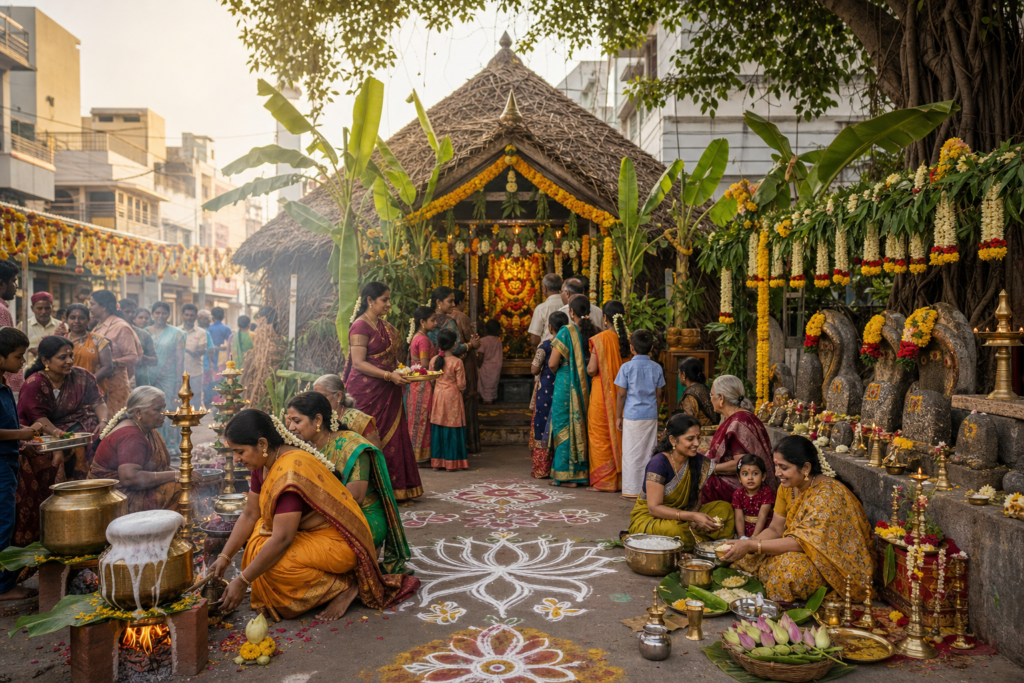
Many devotees describe the dawn gatherings during Dhanurmasa as deeply transformativean atmosphere that fosters quiet concentration, communal singing, and reflective listening. The virtues emphasized in Tiruppavaidevotion, compassion, and shared responsibilityresonate across dharmic traditions, encouraging unity among Hindu, Buddhist, Jain, and Sikh communities through mutual respect and common ethical aspiration.
The series spans 16 December 2025 through 14 January 2026, aligning with Dhanurmasa and culminating around Makara Sankranti 2026. This period provides an ideal opportunity to study Andal’s Tiruppavai in a structured, community-based setting and to experience the devotional cadence cherished in Tirumala Tirupati.
By participating at a nearby centre, attendees can engage with the timeless poetry of Andal, strengthen community bonds, and cultivate a contemplative morning practice that carries the spirit of Dhanurmasa into everyday life.
Inspired by this post on Hindu Pad.