Pandharpur’s Shri Vitthal-Rukmini Mandir—revered as the Vithoba Temple and fondly called the Pandharpur Temple—stands as one of Maharashtra’s most cherished Krishna temples. Here, Lord Vithoba, a form of Lord Krishna (Vishnu), is worshipped alongside Ma Rukmini, affectionately known as Rakhumai. Situated on the crescent-shaped bend of the Bhima (Chandrabhaga) River, the shrine embodies the Pandharpur Temple Mahatmya and the enduring Significance of Pandharpur Vithoba in the Bhakti tradition.
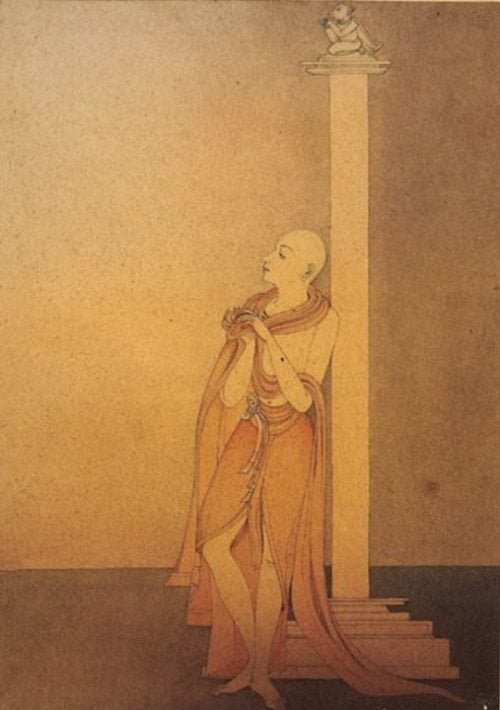
The temple’s mahatmya is anchored in the living legend of Pundalik. According to traditional narratives, Vithoba arrived at Pandharpur to bless the devotee, standing upon a brick offered in humble service. The iconic murti—with hands on hips, heels upon the brick—conveys metaphors of steadfastness, approachability, and compassionate grace. This iconography communicates that spiritual realization remains accessible to all, irrespective of birth, status, or background, a vision consistent with the inclusive currents of the Bhakti movement.
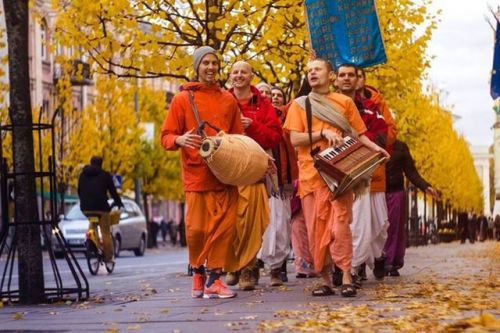
Pandharpur’s pilgrimage heritage is inseparable from the Varkari tradition. Each year, millions undertake the Wari—devotional foot pilgrimages culminating on Ashadhi Ekadashi and Kartiki Ekadashi. Palakhi processions from Dehu and Alandi evoke the teachings of Sant Dnyaneshwar, Sant Namdev, Sant Eknath, and Sant Tukaram, whose abhangas emphasize devotion, humility, and social harmony. These practices offer a compelling sociocultural lens on collective memory, ethical living, and inclusive spirituality in western India.
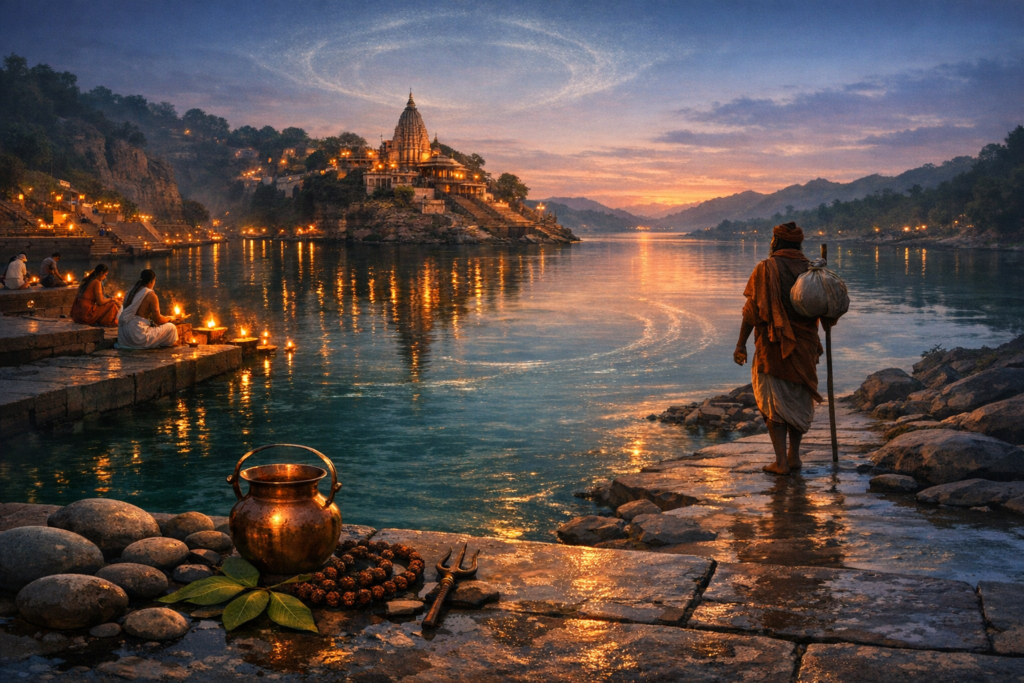
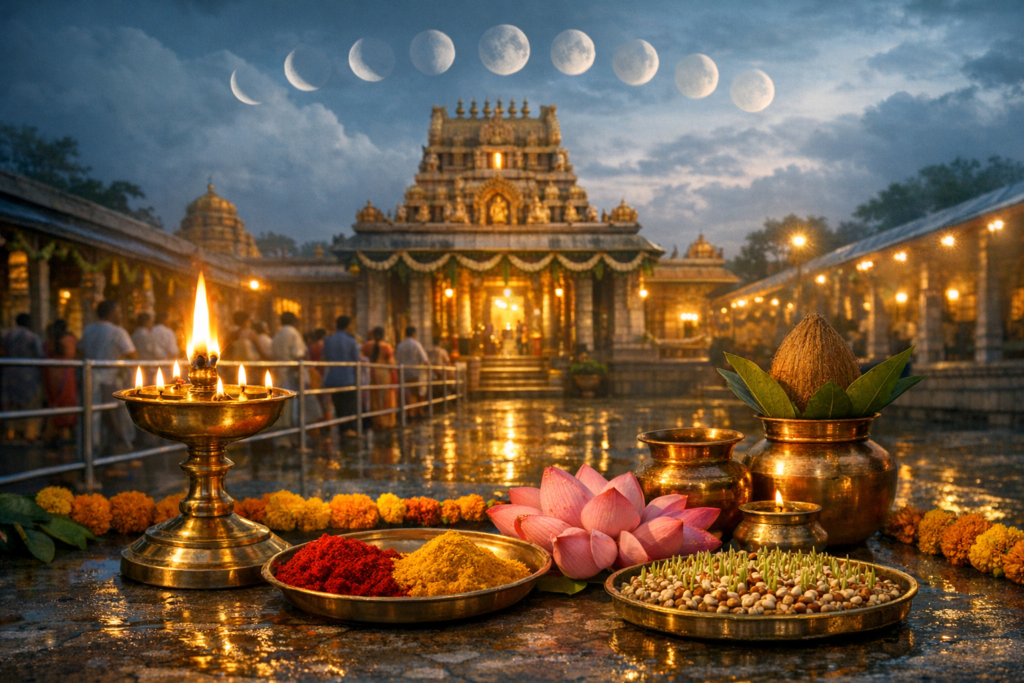
Daily temple worship centers on darshan of Vithoba and Rakhumai, with devotional singing (kirtan), recitation, and service (seva) animating the sacred precincts. The Chandrabhaga ghats host ritual bathing and reflective practices, linking personal sadhana to the temple’s broader liturgical rhythm. Many visitors note a palpable sense of peace, describing the experience as both intimate and communal—an encounter that strengthens ethical intent and devotional resolve.
The temple’s ethos resonates with shared dharmic values—bhakti (devotion), ahimsa (non-violence), seva (selfless service), and satsang (community of seekers). These principles, emphasized within Hinduism, also harmonize with virtues esteemed in Buddhism, Jainism, and Sikhism, such as compassion, self-discipline, and truthful living. In this sense, the Significance of Pandharpur Vithoba extends beyond regional devotion to a wider vision of unity in spiritual diversity, encouraging mutual respect among dharmic traditions.
For cultural travelers and pilgrims alike, Pandharpur offers multiple layers of engagement: sacred geography along the Chandrabhaga, living bhakti heritage through the Varkari movement, and the temple’s daily rituals that welcome seekers with dignity and warmth. Visiting during Ekadashi festivals provides insight into collective devotion, while quieter months allow contemplative immersion in the temple’s serene routines.
In sum, the Pandharpur Temple Mahatmya speaks to a timeless synthesis of devotion and ethics. As a living heritage site of the Bhakti movement, the Shri Vitthal-Rukmini Mandir continues to inspire through its inclusive message: spiritual closeness to the Divine is cultivated through simple devotion, moral clarity, and service to all—ideals that strengthen harmony across dharmic communities.
Inspired by this post on Hindu Pad.