
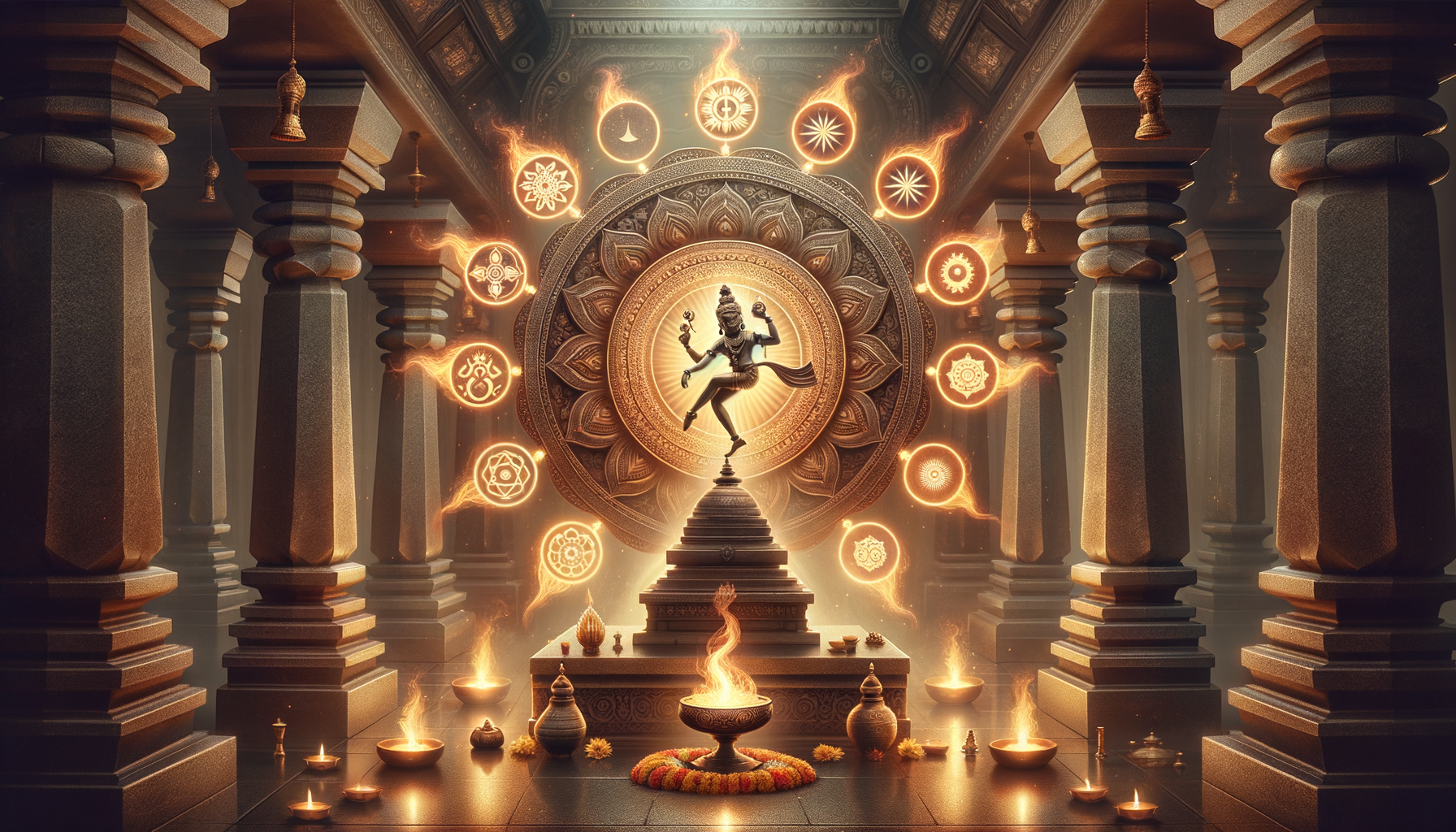
Chidambaram Nataraja Temple preserves a yearly cycle of six Maha Abhishekams that stand at the heart of its ritual life. Aligned with the traditional Tamil Hindu calendar, these ceremonies are revered as moments of sacred renewal that cleanse, energize, and ceremonially enthrone the Cosmic Lord. Each observance reinforces a living continuum of temple practice while inviting reflection on inner purification and collective harmony.
Maha Abhishekamliterally the great anointingcomprises a carefully sequenced ablution of the deity with sanctified substances, the intonation of Vedic mantras, and a majestic re-adorning that culminates in darshan. In Chidambaram, where Nataraja’s cosmic dance symbolizes creation, preservation, and dissolution, the rite is experienced as both personal and cosmic: a sacral re-centering that mirrors the rhythms of the universe and the moral order (dharma) sustaining it.
The six observances are distributed across the ritual year per the temple’s panchangam. Among these, Arudra Darisanam in Margazhi is especially renowned; in 2026, it falls on January 3, drawing devotees for the vision of Nataraja under the star Tiruvathirai. Another is Aani Thirumanjanam, an expansive mid-year abhishekam celebrated for its theological depth and grandeur. Maha Shivaratri in Maasi similarly anchors the cycle with night-long vigil, mantra, and meditation. The remaining Maha Abhishekams occur on temple-specified auspicious junctions across the year, determined by nakshatra and tithi as preserved in hereditary priestly tradition; devotees typically refer to the official almanac for exact dates and timings.
Ritually, the atmosphere is one of luminous order: conch blasts, layered Vedic recitations, and the visual progression from abhishekam to alankaram to deepa-darshan. Many visitors describe a palpable shiftfrom the austerity of ablution to the radiance of adornmentculminating in a shared, silent awe before the sanctum. The rite’s textures and tempos accentuate Nataraja’s iconography: the balanced poise, the circle of flames, the lifting of ignorance, and the abiding grace extended to all who seek it.
Historically, the temple’s ritual calendar bears the imprint of enduring cultural stewardship, including the classical efflorescence under the Chola Dynasty. The continuity of these Maha Abhishekams underscores not only the scholarship embedded in temple liturgy and architecture but also the resilience of a sacral urban center whose influence radiates across Tamil Nadu’s temple network and beyond. In this sense, Chidambaram stands as both a geographic and philosophical axis in India’s sacred geography.
At a deeper level, the symbolism of purification, mindful embodiment, and ethical renewal resonates across dharmic traditionsHinduism, Buddhism, Jainism, and Sikhism. While the ritual grammar is distinctively Saiva and temple-based, the underlying idealsself-discipline, inner clarity, compassion, and reverence for truthare shared. Framed thus, the six Maha Abhishekams invite a broader dharmic unity: honoring diversity of practice while affirming a common pursuit of wisdom and liberation.
For those planning a pilgrimage, Arudra Darisanam on January 3, 2026, will likely be the most crowded observance of the cycle. Early arrival, attention to temple advisories, and consultation of the official panchangam for precise schedules are recommended. Observing temple etiquette, allowing for extended queues, and preparing for seasonal conditions in Margazhi can help ensure a contemplative experience that aligns practical planning with the rite’s spiritual intent.
Inspired by this post on Hindu Blog.










