-
Ahura vs Deva: The dramatic Indo‑Iranian reversal—and what it reveals about Dharma

Why do Zoroastrian sources revere Ahura while condemning daevas, even as Hindu texts honor devas and oppose asuras? This long-form analysis traces the shared Indo-Iranian roots of these terms and explains how later reforms, rituals, and ethical priorities reversed their valuations. It clarifies early Vedic usage where asura could be a noble epithet, outlines Zarathustra’s…
-
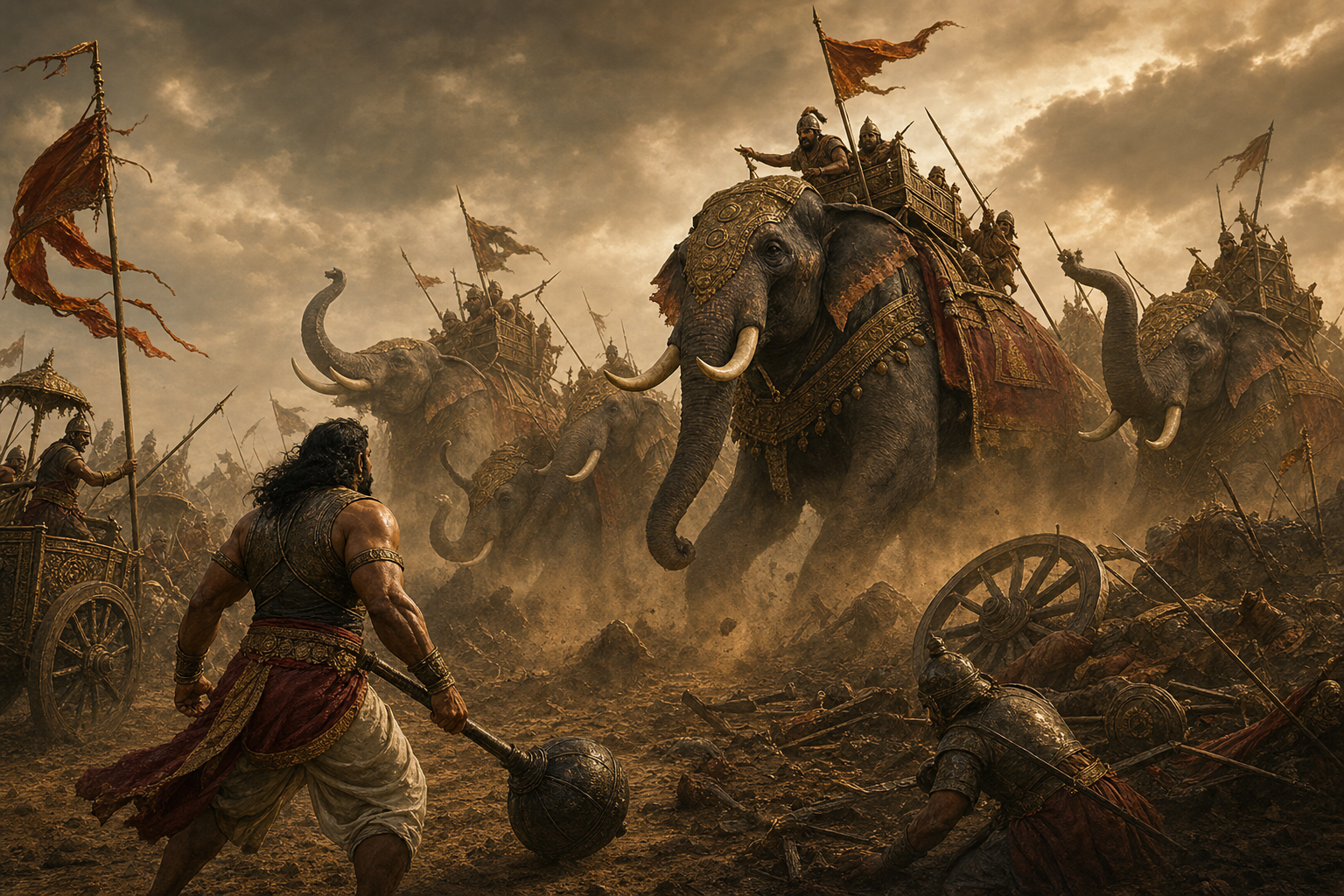
From War Thunder to Living Gods: Ratha (Chariot) as Weapon, Ritual, and Wisdom in Ancient Hinduism

This long-form, research-driven essay follows the ratha (chariot) from its earliest Vedic mentions through epic warfare, temple architecture, and living festivals. Readers gain a balanced view of textual evidence (Rigveda, Mahabharata, Upanishads), archaeological debates (including Sinauli), and the Arthaśāstra’s statecraft, alongside technical insights into chariot design, crew roles, and battlefield tactics. It unpacks the Kaṭha…
-
Shroud of Turin DNA and the ‘Indian Jesus’ Meme: History, Evidence, and Dharmic Unity

A viral ‘Indian Jesus’ meme has reignited debate about the Shroud of Turin and the possibility of Indo-Mediterranean links. This analysis clarifies what the 2015 mitochondrial DNA study actually found—heterogeneous contact with many populations—while noting the 1988 radiocarbon dating that points to a medieval linen. Legends placing Jesus in India remain unsubstantiated, yet they reflect…
-
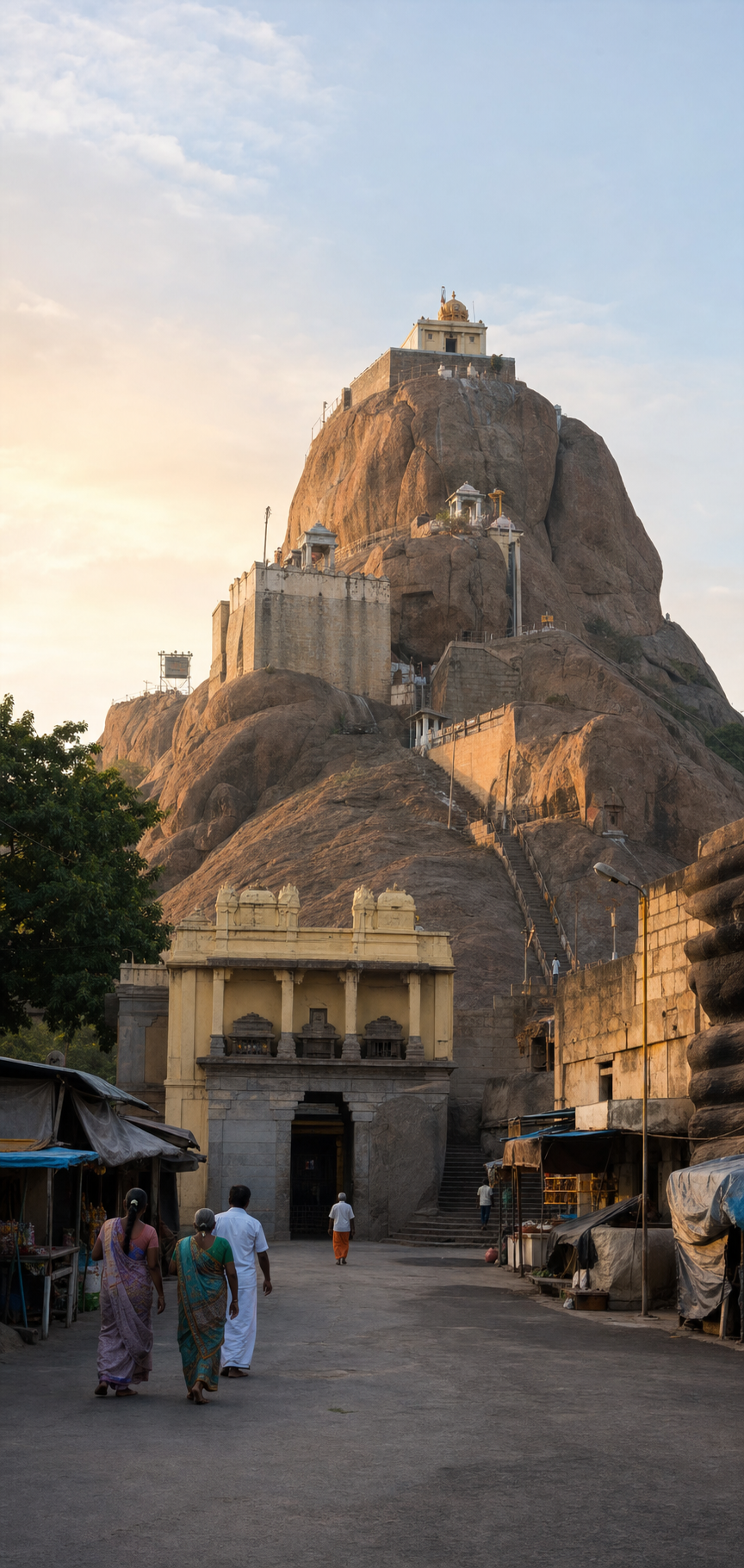
Haddinakallu Hanumantharaya Temple: A Timeless Ascent to Eagle Stone Hill’s Sacred Heritage

Sri Kshetra Haddinakallu Hanumantharaya Temple, the Eagle Stone Hill Temple in Karnataka, is a hill shrine dedicated to Lord Hanuman (Anjaneya) that unites sacred geography with living ritual. Local tradition attributes its origin to the 8th century CE under a regional ruler, a dating that aligns with broader early-medieval patterns though it awaits epigraphic confirmation.…
-
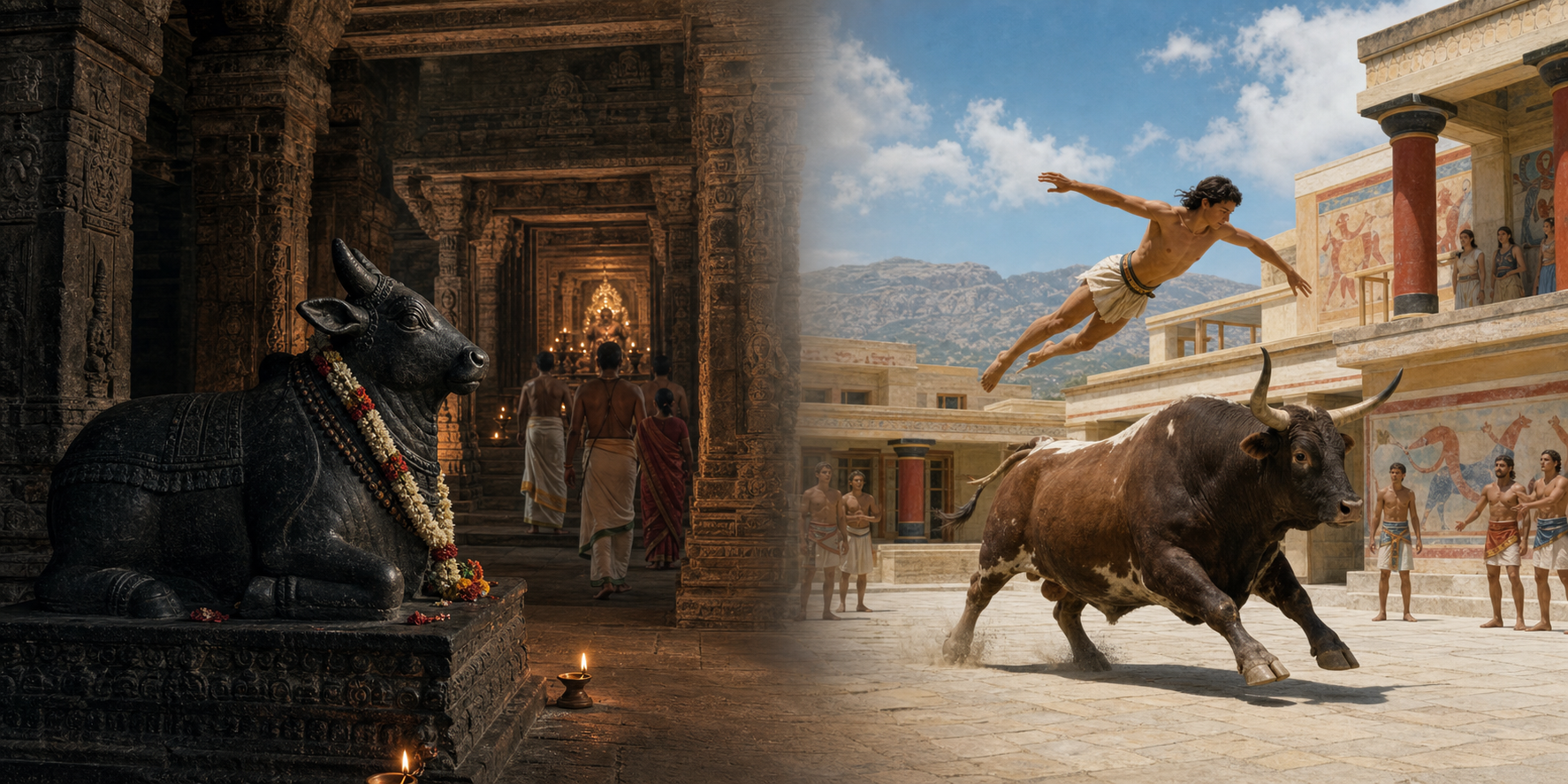
Goddess Ganga vs Amphitrite: A Deep Comparative Study of Sacred Waters and Worldviews

This in-depth, academically grounded comparison explores how the Hindu Goddess Ganga and the Greek Amphitrite personify sacred waters in distinct yet resonant ways. It analyzes primary textual traditions, iconography, and ritual practices to show why Ganga functions as a living tirtha and purifying path to moksha, while Amphitrite embodies regal maritime order within the Olympian…
-
Kubera and Mammon Unveiled: How Icons of Wealth Shape Ethics, Society, and Spiritual Life

Wealth has long stirred both aspiration and anxiety. This comparative study of Kubera in Hinduism and Mammon in the Aramaic and Christian traditions clarifies how cultures transform riches into ethical guidance. It shows how Hindu texts situate prosperity within dharma and community welfare, while biblical teachings personify Mammon to warn against greed. Readers gain practical…
-
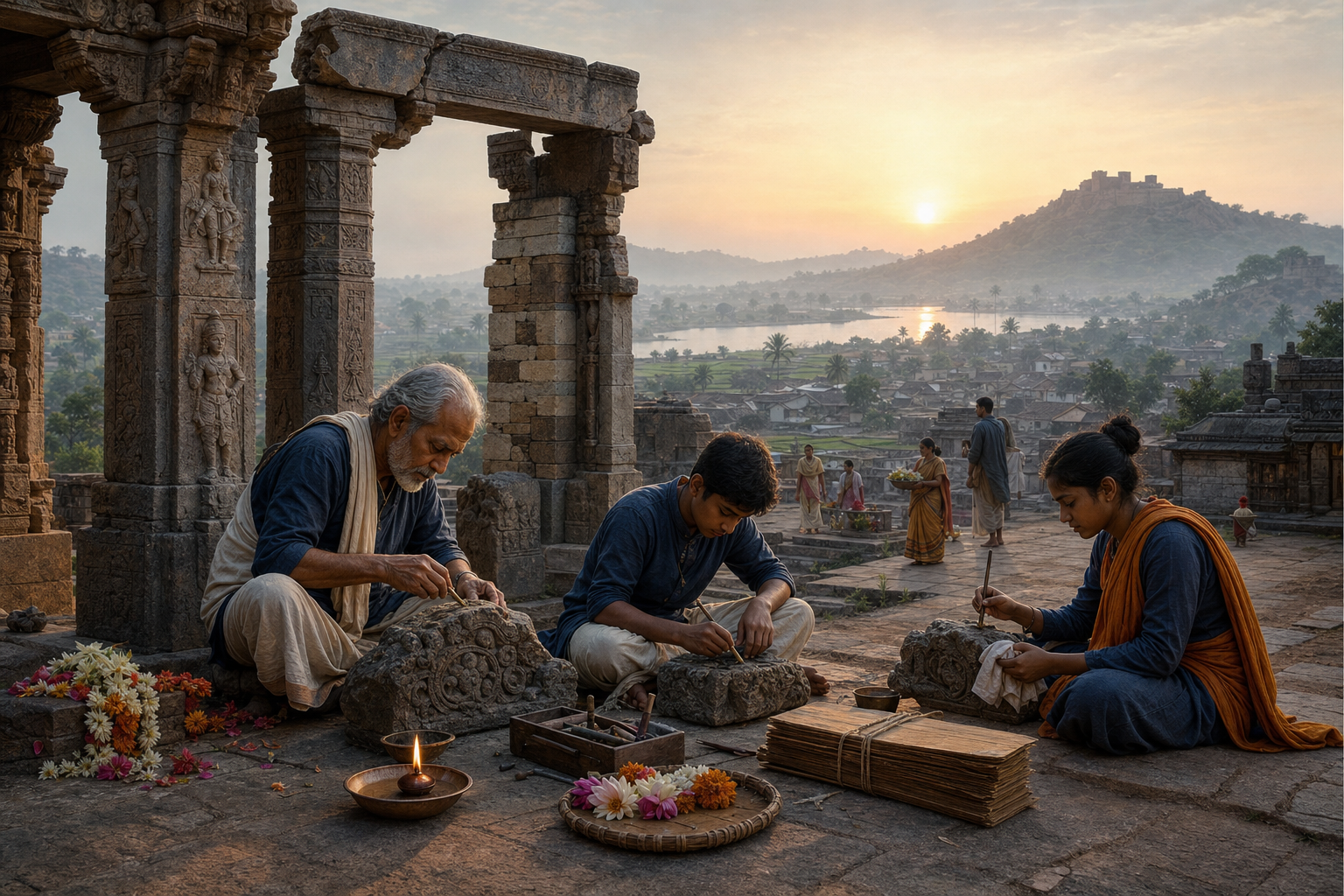
Unveiling Cheruvugattu’s Sacred Legacy: Sthalapuranam of Jadala Ramalingeswara Temple

Sri Parvathi Jadala Ramalingeswara Swamy Devasthanam at Cheruvugattu stands as an ancient hill shrine whose sthalapuranam binds sacred geography with enduring ethical themes. Tradition attributes the installation of Lord Ramalingeswara Swamy to Lord Parusharama in Trethayugam, situating the site within an early sacred timeline. A pivotal episode recounts Karthikaya’s abduction of Kamadhenu and her calf…
-
California Highway 54’s Mastodon Mystery: Evidence That Could Reframe Early North American Humans

In 1992–1993, monitoring of State Highway 54 construction in San Diego County revealed mastodon remains that some interpret as evidence of early human activity. Subsequent analyses linked the Cerutti Mastodon site to a late Pleistocene age, igniting robust scholarly debate. Critics point to natural breakage or construction damage, underscoring the need for multiple, independent lines…
-
Kubera and Plutus Compared: Timeless Lessons on Ethical Wealth Across Hindu and Greek Traditions

A cross-cultural comparison of Kubera in Hinduism and Plutus (Ploutos) in Greek mythology reveals how civilizations frame wealth as a moral responsibility. Kubera represents ritualized stewardship and the dharmic integration of artha with generosity and social duty. Plutus, by contrast, functions primarily as an allegory in Greek literature, symbolizing the capricious distribution of riches and…
-
When Murugan Faded from the North: A Powerful Historical Imagination of Lost Worship

This historically grounded imagination traces how Murugan (Kartikeya, Skanda, Subrahmanya) seemed to recede from public worship in Northern India without disappearing from the wider Hindu tradition. Drawing on Gupta-era markers, Mathura sculpture, and regional epigraphy, it reframes the shift as a plural, adaptive process rather than a rupture. Readers gain a nuanced view of sacred…
-
Discover Suyambu Varahi Amman Temple: Complete Guide to Uthirakosamangai’s 3200-Year Legacy

The Suyambu Varahi Amman Temple in Uthirakosamangai, Ramanathapuram, is revered as an ancient shrine, believed to be around 3200 years old. This guide explains its historical continuity through living rituals, legends of the self-manifested Varahi Amman, and the temple’s early Dravidian architectural character. Readers gain practical insights on visiting respectfully, from ideal timings to observance…
-
Complete Mudrarakshasa Analysis: Discover Chanakya–Rakshasa Statecraft and Essential Dharma

Mudrarakshasa is a Sanskrit political thriller that showcases Chanakya’s and Rakshasa’s mastery of statecraft, espionage, and ethical reasoning in the formative years of the Maurya Empire. The drama’s alternating scenes read like shatranj with human stakes, revealing how forged letters, disciplined intelligence work, and psychological insight can alter the balance of power. Far from caricaturing…
-
The Immortality Key: Uncovering the Secret History of the Religion with No Name

This is an origin story of Christianity with a psychedelic plot twist. While we all have heard of Rome, Jerusalem, and Nazareth, most of us have not heard of Eleusis. This Greek harbor town was the spiritual capital of the Western world. Plato visited Eleusis and wrote about the “blessed sight and vision” he witnessed…