
Tag: Ancient Hindu Texts
-
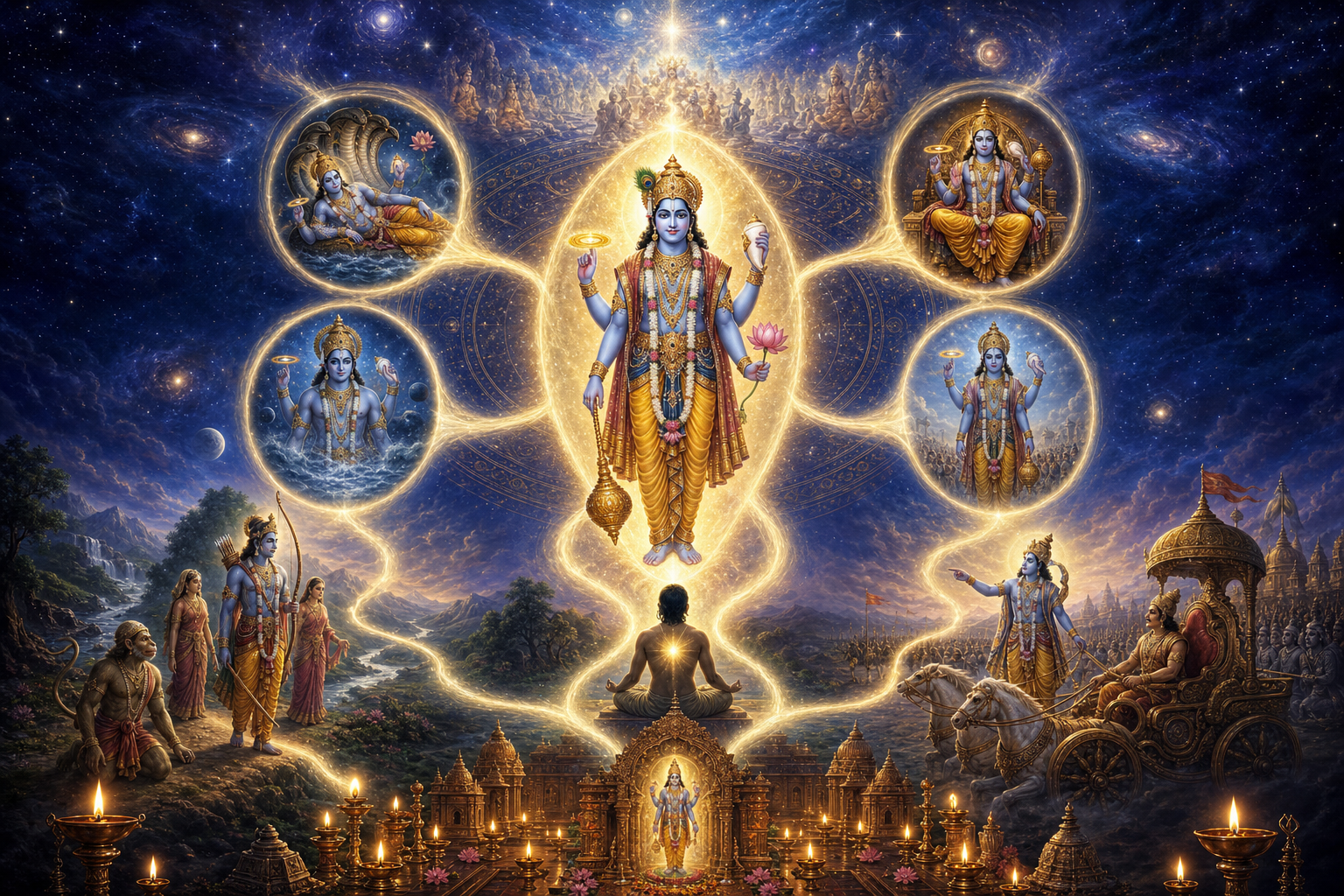
Pancharatra Theology: How Vishnu’s Manifestations Fit Together
-

Puja: Its Origins, Meaning, and a Simple Home Practice
-
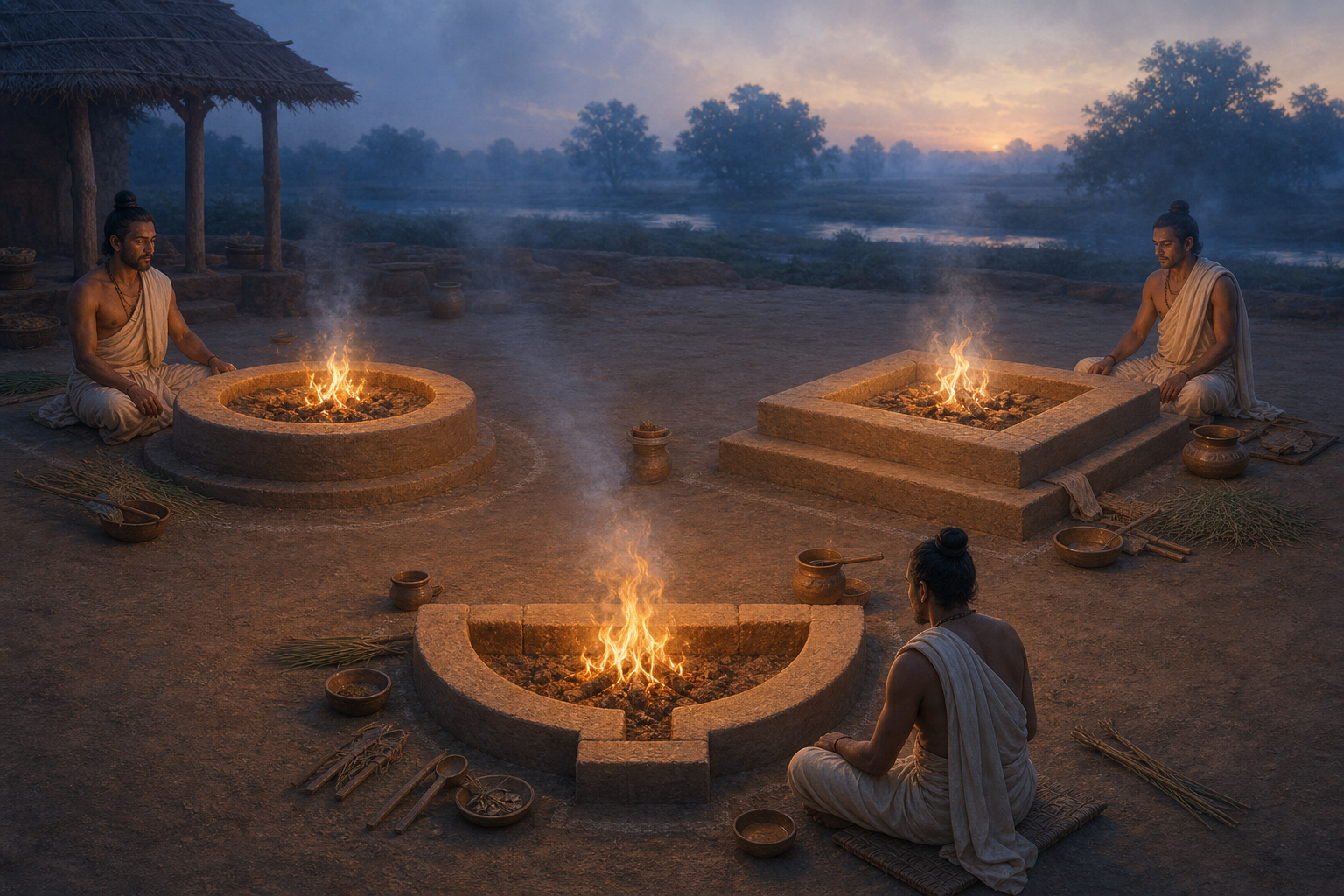
Dakshinagni in Vedic Ritual: Role, Meaning, and Practice
-
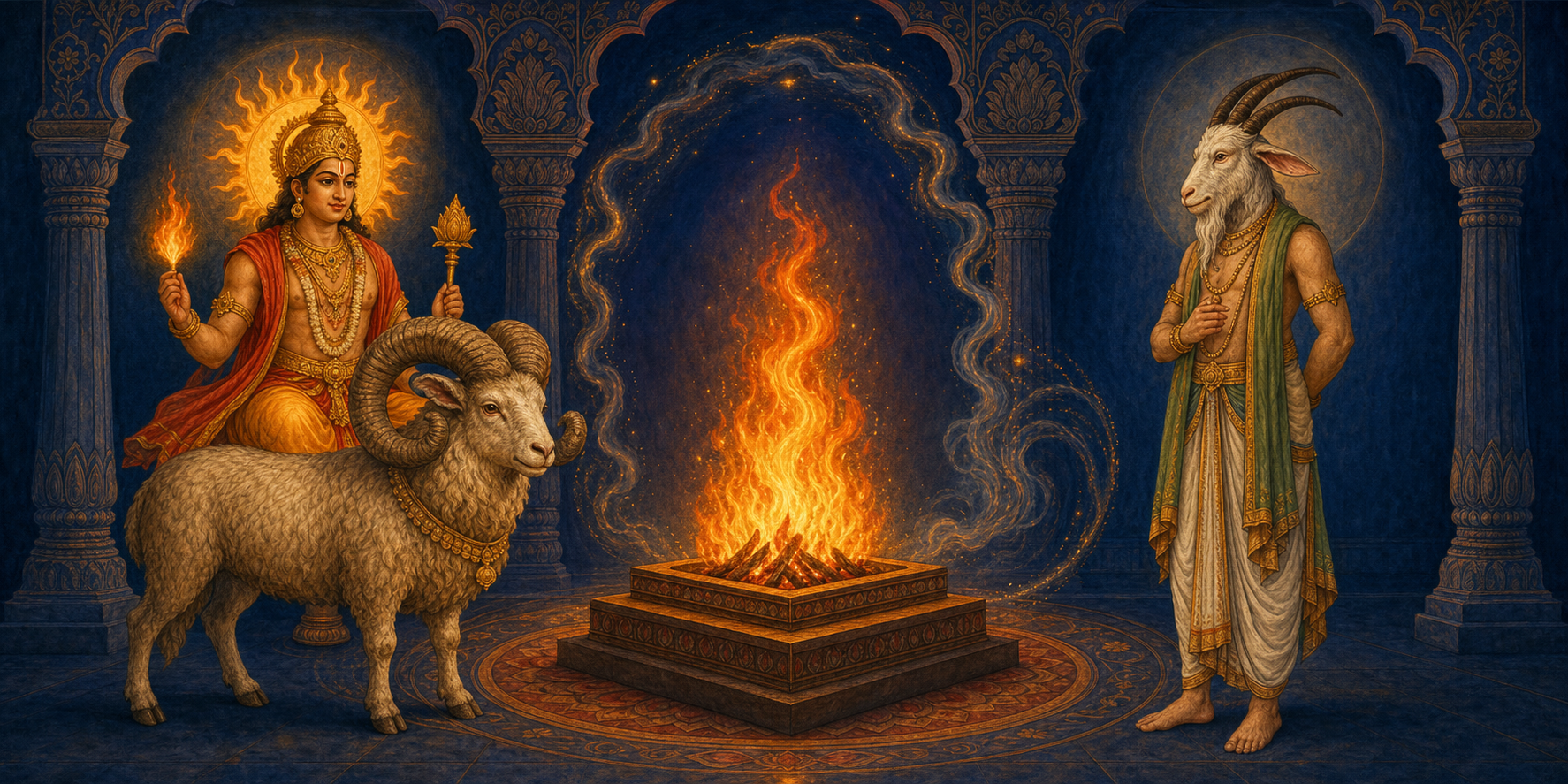
Goat and Ram Symbolism in Hindu Tradition: How to Read It
-
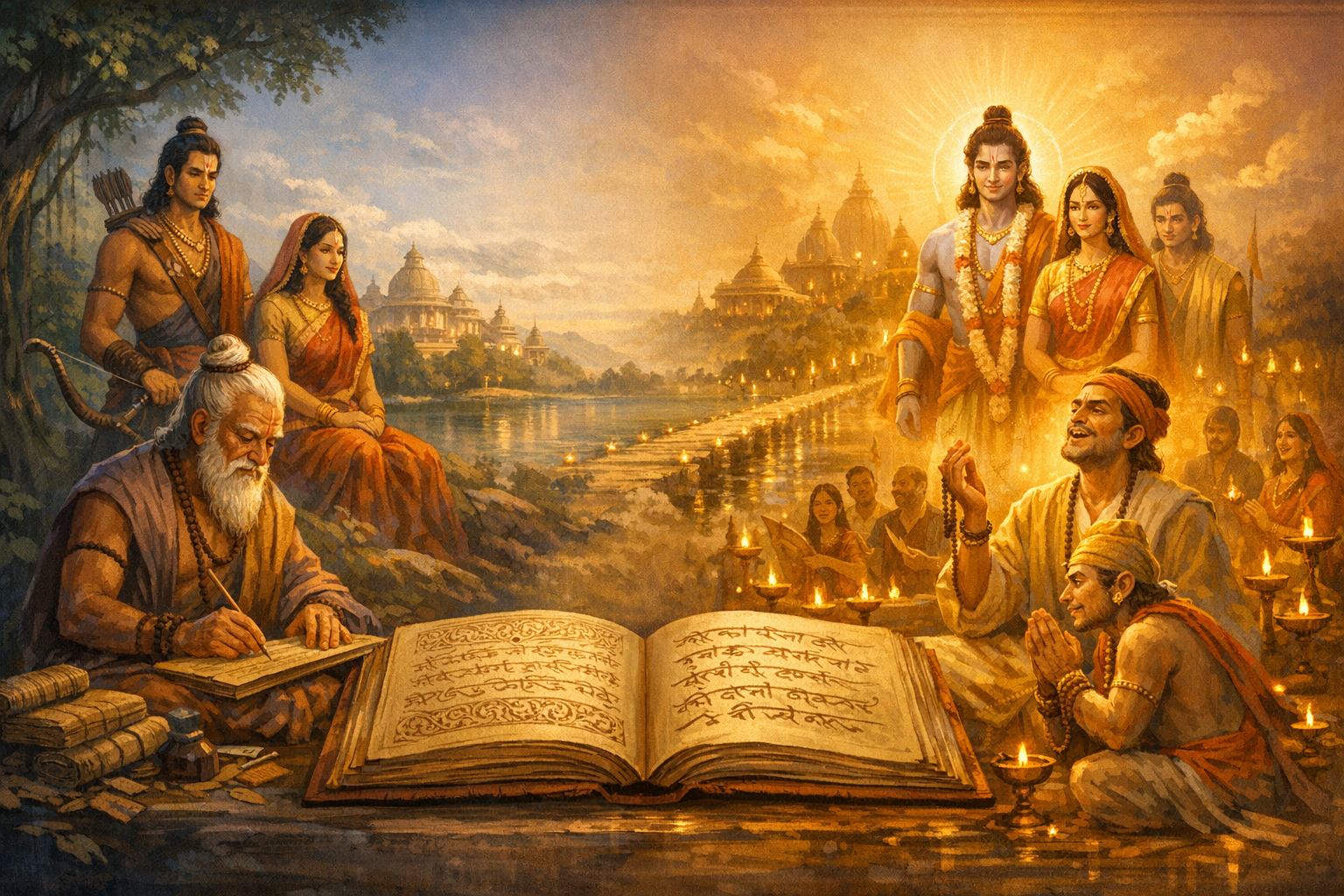
From Valmiki to Tulsidas: Rama’s Journey from Human Ideal to Supreme DivineExplained
-
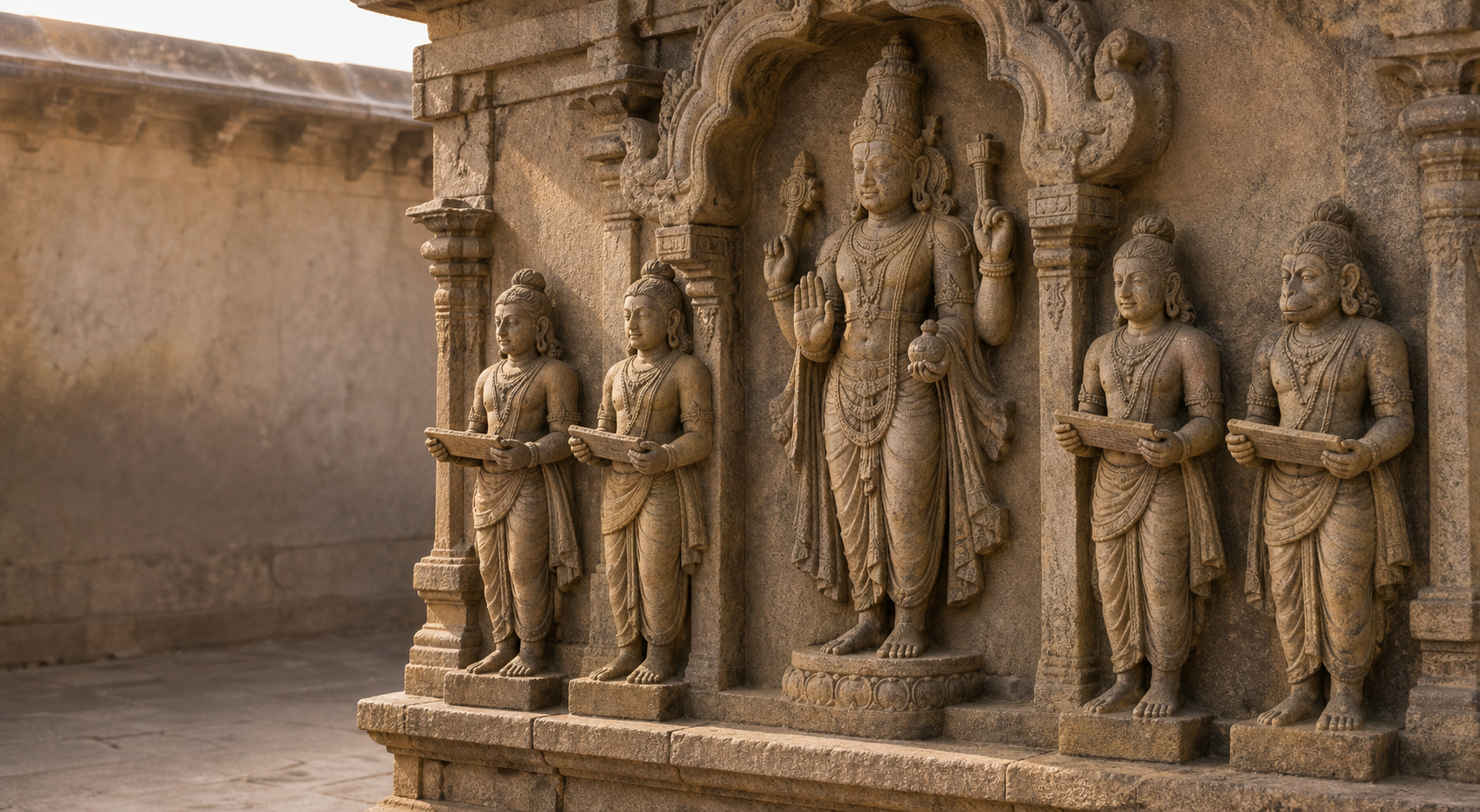
How to Read the Atharva Veda’s Monkey-Faced Temple Form
-

Sacred Sound in the Sama Veda: A Guide to Mantra Practice
-

Moral Remembrance as a Vedantic Discipline for Moksha
-

Vedic Cosmology and Interplanetary Travel: A Practical Guide
-

Mastering Desire Through Dharmic Ethics and Daily Practice
-

Why Hindu Sacred Images Can Look Incomplete Yet Be Whole
-
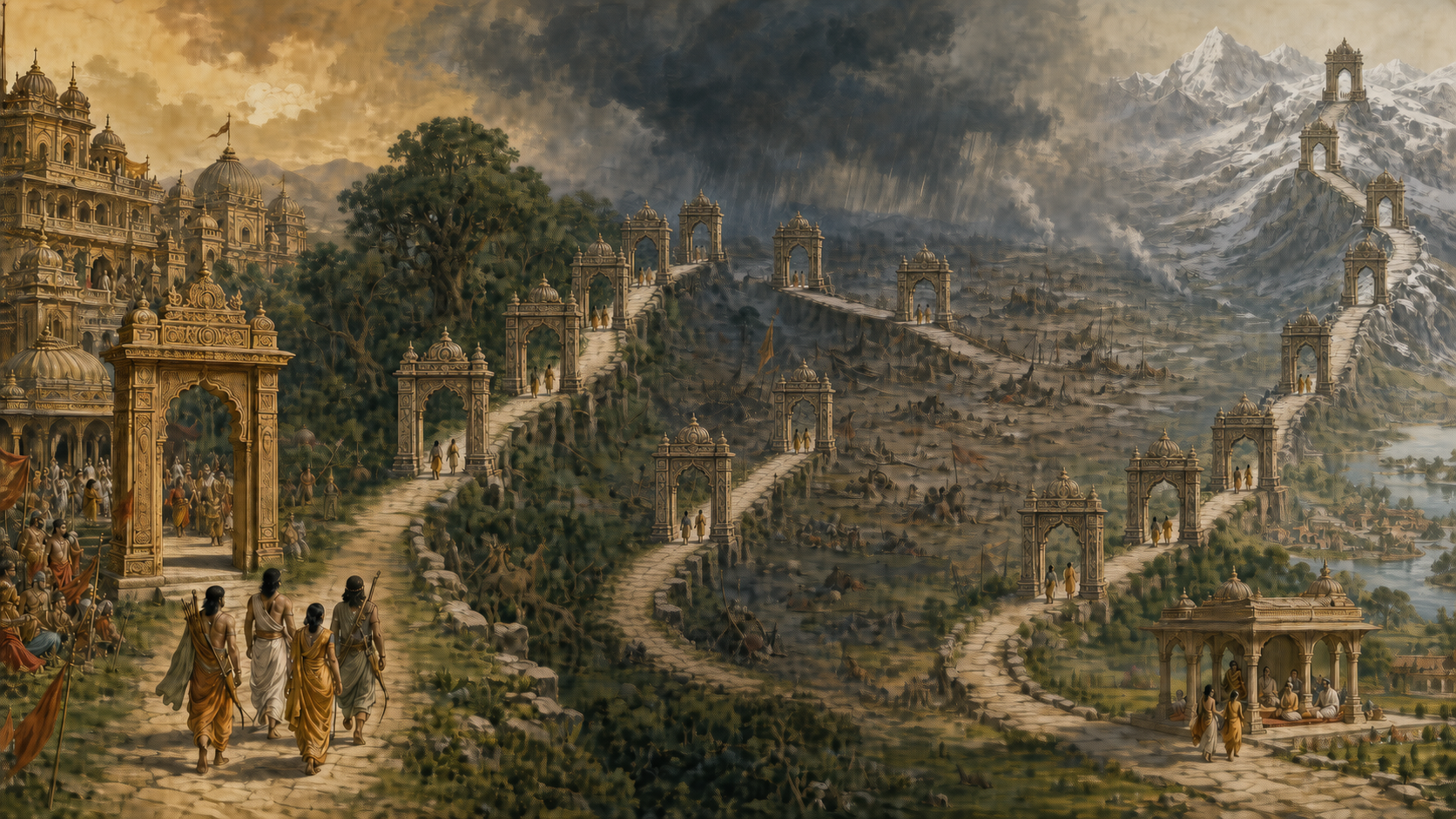
Why the Mahabharata Has Eighteen Parvas: A Map of Dharma
-

Atharva Veda in Daily Life: A Responsible Practice Guide
-
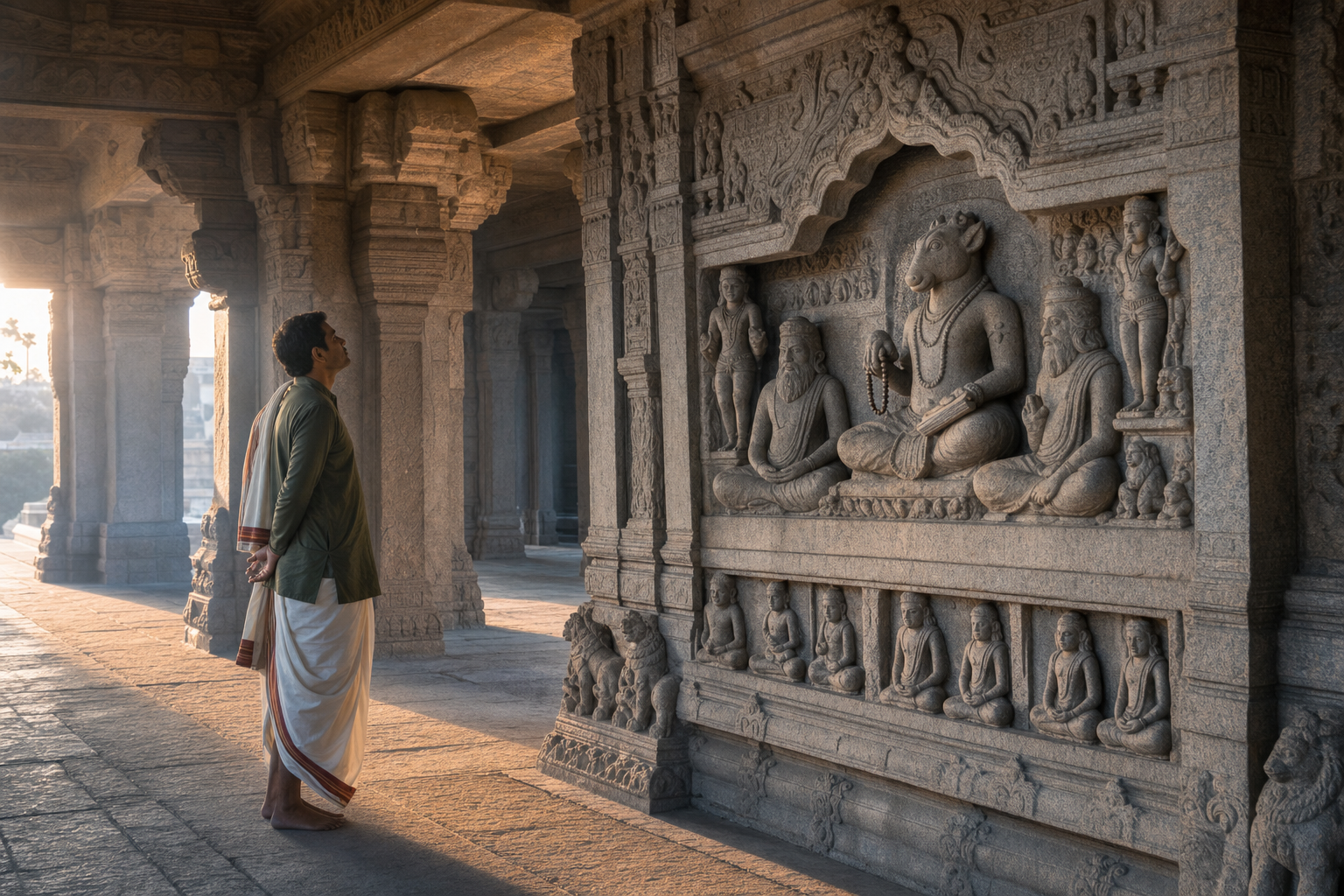
How to Read Vedic Personifications in Agamic Temple Art
-
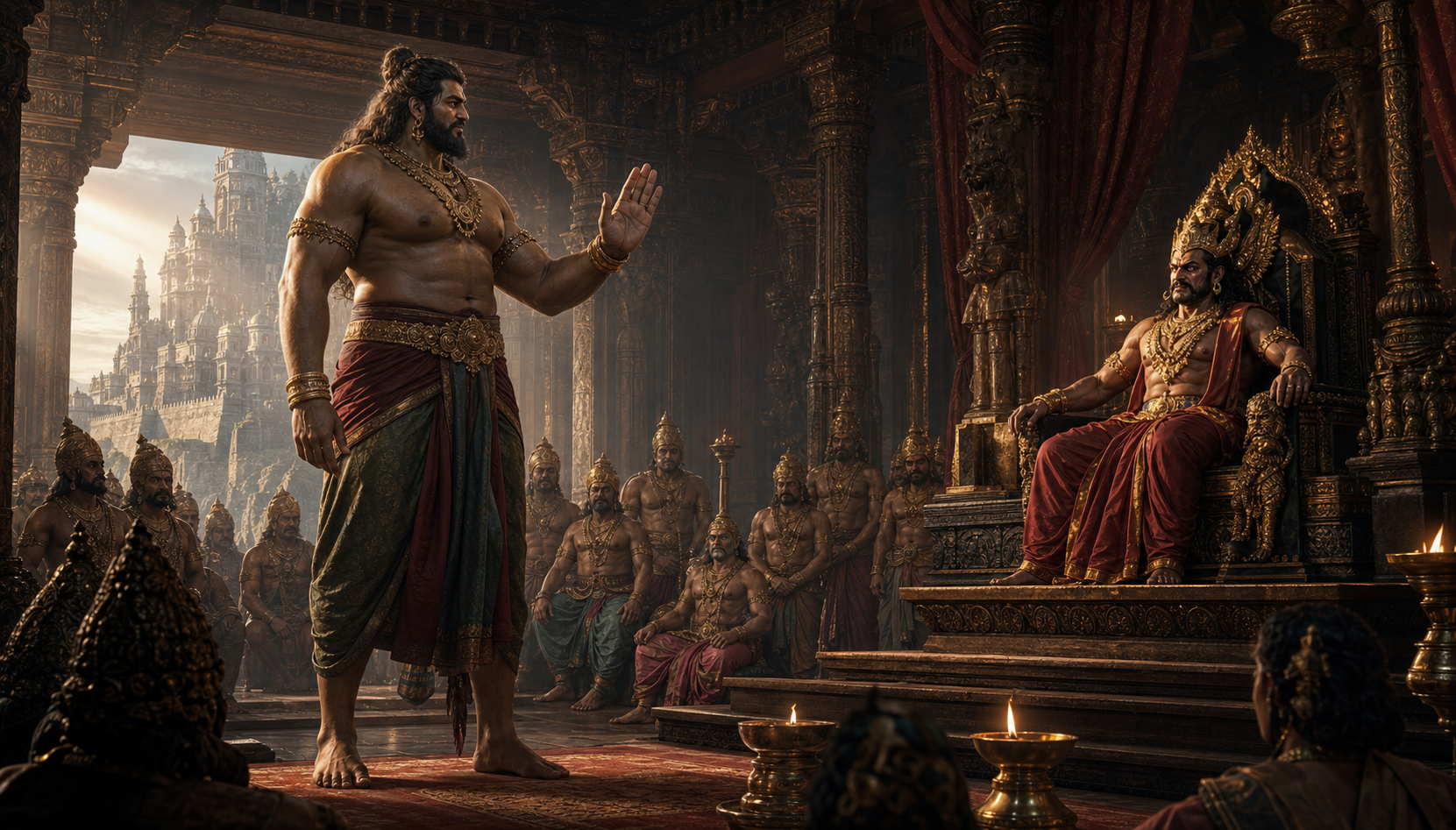
Kumbhakarna’s Counsel: Restraint at the Core of Rajadharma
-
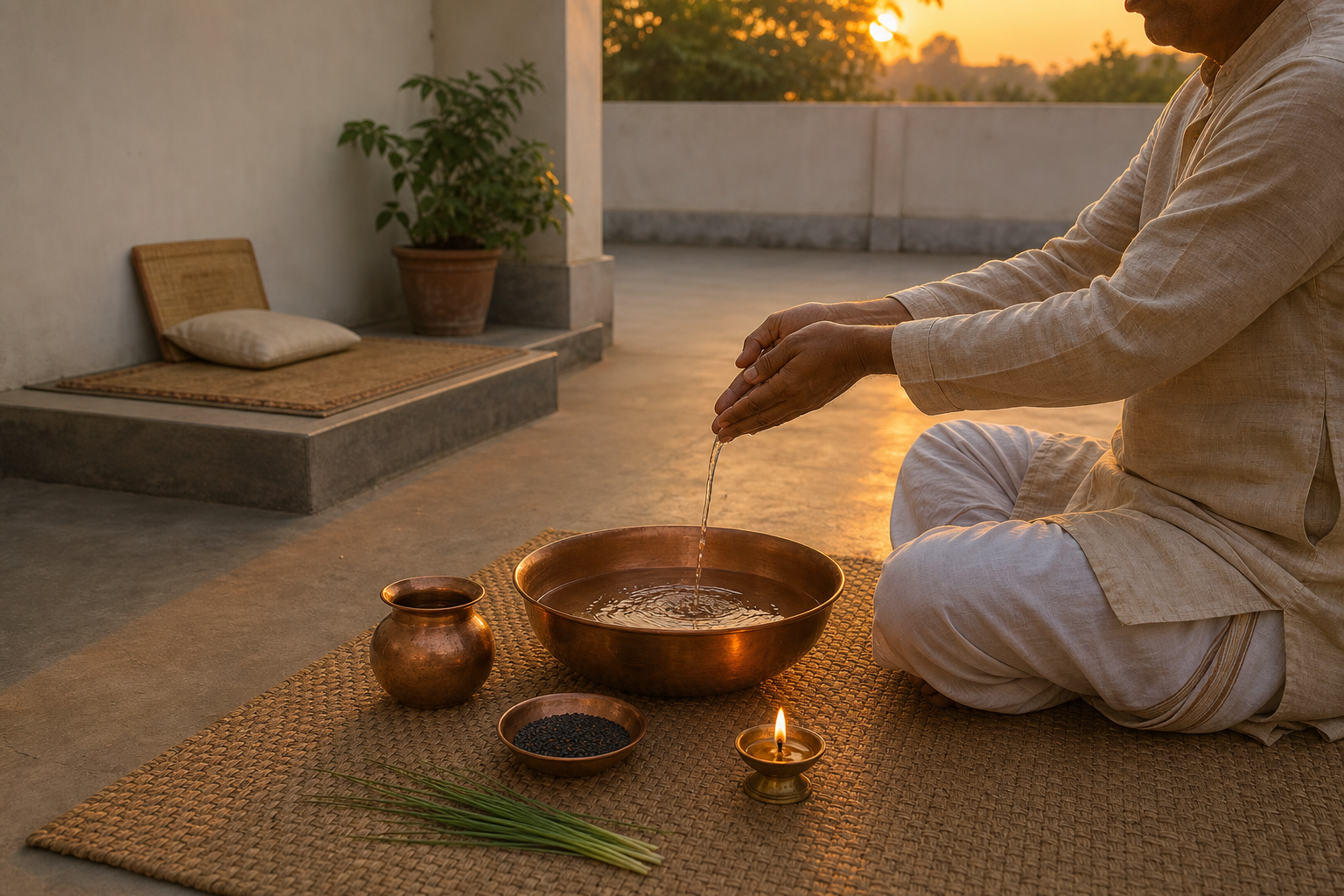
Hindu Tarpan for Ancestors: A Careful Home Practice
-
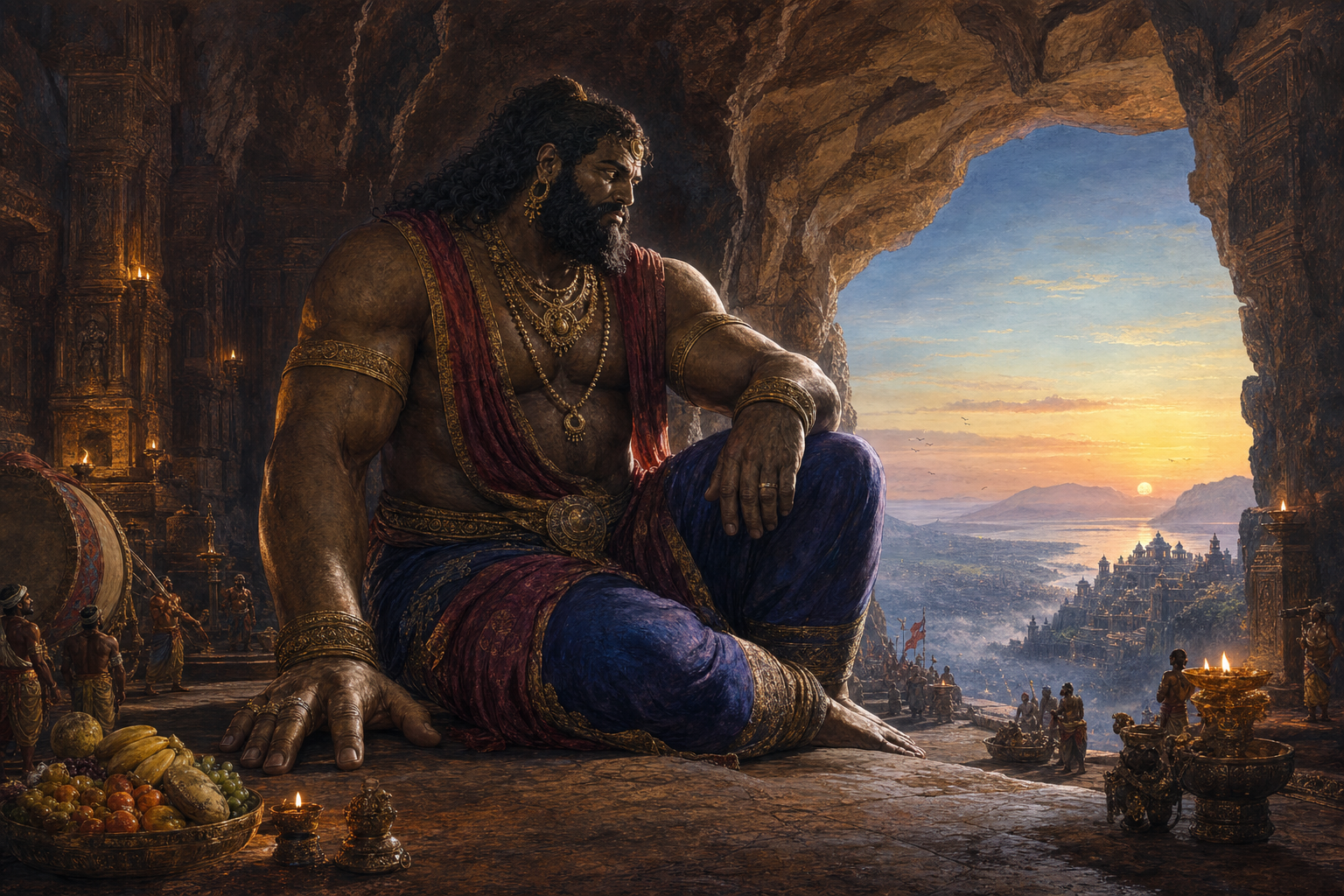
Kumbhakarna and the Discipline of Acting at the Right Time
-
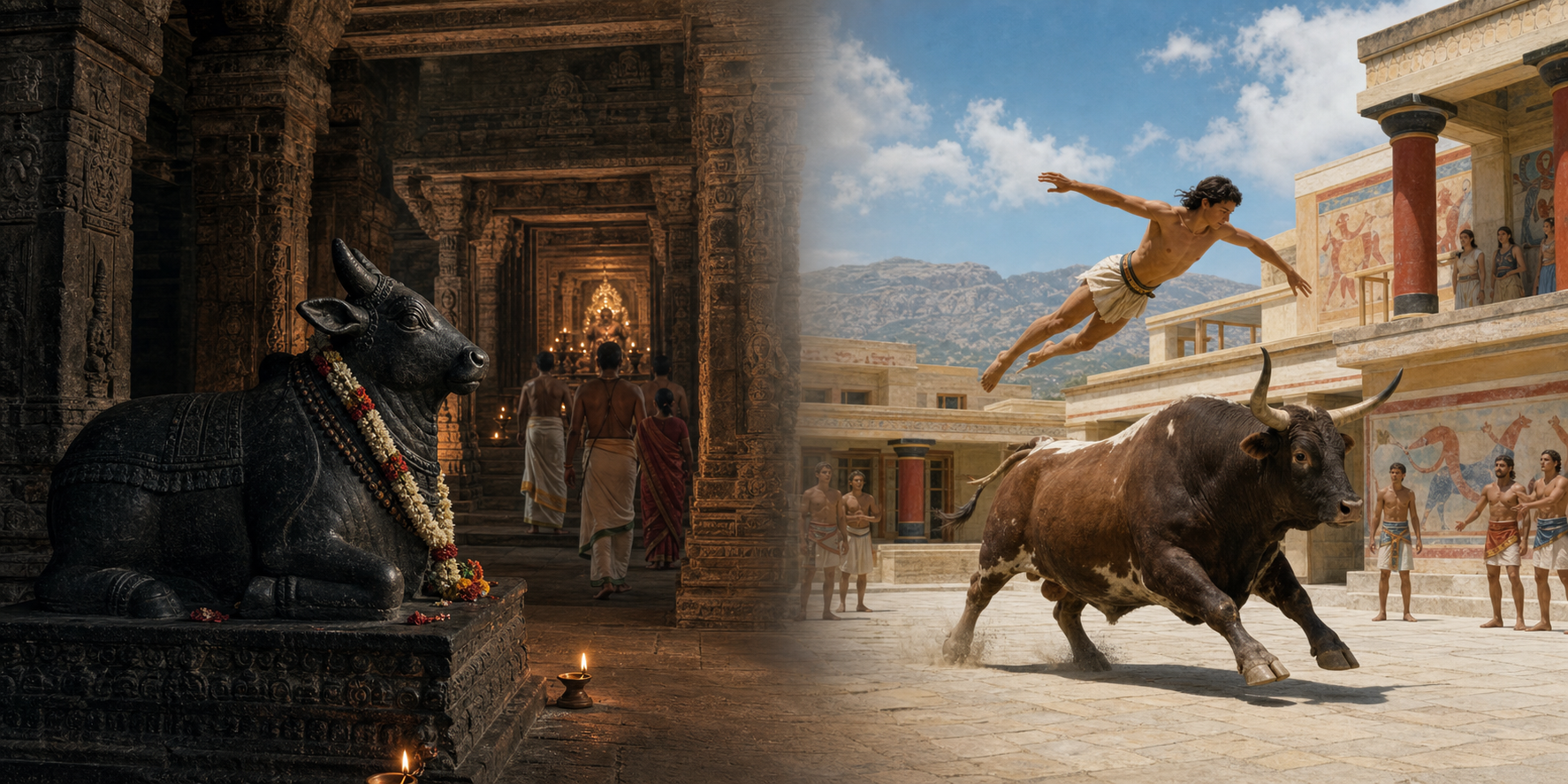
Nandi and Minoan Crete: Comparing Sacred Bull Traditions
-
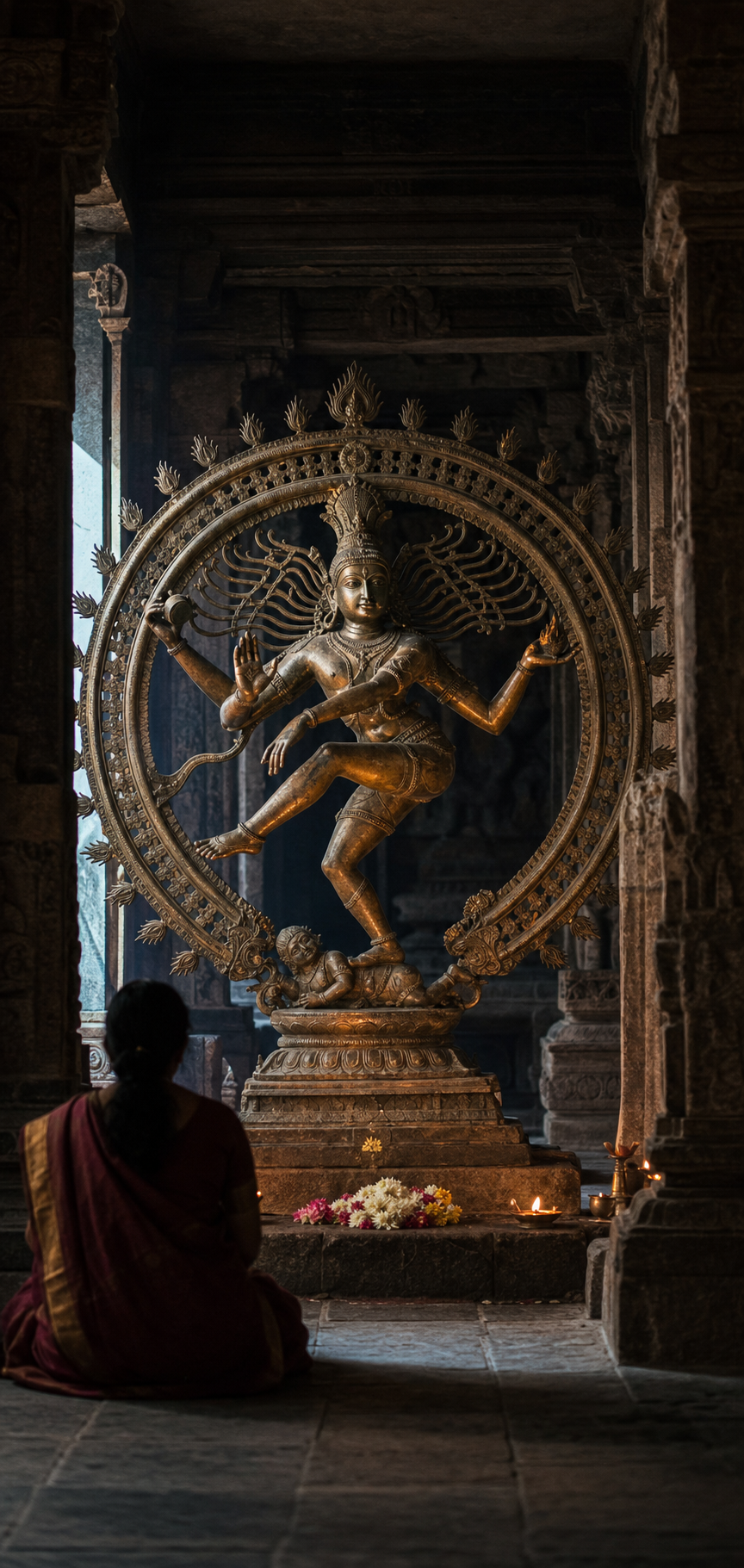
Sacred Aesthetics: How to Read Living Dharmic Sculpture
-

Kumbhakarna’s Sleep as Restraint and Strategic Weakness
-

Vedic Nakshatra Astronomy: A Practical Skywatcher’s Guide
-
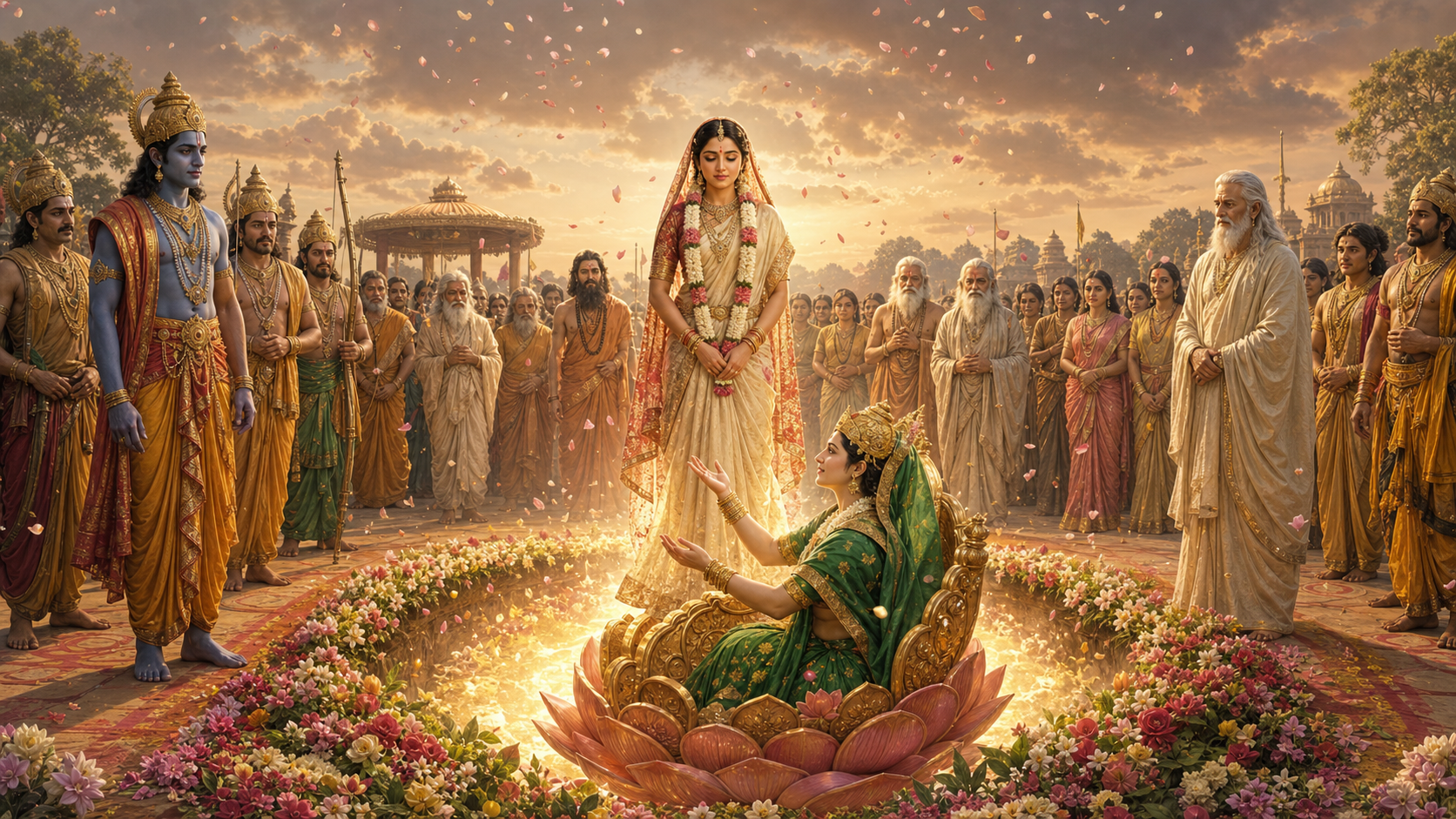
Why Sita Returns to the Earth at the End of the Ramayana
-

How the Ramayana Judges War, Kingship, and Moral Duty
-
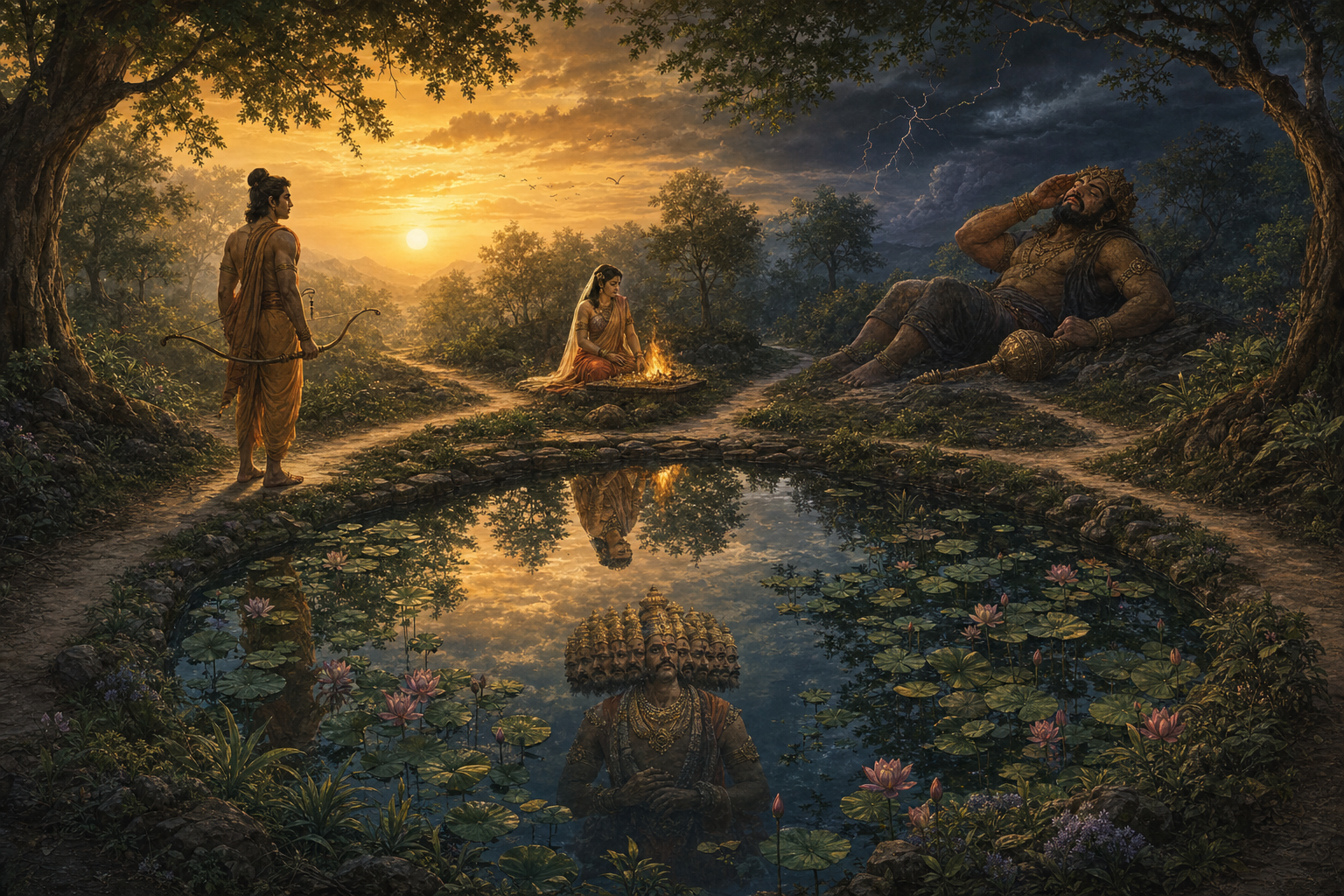
Ramayana Ethics and the Psychology of Difficult Choices