
Tag: Ancient Hindu Texts
-
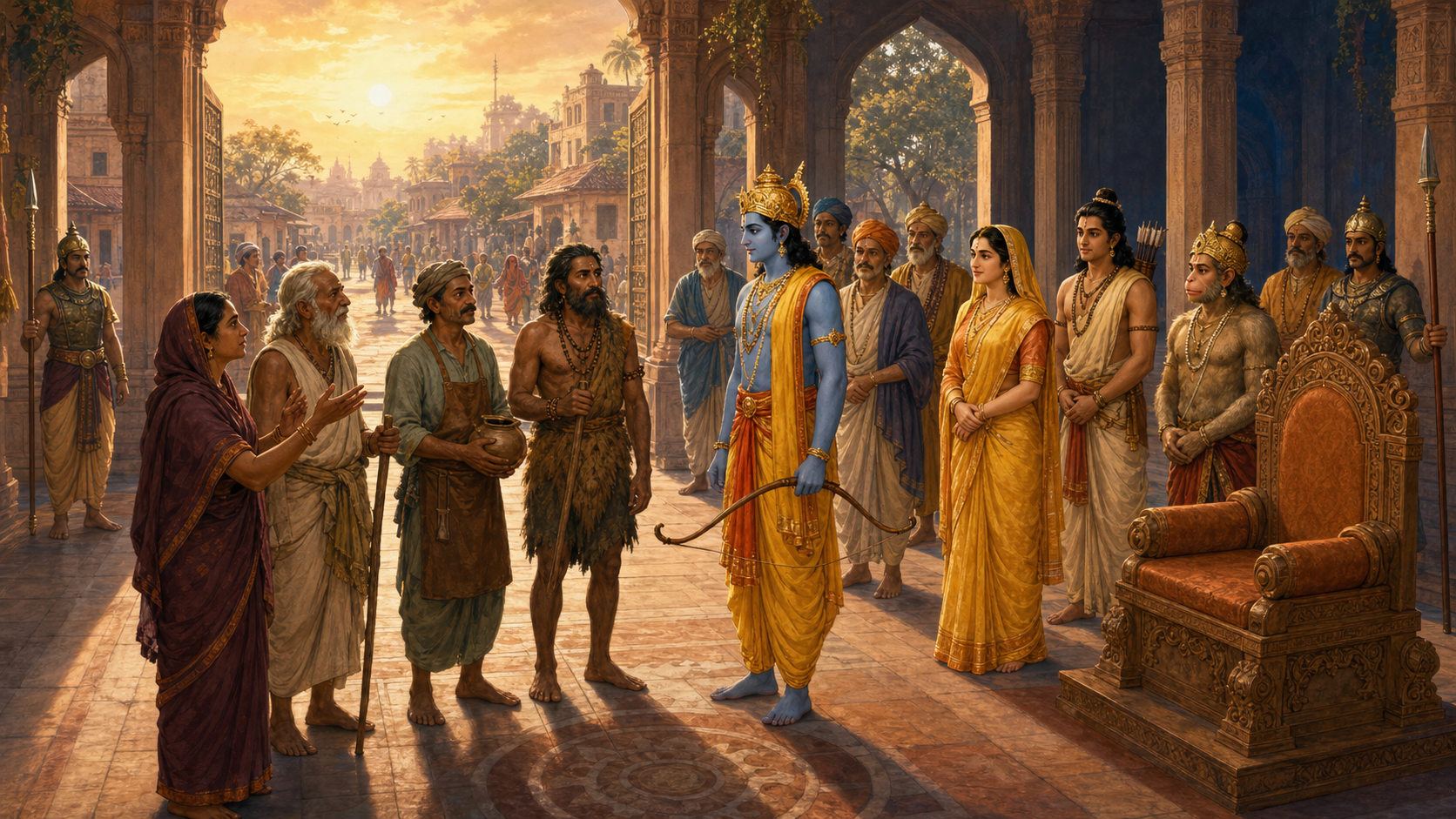
How the Ramayana Defines Dharmic Power and Good Governance
-
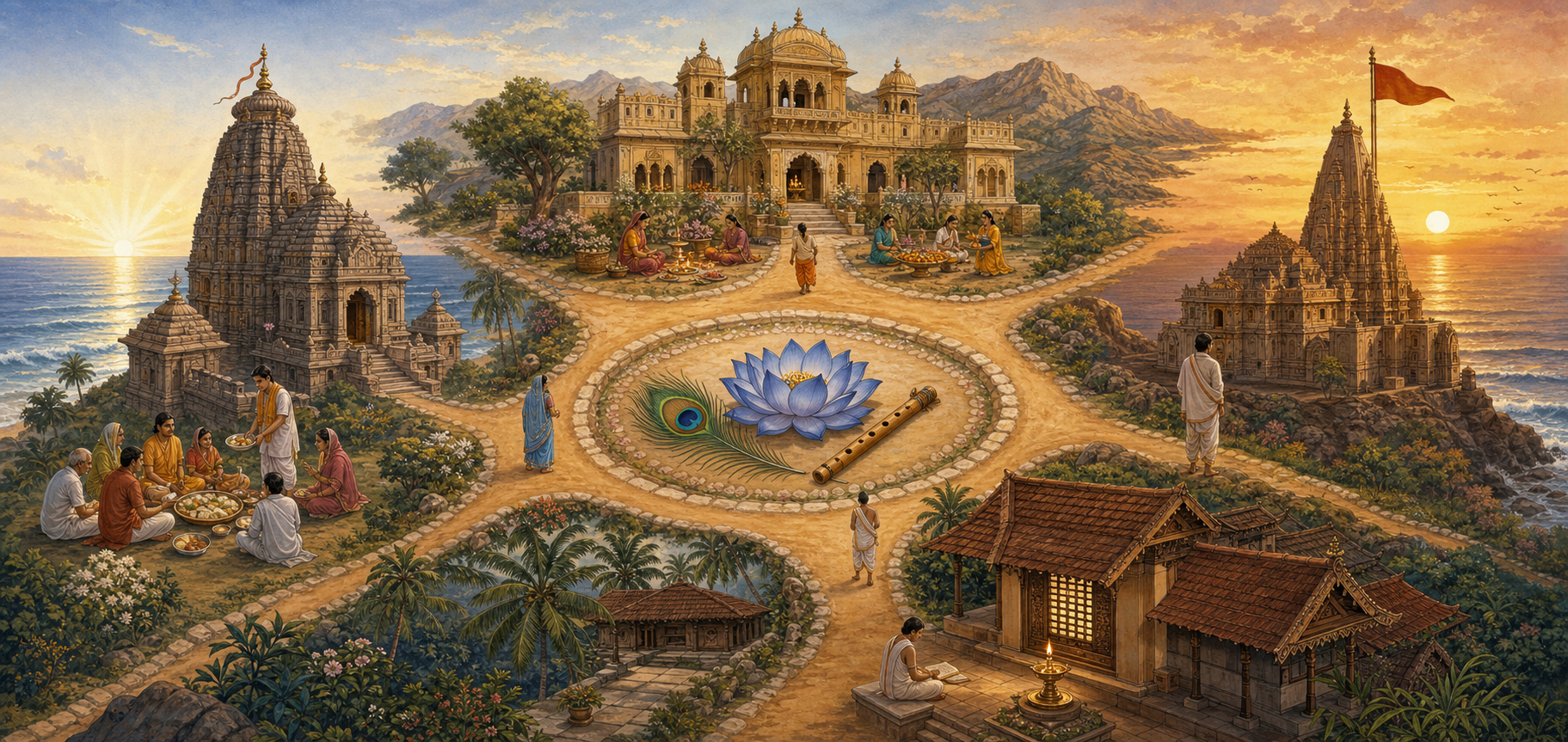
Krishna’s Sacred Geography: A Four-Direction Pilgrim Map
-
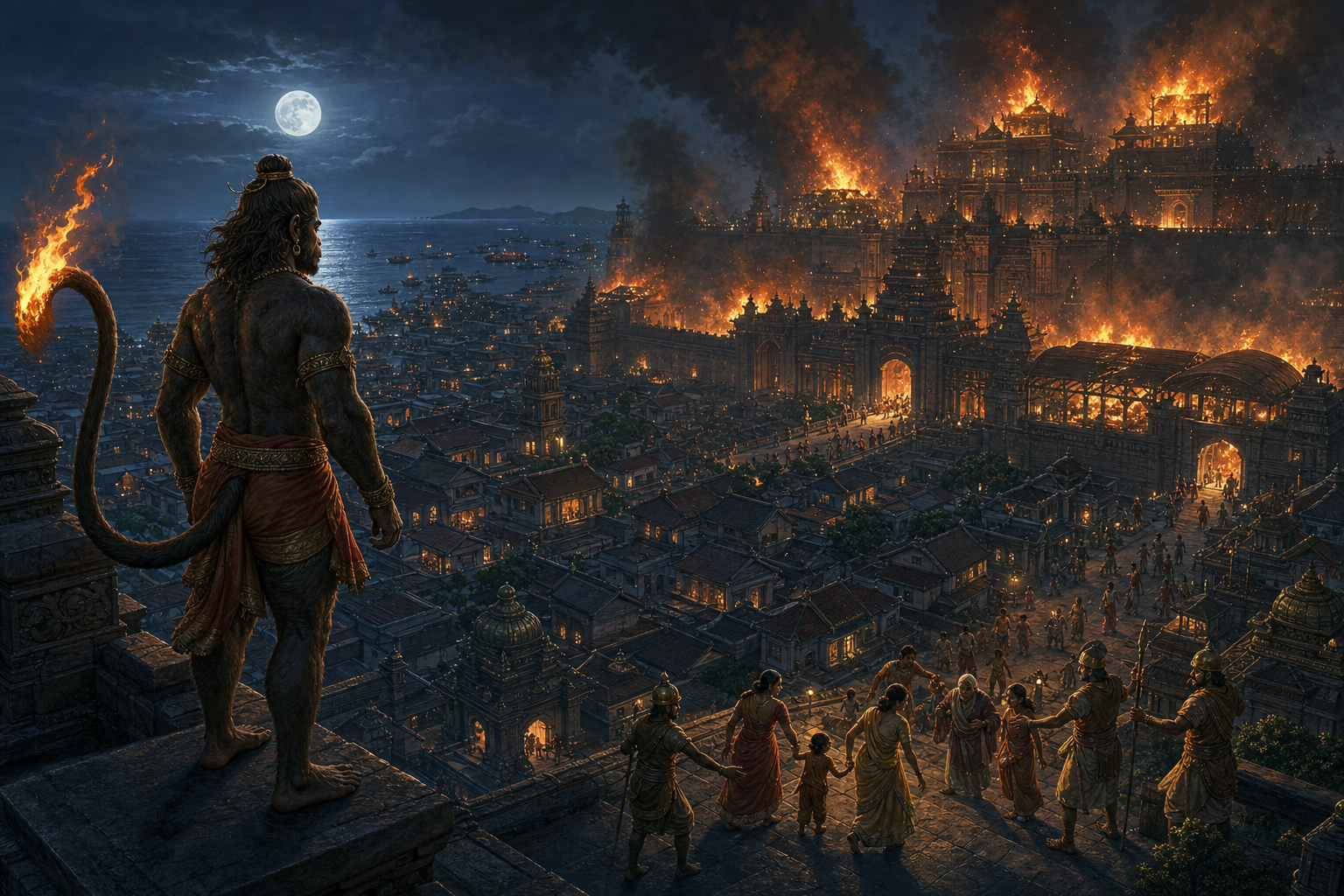
The Burning of Lanka: Civilian Harm and Dharmayuddha
-
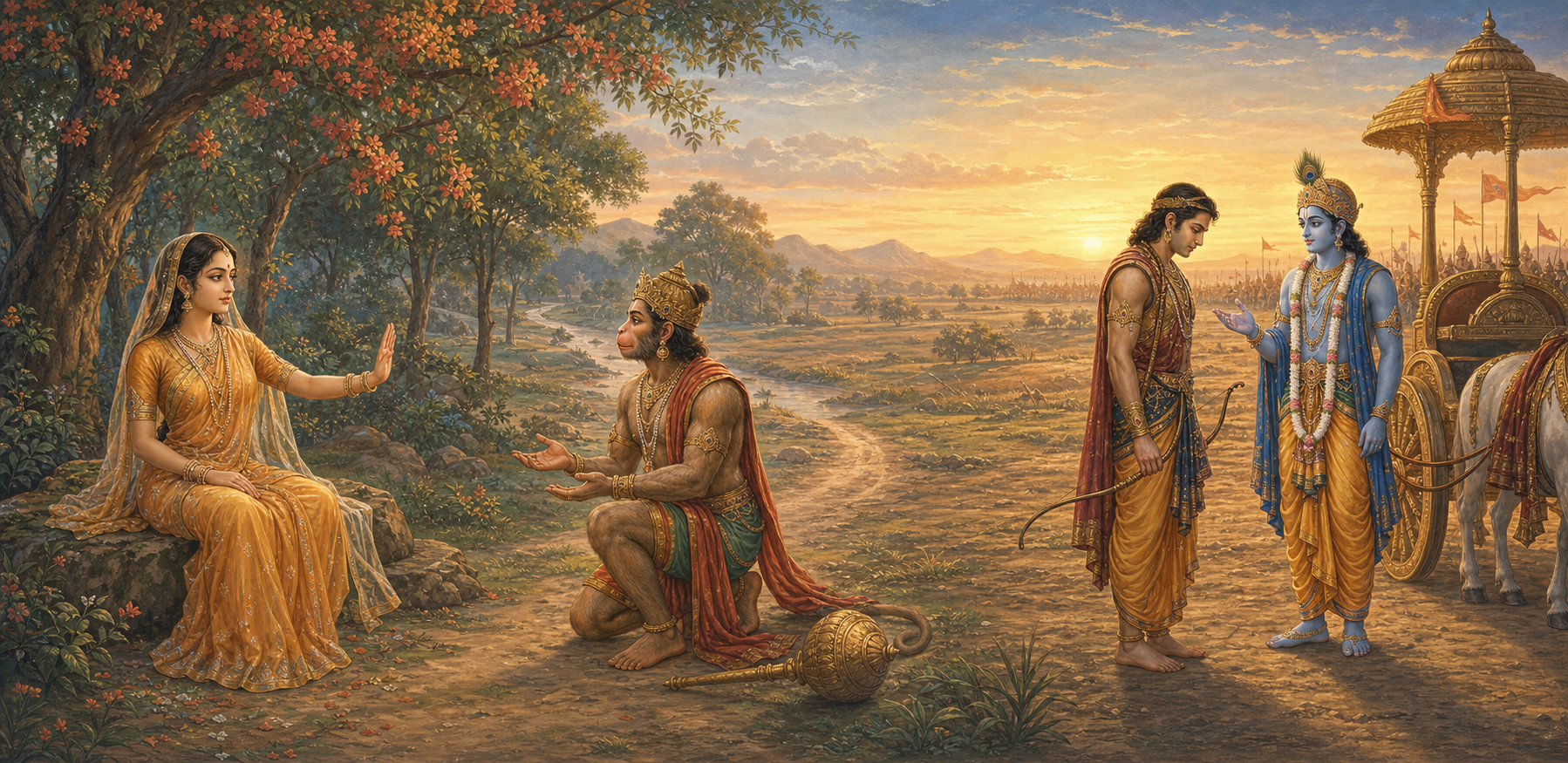
When Duty Meets Consent: Moral Agency in the Hindu Epics
-

Vedic and Upanishadic Renunciation for the Modern Seeker
-
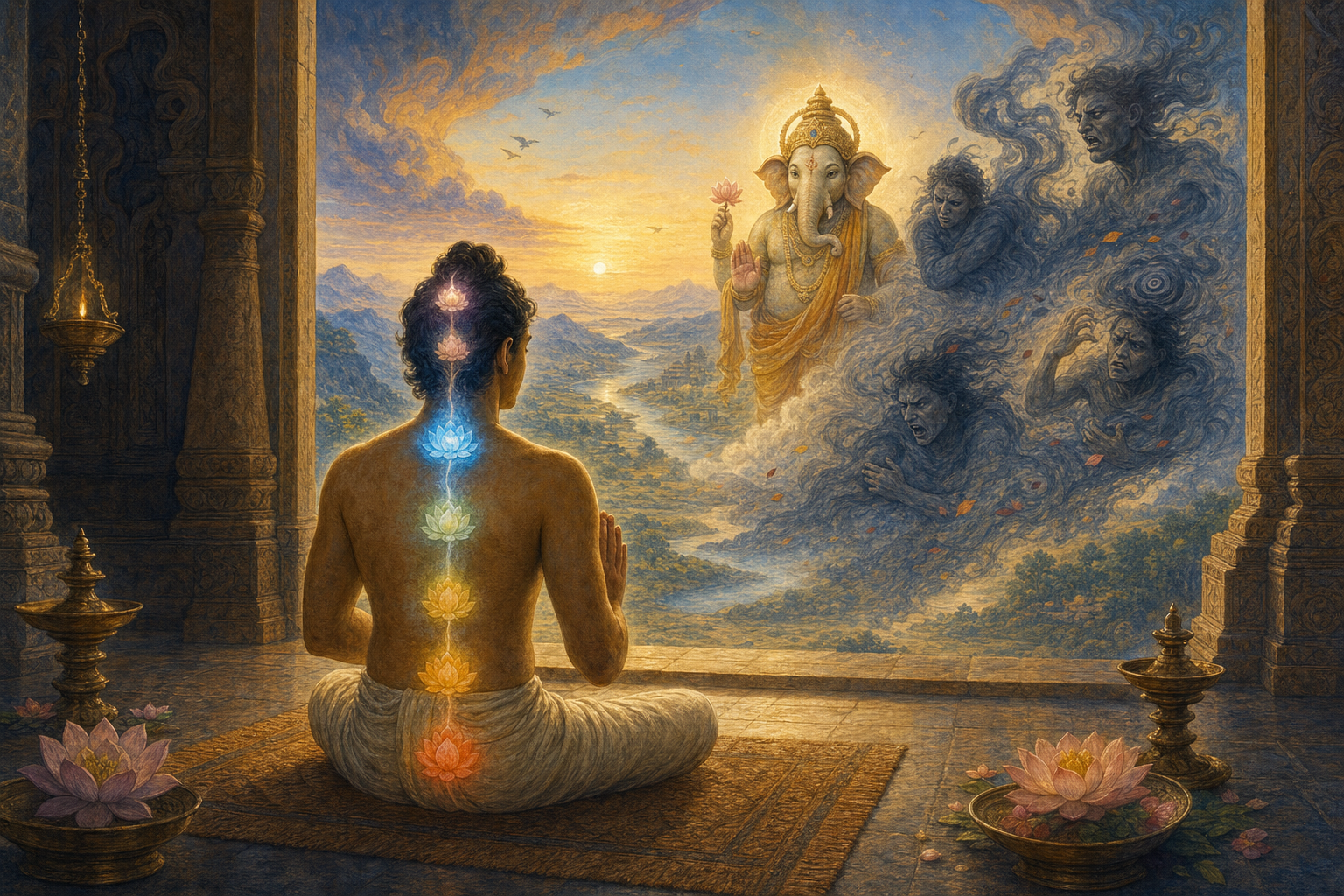
How Puranic and Tantric Maps Guide Inner Transformation
-
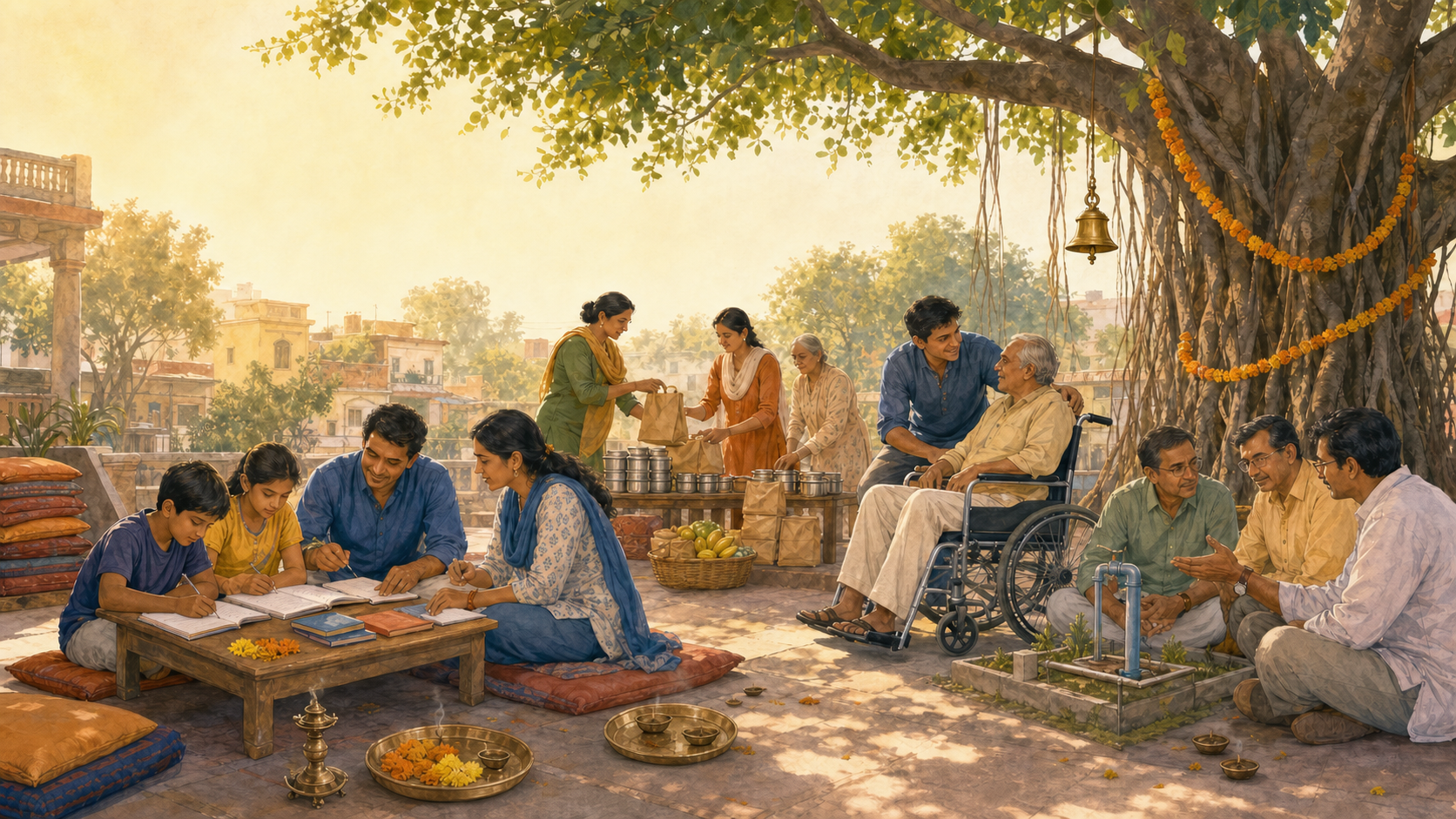
Dharmic Unity That Works: A Blueprint for Civic Flourishing
-
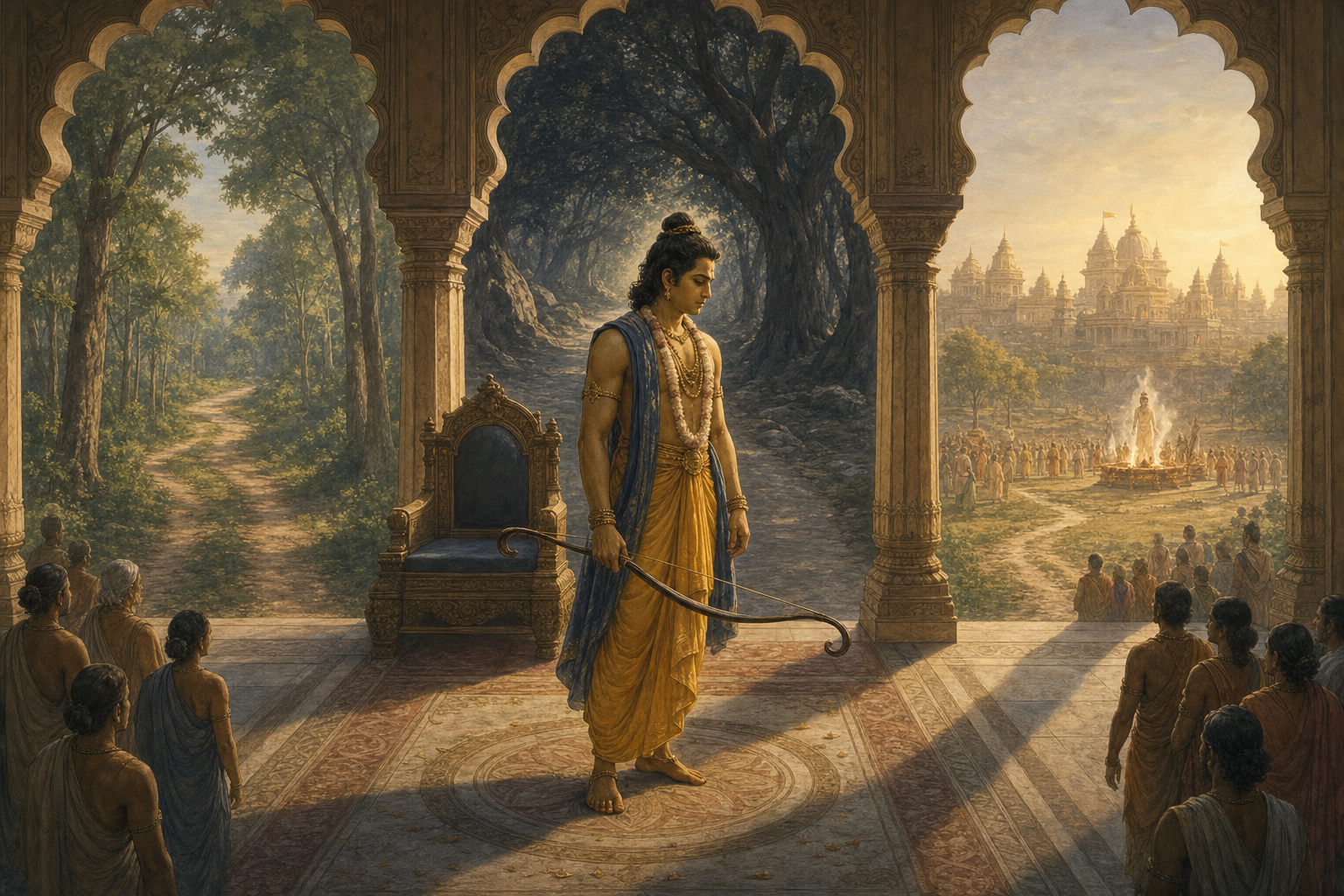
How to Read Sri Rama’s Most Contested Dharmic Choices
-
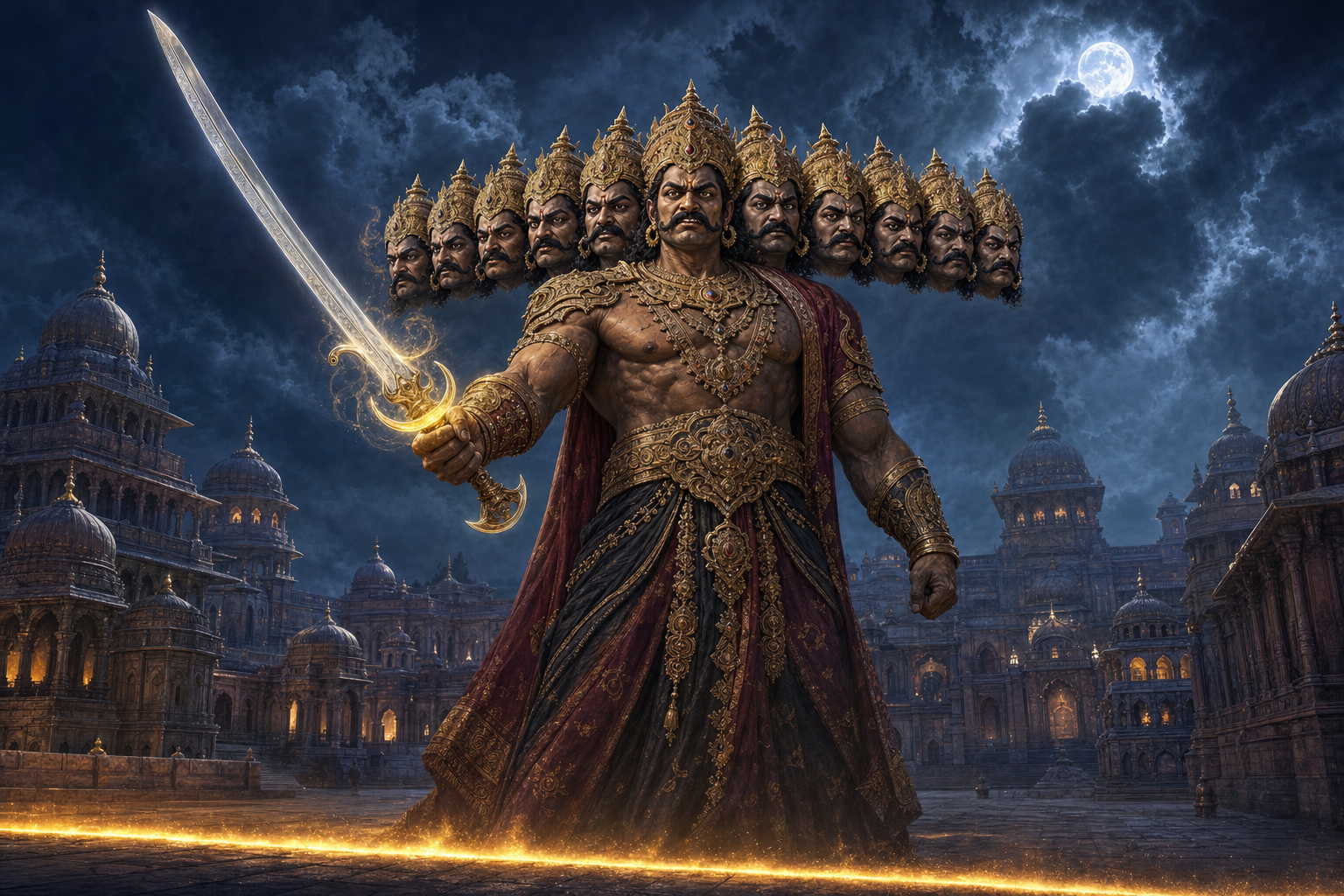
Ravana’s Chandrahasa: When Divine Weapons Answer to Dharma
-
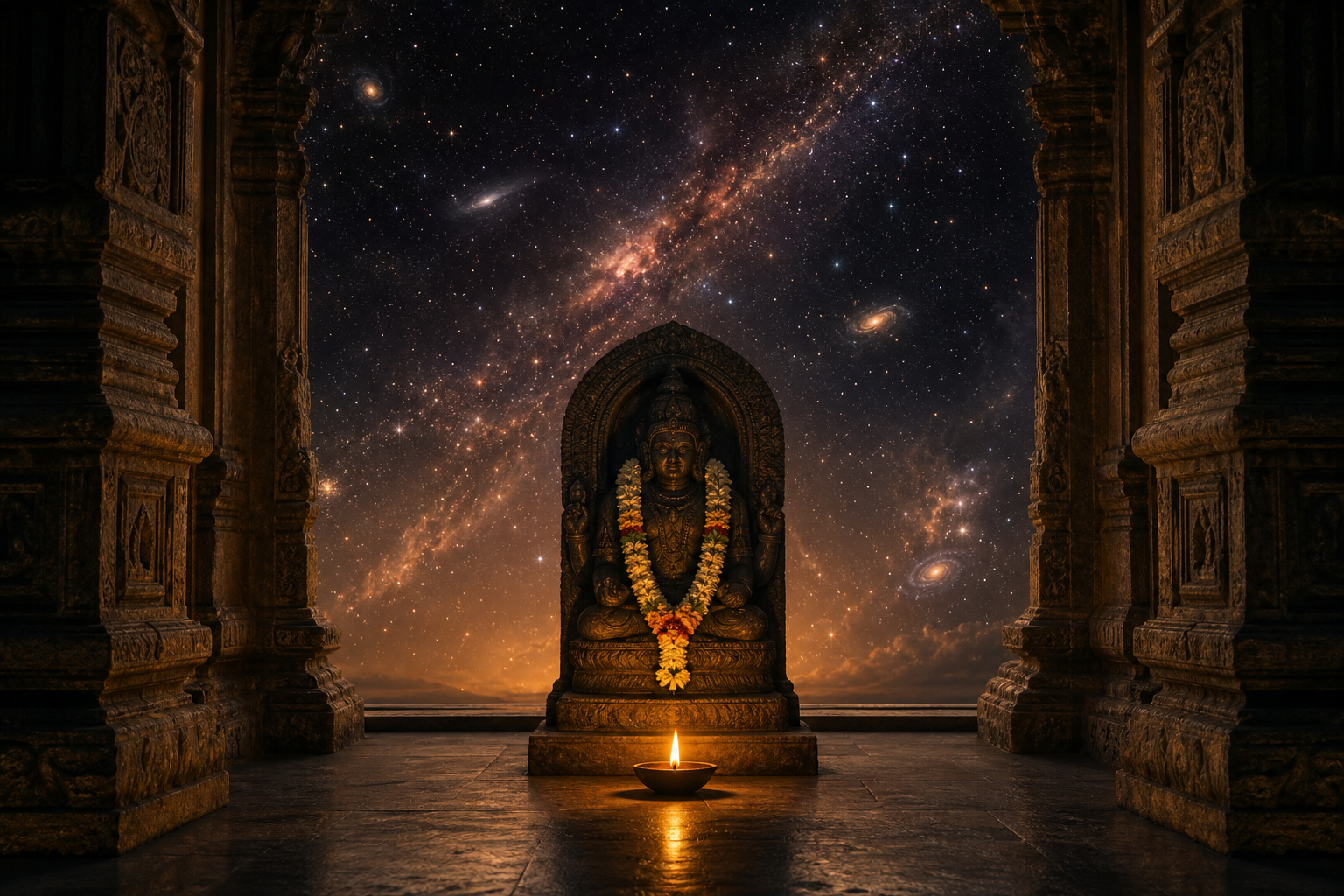
Why the Cosmic Person Can Be Worshipped in Sacred Form
-
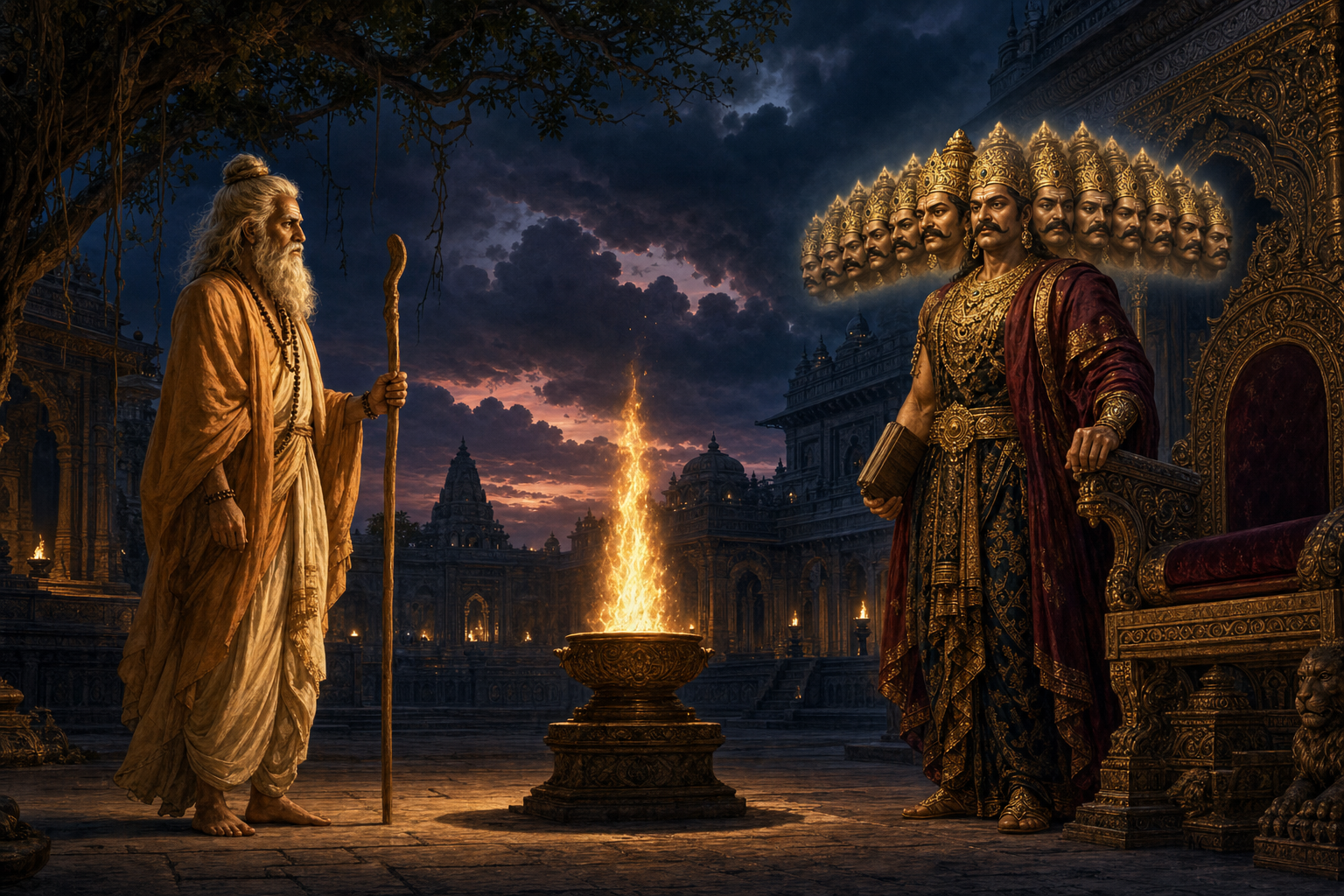
Did Vasishta Curse Ravana? A Ramayana Lesson in Humility
-
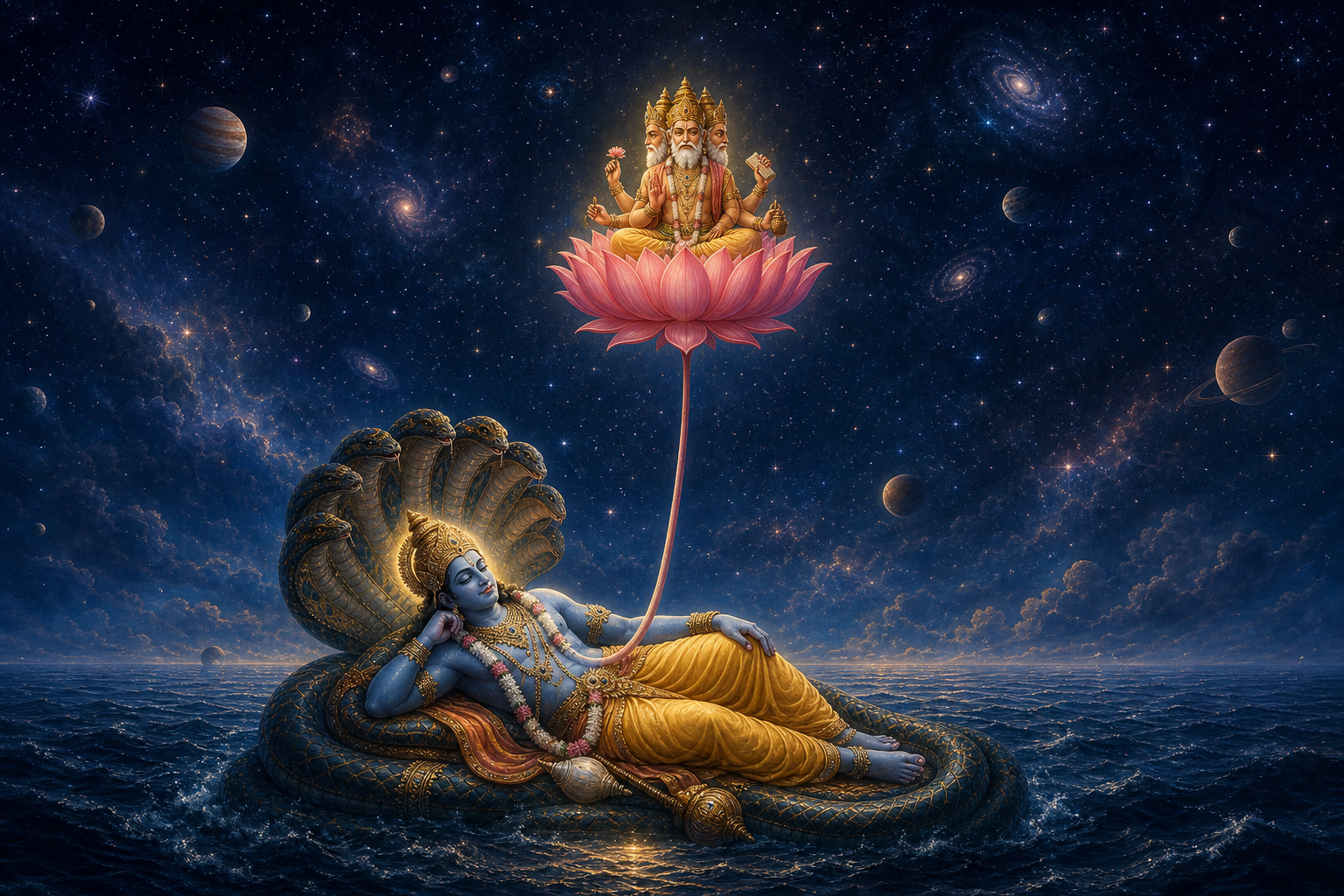
How Hindu Creation Theology Turns Ego Into Humble Action
-
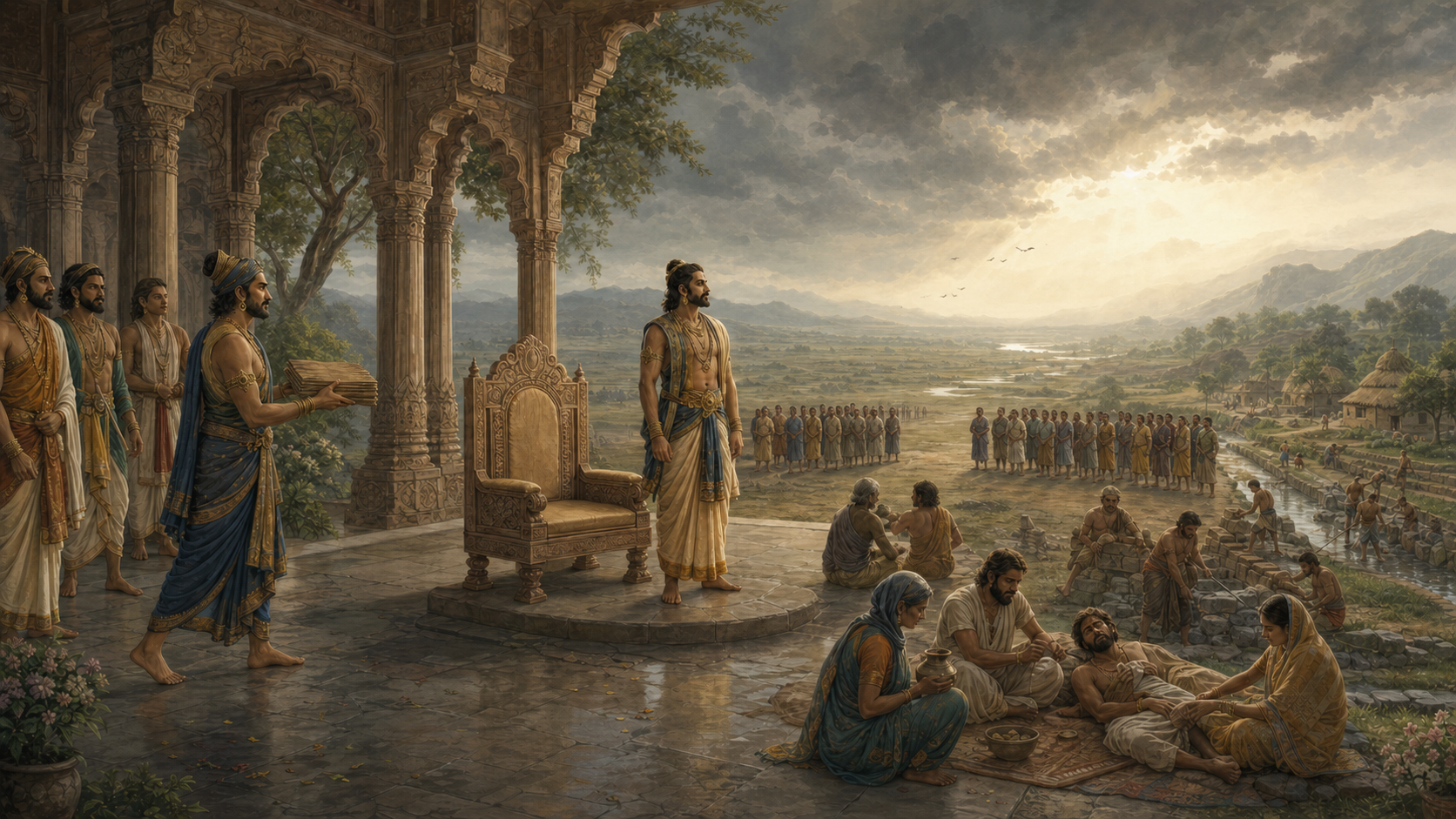
How the Ramayana and Mahabharata Test Power and War
-
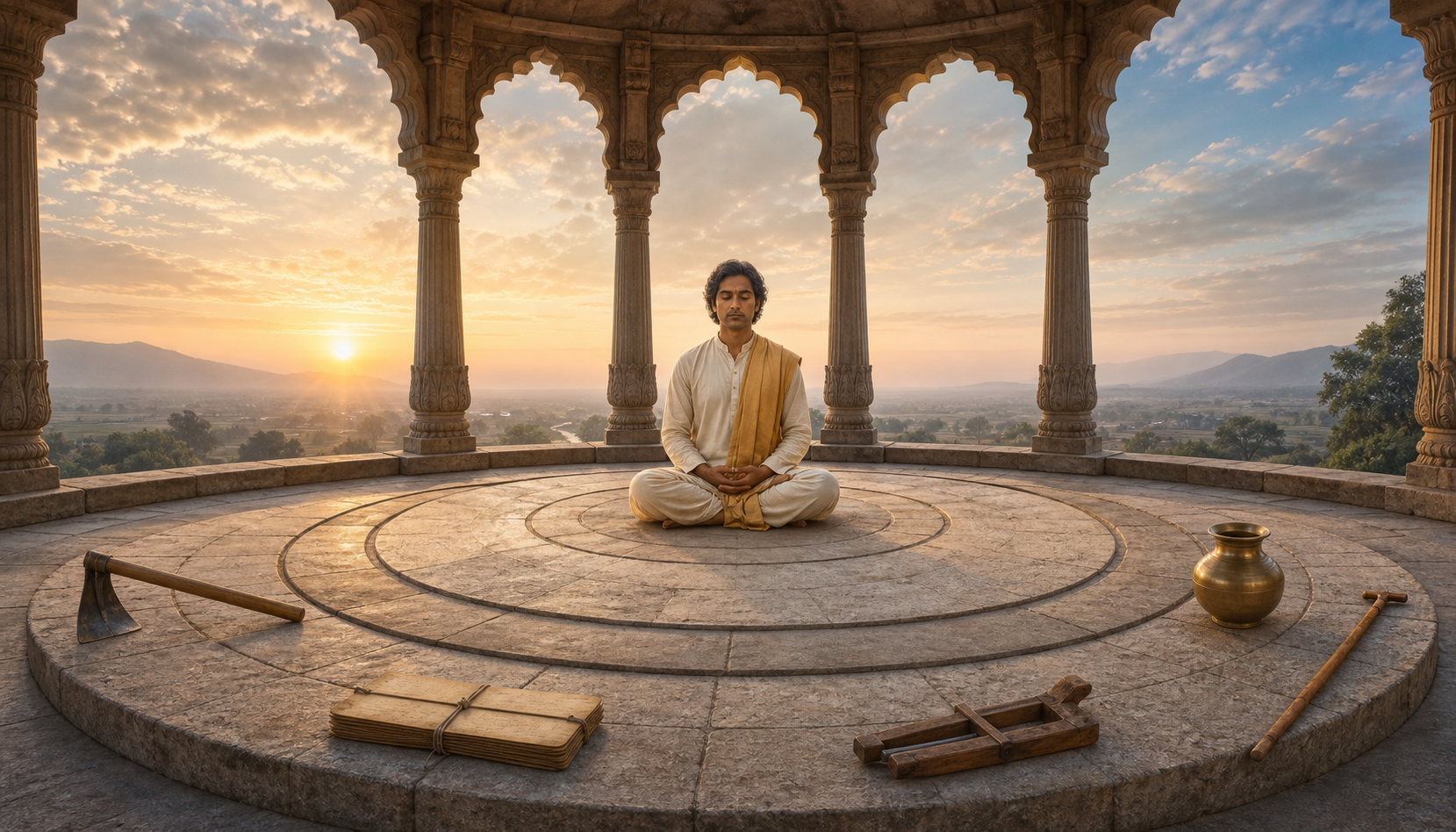
Ativarnashrami: Liberation Beyond Social Identity
-
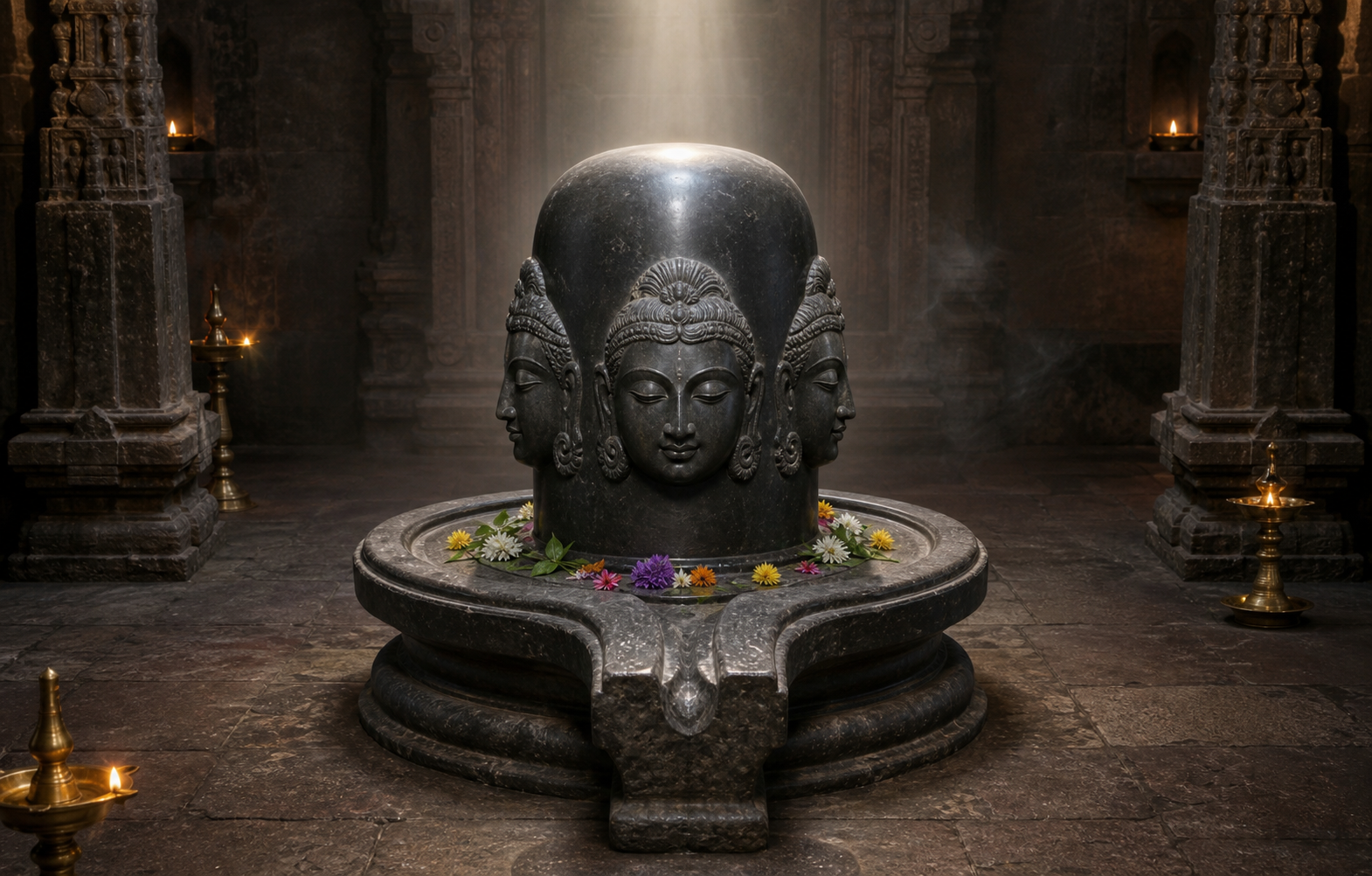
Why Ishana Is Sadashiva in Panchamukha Shaiva Theology
-
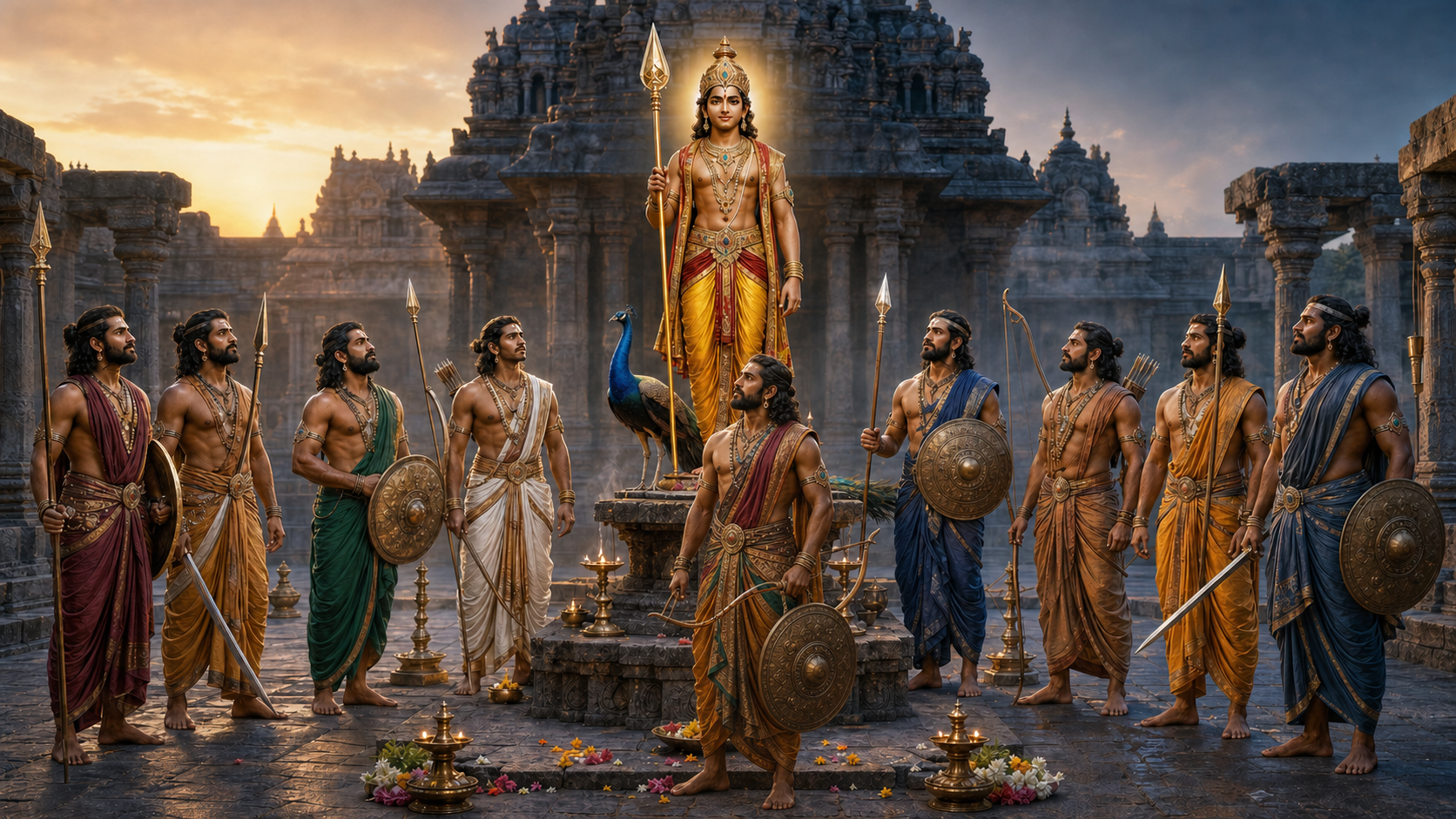
Nava Veeras of Muruga: Understanding the Nine Guardians
-
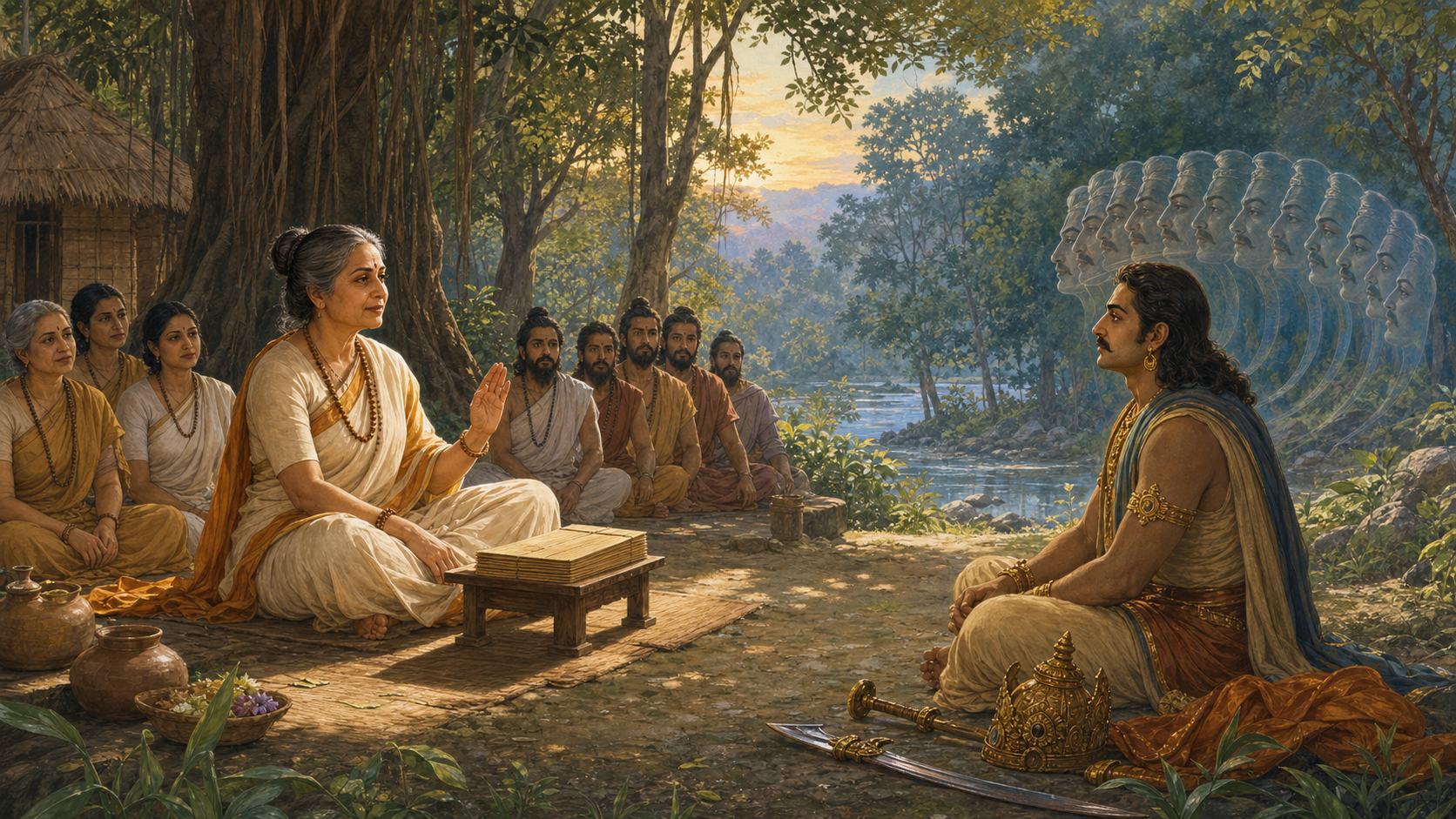
Anasuya and Ravana: Reading Women’s Vedic Authority
-
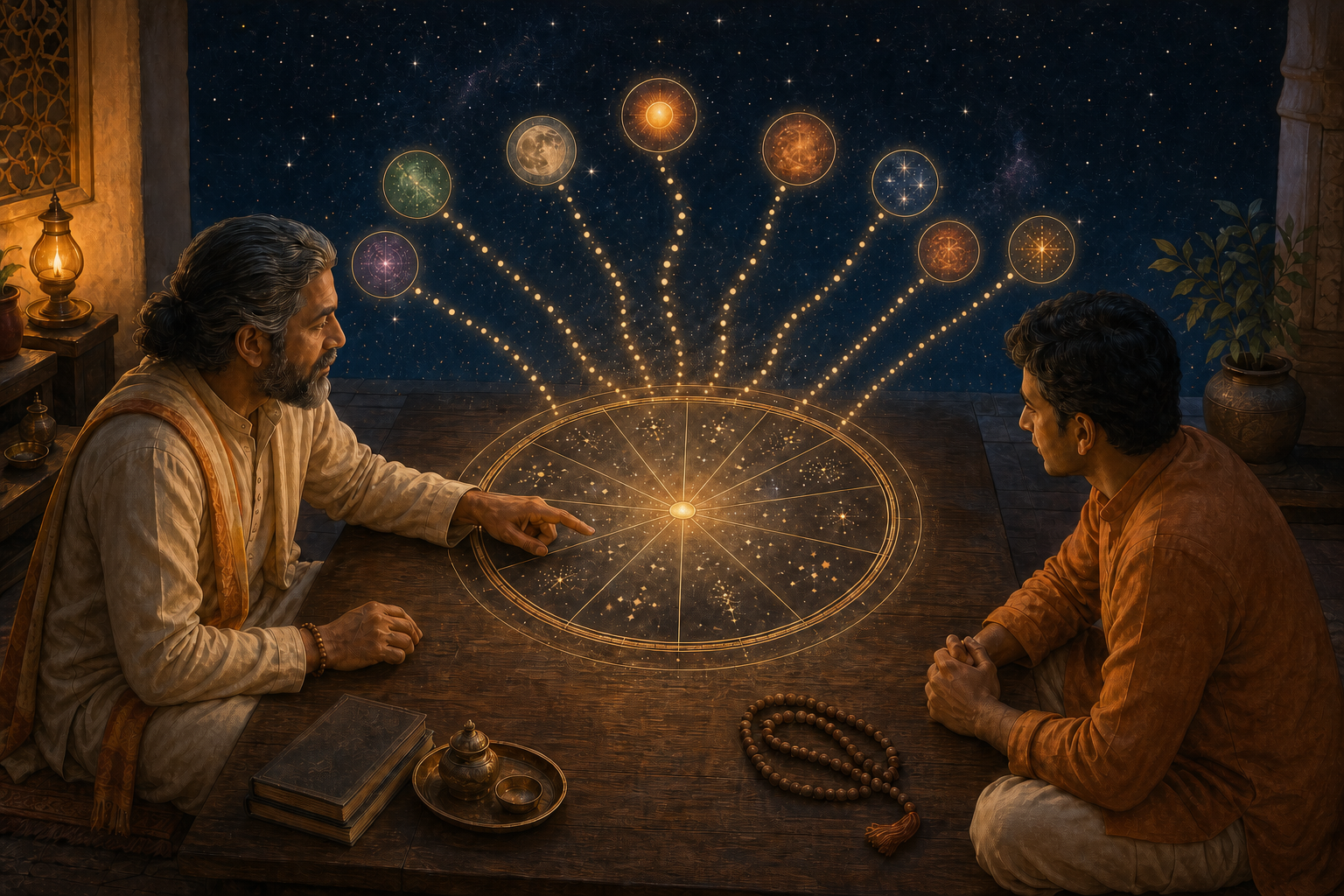
Hindu Astro-Numerology: How to Read Ashtakavarga
-

Why Rama and Lakshmana Bury Viradha in Aranya Kanda
-
Ravana’s Curses Across Ramayana Traditions: A Clear Guide
-
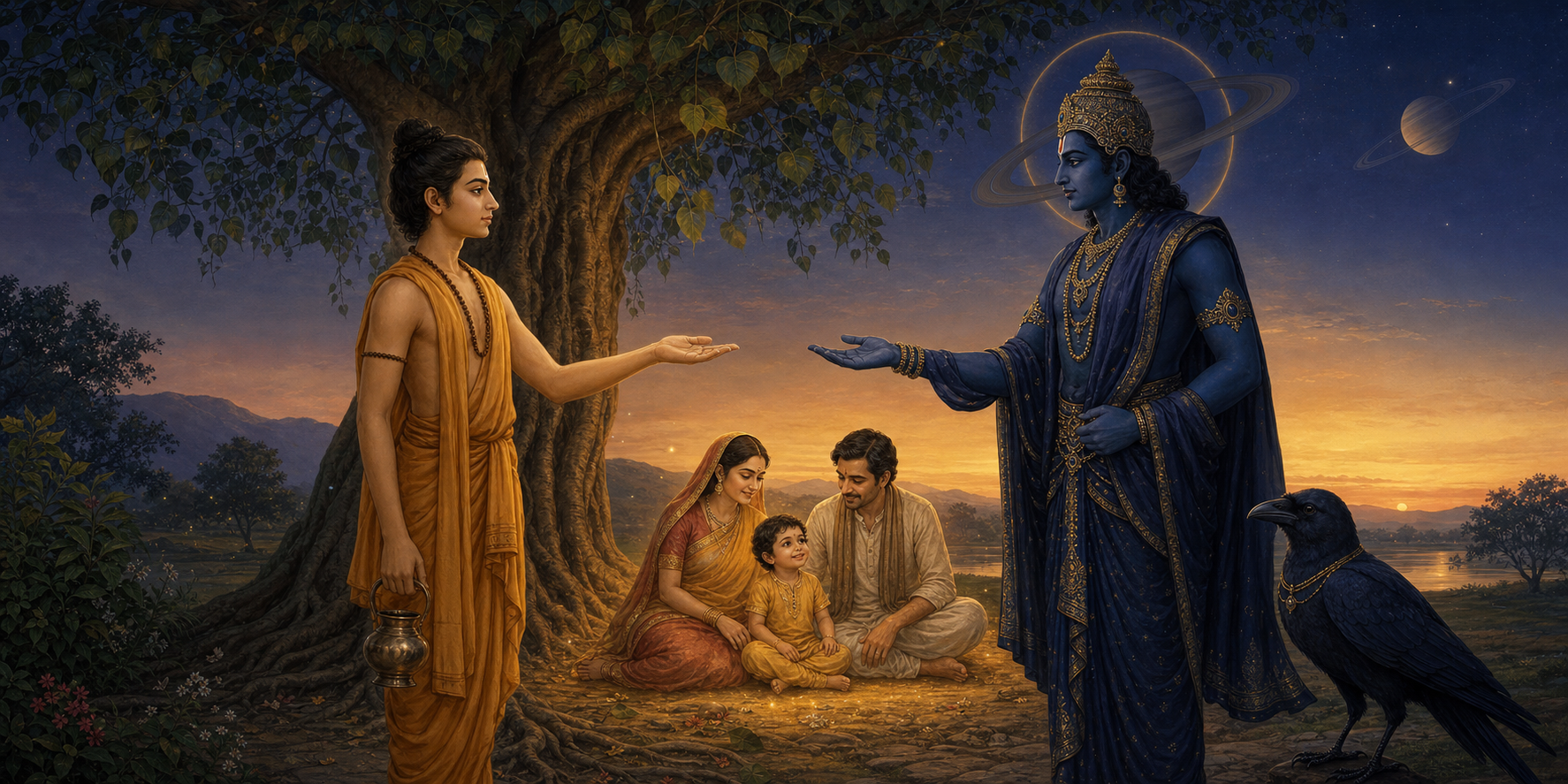
Pippalada and Shani: What the Covenant Means for Your Child
-

Om in Vedic and Upanishadic Thought: Meaning and Practice
-
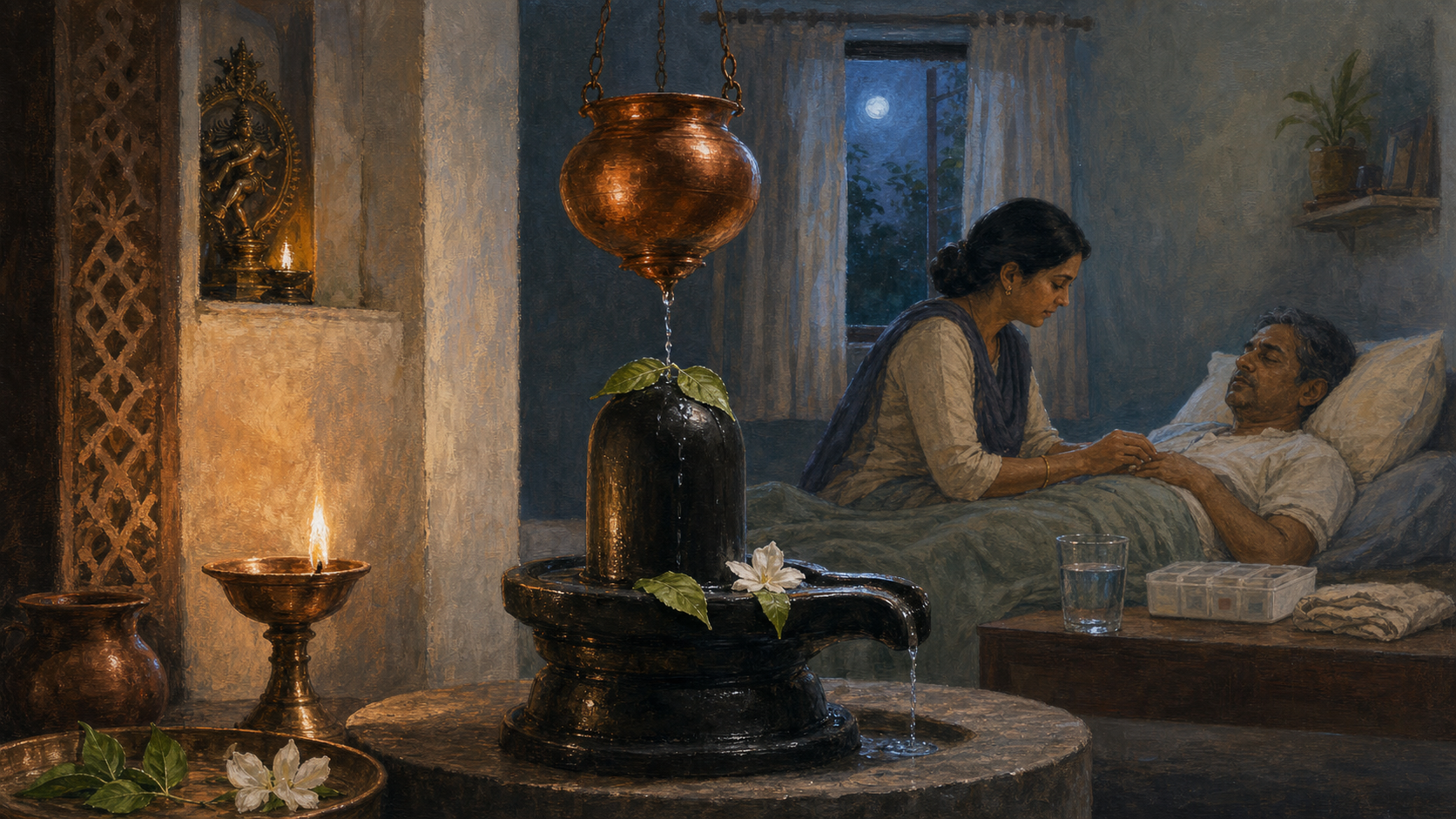
Kinnara Shiva and a Responsible Theology of Divine Healing
-
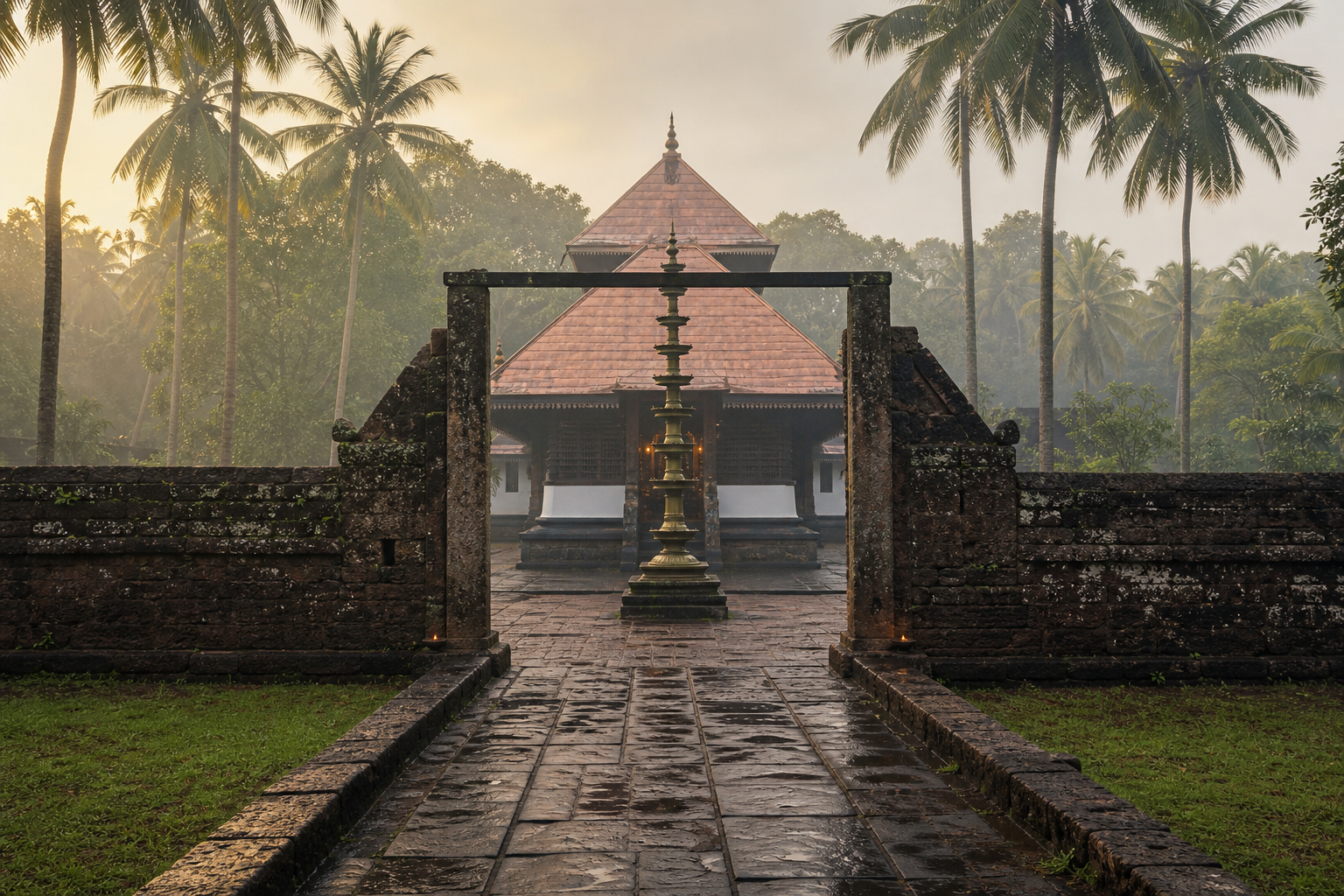
How to Read the Sacred Geometry of a Kerala Hindu Temple