
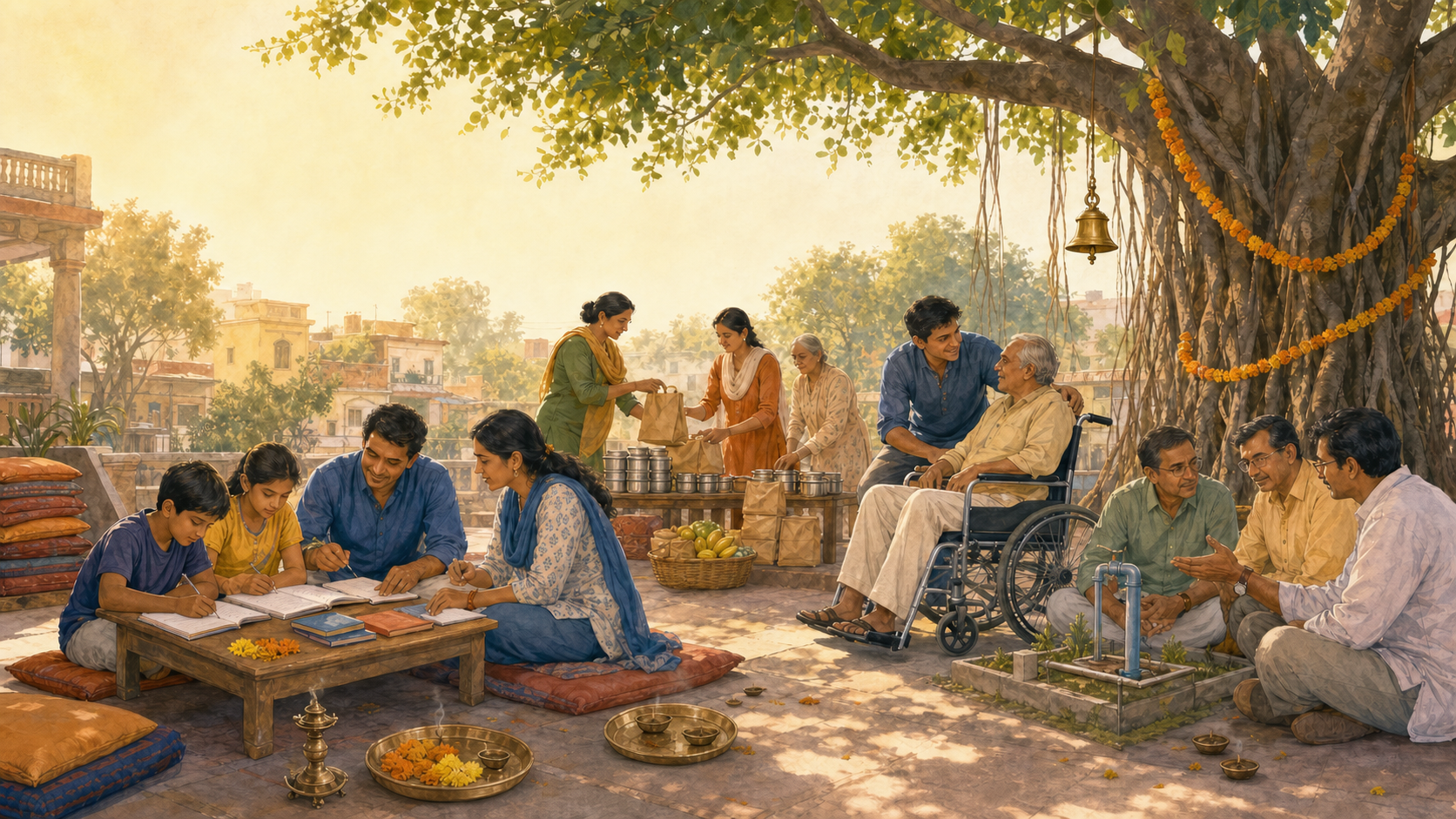
You leave a Ram Navami procession, satsang, langar, or community gathering with sincere talk of unity. Yet when the music ends, a practical question remains: what will become better for the student who needs tutoring, the elder living without support, or the neighborhood struggling to resolve a common problem?
If you want Dharmic unity to produce social flourishing without reducing Dharma to a party slogan or vague charity, give it a civic form. A disciplined Ram Navami gathering in Varanasi linked devotion with Ramrajya, seva, ethical restraint, and public welfare. The important move is the link itself: spiritual conviction becomes credible in public life when it produces conduct, service, and accountable institutions.
Unity begins with a moral floor, not a single creed
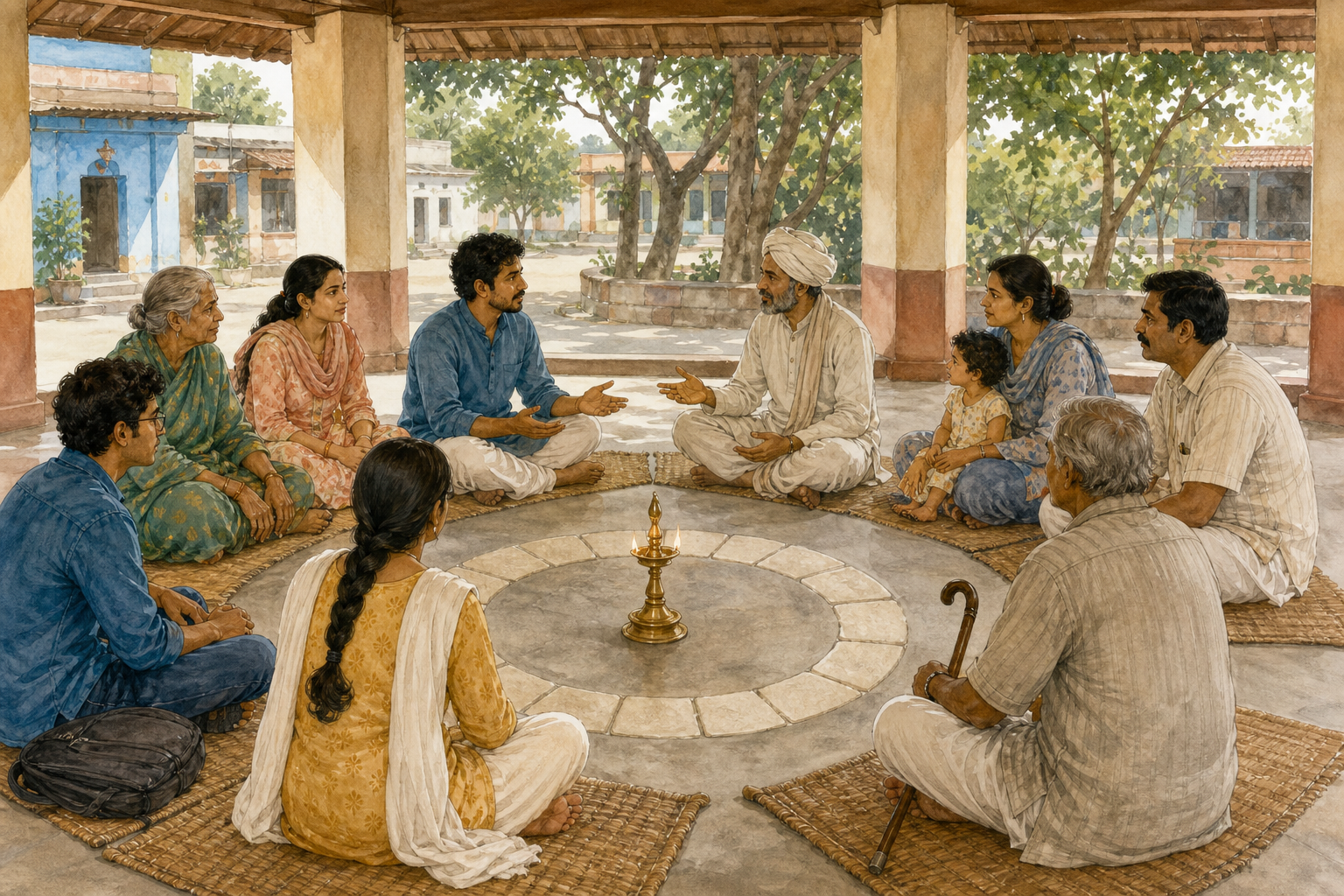
Dharmic unity does not require Hindus, Buddhists, Jains, and Sikhs to pretend that their philosophies, histories, or forms of worship are identical. It asks whether people with real differences can uphold a shared civic ethic. That is a stronger basis for cooperation than theological flattening.
Hindu traditions contribute the language of dharma, satya, yajna, maryada, and lokasangraha. Buddhist traditions emphasize compassion, right speech, right action, and ethical restraint. Jain Dharma brings rigorous ahimsa, aparigraha, and anekantavada. Sikh Dharma gives civic structure to seva, honest work, sharing, sangat, langar, and sarbat da bhala. Across these traditions, truthfulness, non-harm, disciplined desire, generosity, self-mastery, and responsibility for the whole form a recognizable common horizon.
This is unity without uniformity. You do not have to settle every metaphysical question before cleaning a neglected public place, organizing tutoring, caring for elders, or improving a local grievance process. You need agreement about the duty at hand, the limits that govern it, and the people it must serve.
Hindu unity should be understood in the same practical way. It is not merely the ability to assemble a crowd or repeat a shared slogan. It is the capacity of different sampradayas, castes, regions, languages, and generations to cooperate without demanding that one erase the others. Its civic test is straightforward: can we protect what is sacred, serve those who need help, keep our word, and correct wrongdoing within our own institutions?
Ramrajya offers a useful name for that aspiration when it is understood as rajadharma rather than religious domination. Its public content is justice, restraint in the use of power, protection of the vulnerable, fair administration, and welfare for all. Gandhi’s interpretation likewise treated Ramrajya as a moral commonwealth grounded in truth and nonviolence, not as a theocracy. That makes it compatible with lawful, plural civic action rather than a substitute for constitutional government.
Use Dharmic ideals as a decision system
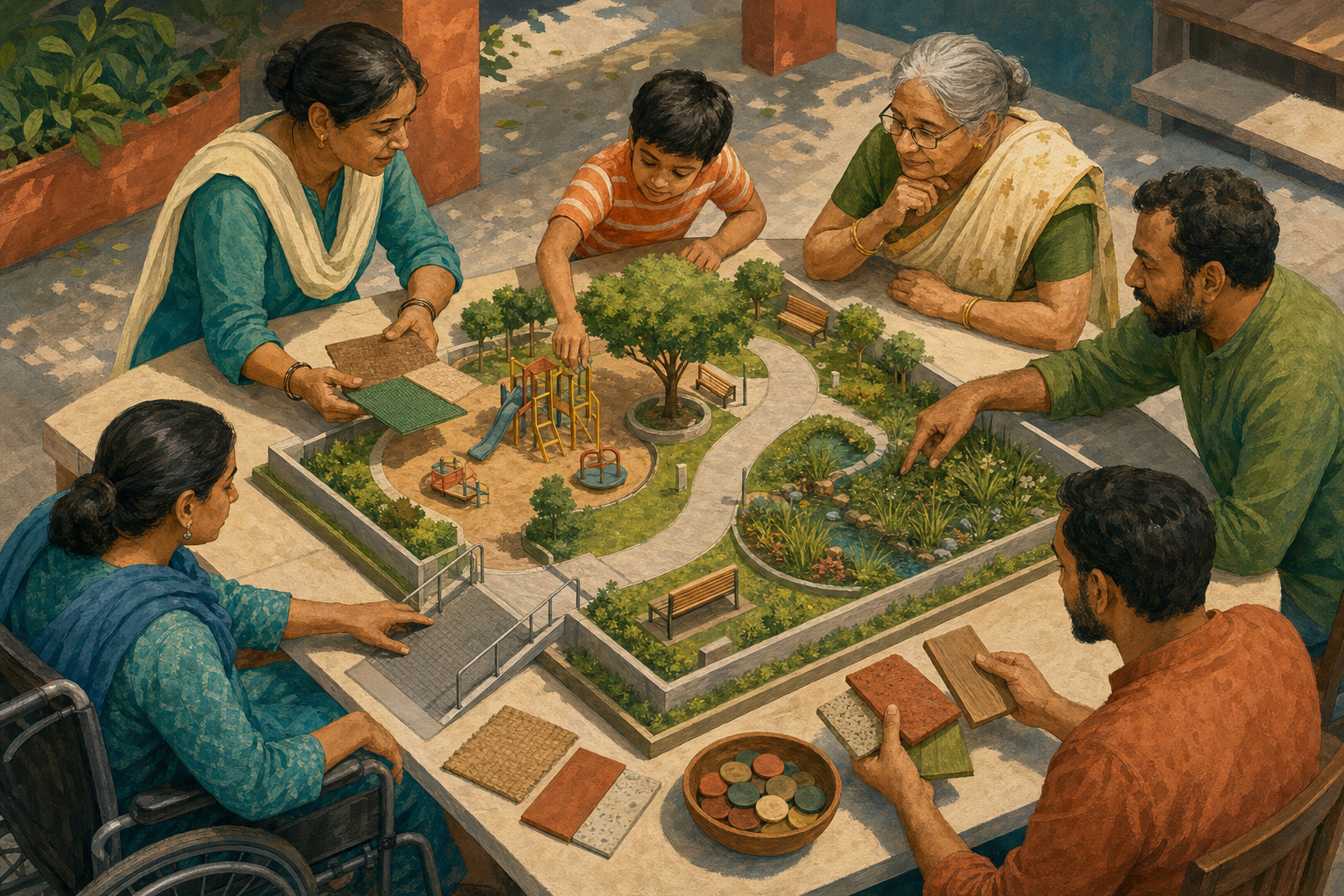
Values become useful when they change a decision. Before your temple committee, youth group, cultural association, or inter-Dharmic sabha launches a project, translate each ideal into a question that can expose weak design.
| Dharmic ideal | Question to ask | What it changes in practice |
|---|---|---|
| Satya | Are our claims, eligibility rules, accounts, and reports accurate? | Publish clear criteria, correct errors openly, and do not exaggerate participation or impact. |
| Ahimsa | Who could be harmed, intimidated, humiliated, or excluded by this activity? | Use nonviolent methods, protect safe access, and redesign activities that turn visibility into pressure. |
| Maryada | What boundaries still apply when our goal is noble? | Respect consent, law, public order, personal dignity, and the proper limits of every role. |
| Aparigraha | Are money, status, possessions, or control becoming the hidden purpose? | Keep administration transparent and prevent patrons or office-bearers from capturing a public project for prestige. |
| Seva and vand chakna | What burden are we actually sharing, and with whom? | Move from ceremonial generosity to repeatable work such as tutoring, community kitchens, and elder care. |
| Lokasangraha and sarbat da bhala | Does this strengthen the wider social fabric or only our own faction? | Judge success by public benefit, especially the dignity and security of vulnerable people. |
| Anekantavada | Whose relevant perspective have we not heard? | Invite criticism before a decision hardens and distinguish partial understanding from bad faith. |
| Shreya over preya | Are we choosing durable good over immediate applause? | Prefer sustained service and institutional repair to a visible event with no follow-through. |
These questions also help when worthy aims pull in different directions. A large procession may express belonging, but maryada asks how it will protect public order. A community kitchen may embody seva, but satya asks whether its finances and beneficiary claims are honest. An advocacy campaign may defend Dharma, but ahimsa asks whether its language encourages intimidation. Dharma is subtle precisely because good intentions do not remove the need for discernment.
Use the framework before approving a project, not only after a controversy. Ask each organizer to identify the duty being served, the likely harm, the governing boundary, the missing viewpoint, and the evidence that will show whether the work helped. If those answers remain vague, the project is not ready.
Turn devotional energy into a local civic compact
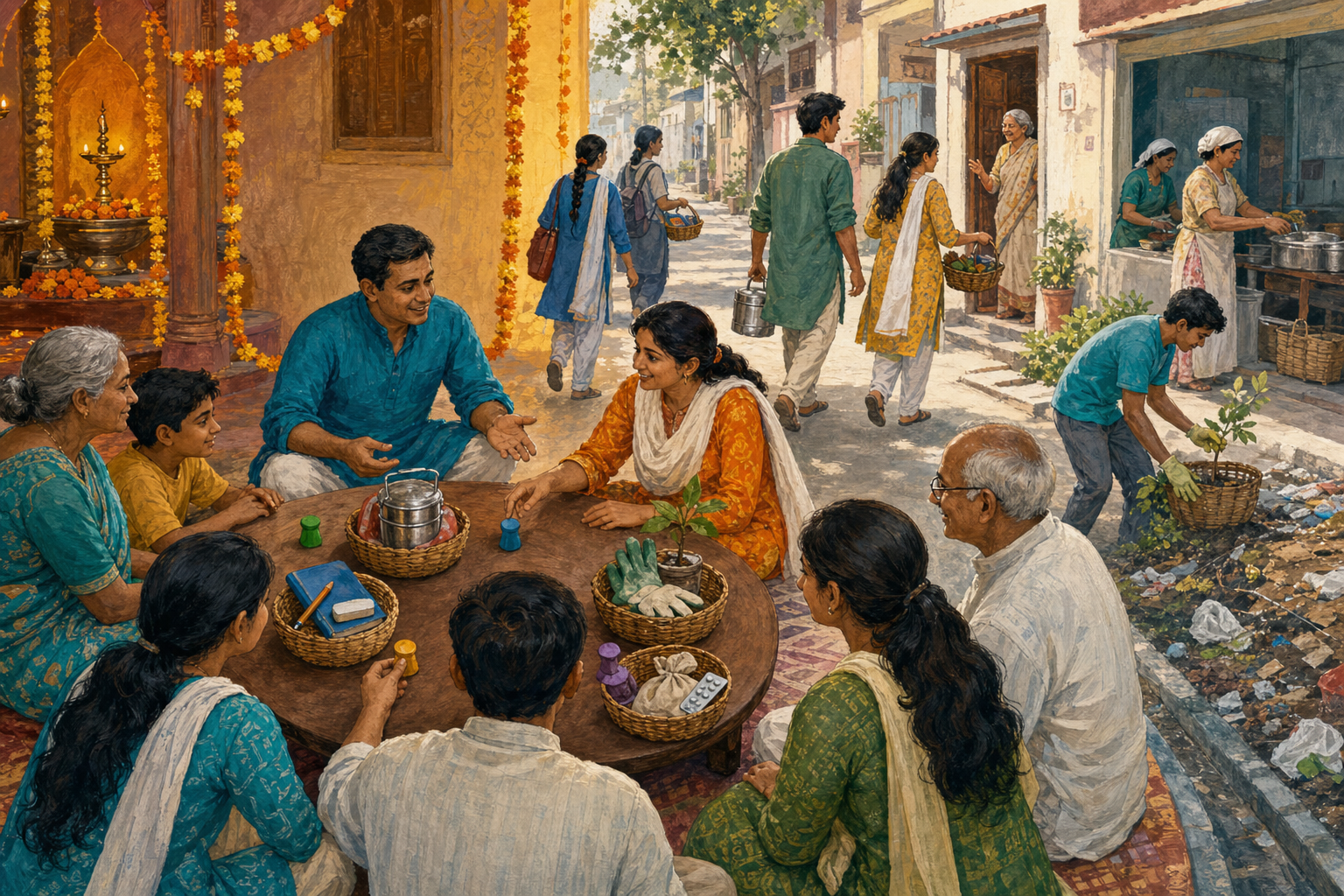
Festivals generate attention, volunteers, intergenerational participation, and a felt sense of belonging. That energy is valuable but temporary. A local civic compact carries it into ordinary weeks by converting a collective pledge into named duties.
- Choose a bounded public need. Listen first to the people closest to it. A neglected heritage space, an unreliable tutoring effort, isolated elders, public cleanliness, or an inaccessible grievance process is specific enough to organize around. A promise to improve society is not.
- Write the duty in plain language. State who will be served, what volunteers will do, what they will not do, and what evidence will be made public. Replace phrases such as promoting harmony with observable commitments such as holding a regular shared service activity or recording responses to local grievances.
- Invite cooperation without demanding sameness. Hindu, Buddhist, Jain, and Sikh participants can explain the ethical reason their own tradition gives for the work. The project needs a shared civic standard, not a manufactured common theology.
- Assign responsibility before collecting enthusiasm. Name responsibility for operations, accounts, volunteer conduct, safeguarding, and grievances. A pledge owned by everybody in general is usually owned by nobody when a difficult decision arrives.
- Connect ceremony to service. Announce the civic duty at the gathering, provide a clear way to participate, and report back where the same community can see the result. This keeps seva from becoming an unrelated side activity.
- Review conduct as well as output. Ask whether the work was truthful, non-coercive, fair, and accessible. A clean street achieved through intimidation, or a well-funded kitchen administered through favoritism, would not represent Dharmic flourishing.
The compact should be modest enough to honor. Grand language often hides weak ownership. A smaller duty, completed regularly and reported honestly, builds the trust needed for more demanding cooperation later.
Inter-Dharmic dialogue belongs inside this process, but dialogue should have a civic destination. A sabha might begin by identifying shared principles, move to a local problem, and end with responsibility for a joint task. Discussion remains important because it prevents collaboration from becoming shallow. Service matters because it reveals whether mutual respect survives budgets, schedules, criticism, and unequal workloads.
Measure service and protect it from coercion
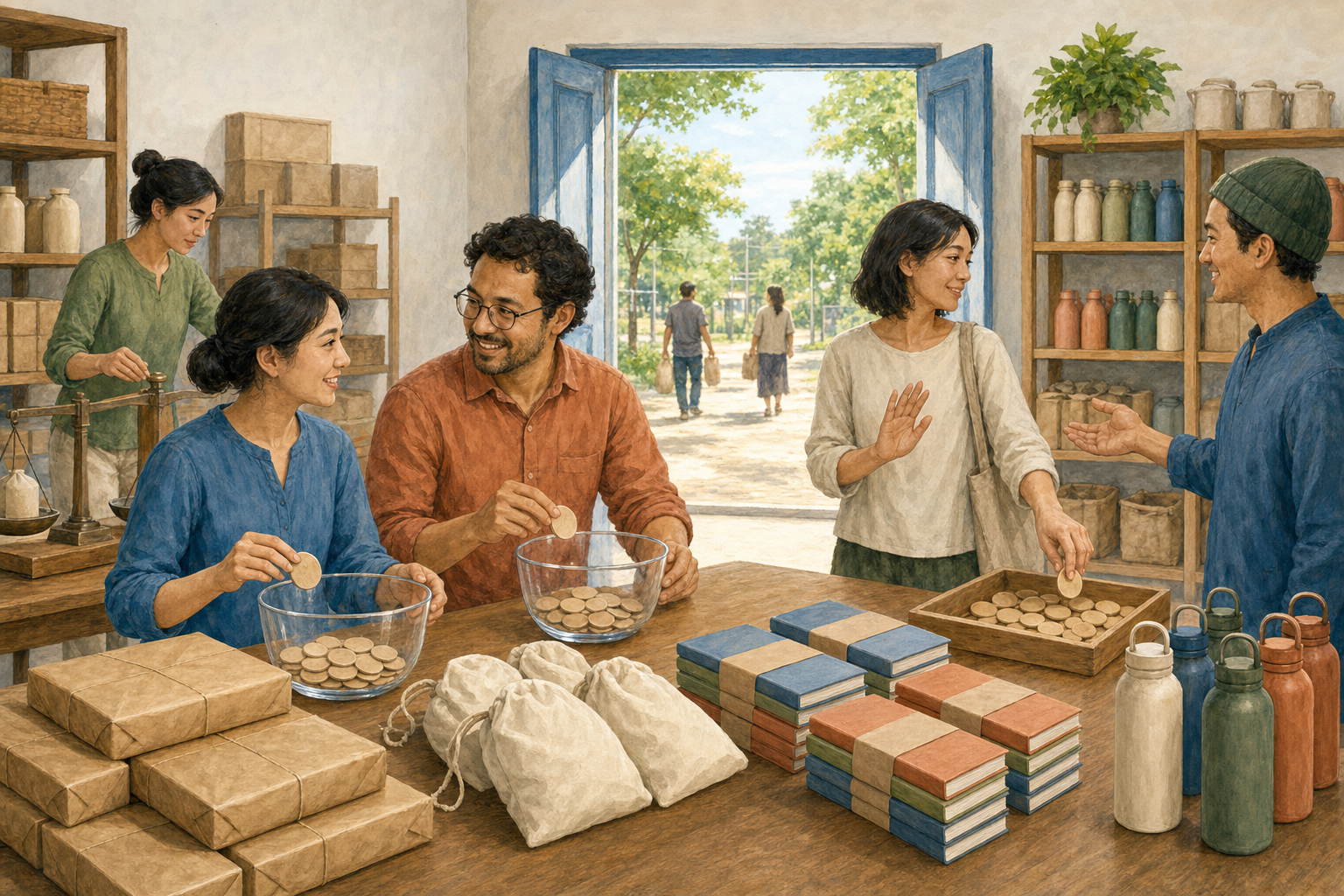
Metrics that reveal whether seva is working
Measurement does not cheapen seva. It distinguishes a sincere promise from an impression. Use indicators that the community can understand and verify:
- Effort: volunteer hours actually completed, not merely promised.
- Access: participation across age and gender, along with any group that repeatedly remains absent.
- Responsiveness: the time taken to acknowledge and address a local grievance.
- Public condition: visible improvement in cleanliness, maintenance, safety, or access at the place being served.
- Social trust: recurring interpersonal disputes and whether an agreed process resolves them without escalation.
- Continuity: whether the work continues after the festival, procession, or launch gathering has passed.
Publish the measures on a community noticeboard, meeting record, or accessible online page. Report shortfalls as well as achievements. Satya requires the group to say when volunteers did not appear, a grievance remained unanswered, or a project reached fewer people than intended. Honest incompleteness creates more trust than embellished success.
Do not confuse the easiest number with the real purpose. Volunteer hours reveal effort, not necessarily benefit. Attendance shows reach, not fairness. A cleanliness photograph records a moment, not maintenance. Read several indicators together and include feedback from the people receiving the service.
Guardrails that keep unity Dharmic
Collective confidence is healthy. Coercion is not. A Dharmic civic compact should remain lawful, nonviolent, and open to correction. Put these boundaries in writing:
- Access to civic help must not depend on adopting a belief, attending worship, displaying a political preference, or proving cultural loyalty.
- A procession or public gathering must express devotion through discipline, hospitality, and restraint rather than through the intimidation of neighbors.
- Disagreement must not be recast automatically as disloyalty. Hear criticism, answer it with reasons, and provide a process for grievances.
- Accounts, selection criteria, and positions of responsibility must be transparent enough to challenge favoritism and capture.
- Women, children, elders, and other vulnerable people must be treated as participants with dignity, not as symbols used to advertise virtue.
- Every activity must remain within the law and respect equality before it. Spiritual motivation can strengthen constitutional conduct; it does not place organizers above public obligations.
If a project cannot survive these guardrails, its problem is not excessive caution. Its design is adharma. The proper response is to stop, correct the method, and restore the relationship between worthy ends and righteous means.
These safeguards also protect Hindu institutions from internal decay. A community that demands accountability from government but excuses opaque accounts, favoritism, humiliation, or unkept promises in its own organizations weakens its moral standing. Rajadharma begins wherever power is exercised, including the committee room.
Key takeaways
- Build unity around a common civic ethic, not a claim that all Dharmic traditions are philosophically identical.
- Convert values into decision questions: tell the truth, identify possible harm, respect boundaries, restrain self-interest, and test the wider public benefit.
- Carry festival energy into a bounded local duty with named responsibility and a visible way to participate.
- Track effort, access, responsiveness, public conditions, dispute resolution, and continuity; publish failures as honestly as successes.
- Reject coercion, favoritism, opaque administration, and benefits conditioned on belief. Dharmic strength must remain disciplined by dharma.
At your next community gathering, do not let the final act be applause. Put a blank civic charter on the table with spaces for the local need, the duty, the responsible people, the safeguards, the evidence, and the review. Complete it before announcing another pledge. That is how unity becomes seva, seva becomes trust, and trust becomes social flourishing.
References
- DharmaRenaissance Blog – Varanasi’s Shri Ram Navami Procession Pledges Ram Rajya, Seva, and Dharmic Unity
- DharmaRenaissance Blog – Hinduism’s Universal Ideals: Defeating Stagnation and Igniting Flourishing with Dharma