-
Narasimha Chaturdashi (Narasimha Jayanti) 2026: Date, Puja Timings, Rituals, and Deep Significance

Narasimha Chaturdashi (Narasimha Jayanti) in 2026 falls on April 30, aligned with Vaishakha Shukla Chaturdashi in the Hindu calendar. This comprehensive guide clarifies how to choose the correct observance day using the Madhyahna window, why parāṇa is taken after sunrise the next morning, and how regional panchang differences affect timing. It details a practical home…
-
Padmavathi Srinivasa Kalyanam 2026: Sacred Tirumala Dates, Rituals, Darshan and Travel Guide

Sri Padmavati Srinivasa Parinayotsavam (Padmavathi Srinivasa Kalyanam) will be held in Tirumala from 25–27 April 2026 at the Parinayotsava Mandapam, Narayangiri Gardens. This in-depth guide explains the festival’s theological significance, its Vaikhanasa Agama-based wedding rituals, and the role of Sridevi and Bhudevi with Sri Srinivasa in the Tirumala observance. Readers gain clear planning insights on…
-
Experience Sacred Renewal: Tiruchanur Koil Alwar Thirumanjanam—28 Apr 2026, Vasantotsavams Prelude

Sri Padmavathi Ammavari Temple, Tiruchanur, will perform Koil Alwar Thirumanjanam on 28 April 2026 as the formal prelude to the Vasanthotsavams scheduled from 30 April to 2 May 2026. The day begins with Suprabhatam and a temple-wide purification from 6:00, aligning with Pancharatra Agama and TTD protocols. Readers gain a clear understanding of the ritual’s…
-
Eraiyur Thagam Theerthapureeswarar Temple: Shaiva Heritage, Travel Guide & Architecture

Arulmigu Eraiyur Thagam Theerthapureeswarar Temple in Iraiyur (Erayur), near Vridhachalam, is a living Shaiva kshetra where Shiva as Dhagam Theerthapureeswarar and Goddess Annapurni are venerated. The name evokes a theological image of thirst being quenched at a sacred theertha, aligning with Shaiva Siddhanta’s compassionate vision. Practical access is simple: buses are available, roads are direct,…
-
Unveiling the Golden Glow of Temple Bronzes: Sacred Metallurgy and Living Rituals Explained

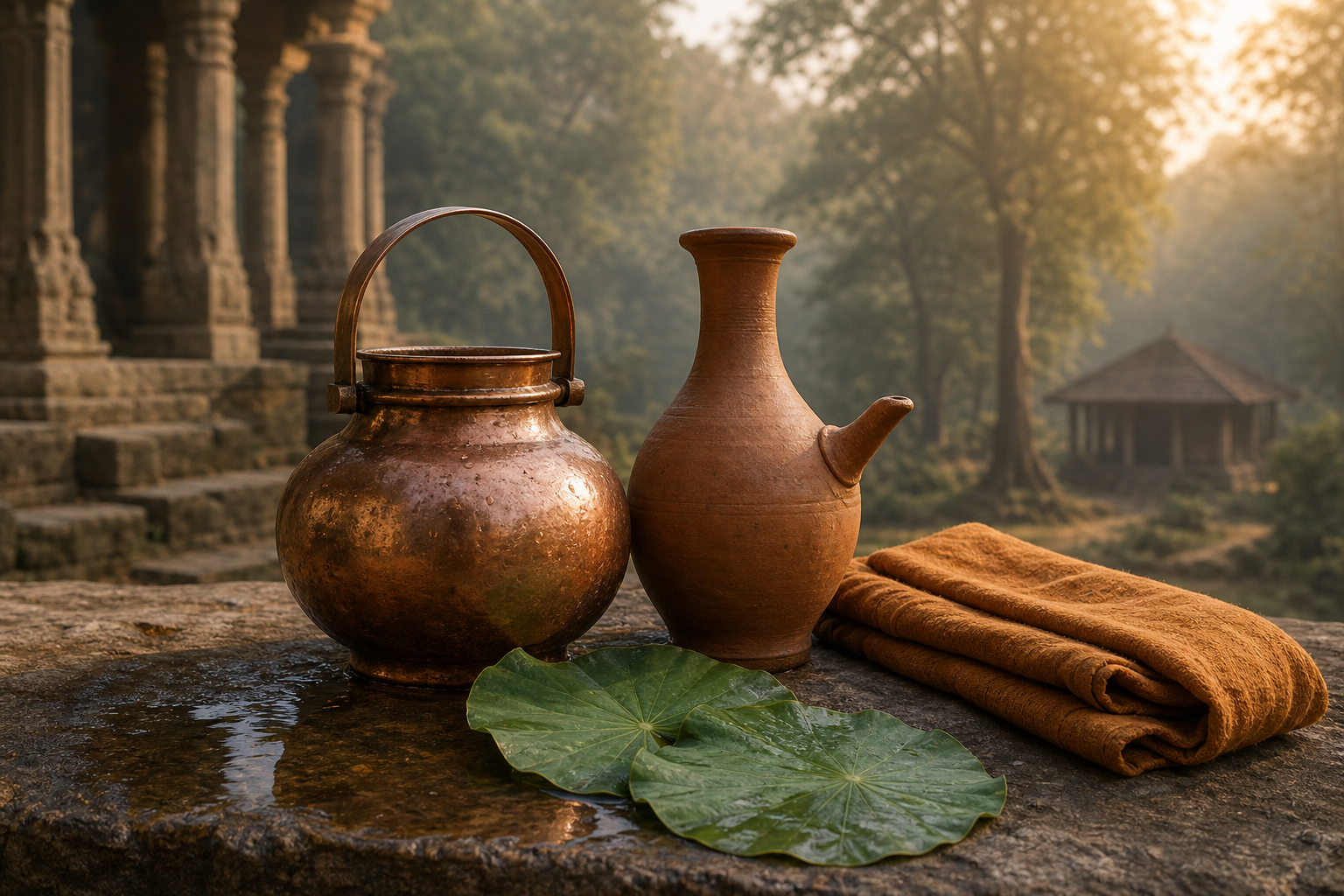
Temple bronzes often appear golden, yet their radiance rarely comes from gold. Instead, copper-rich alloys—bronze or brass—are cast using the lost-wax method, finished to high smoothness, and then refined by centuries of ritual. Abhishekam cycles, lamp soot, incense resins, sandalwood paste, and gentle wiping together thin oxides, add hydrophobic films, and produce a warm, stable…
-
Shanmukha Unveiled: The Sacred Six Faces of Murugan—Names, Symbolism, and Practice

This comprehensive exploration of Shanmukha (Shanmugam) clarifies how traditions name and understand the six sacred faces of Lord Murugan. It presents the most common devotional mapping—Skanda, Subrahmanya, Kārtikeya, Kumāra, Guha, and Saravana—while explaining why no single, universal list prevails across all lineages. Readers learn how the six syllables Sa-Ra-Va-Na-Bha-Va and frameworks like the six directions,…
-
Bhadrakali Amman Unveiled: Sacred Iconography, Rituals, and Time-Transcending Philosophy

Bhadrakali Amman is presented as fierce grace: a guardian who unites auspiciousness with the transformative power of time. The analysis explains the etymology from Kala, the iconography of weapons and mudrās, and the ritual ecosystem of Amman worship in Tamil Nadu and Kerala. It highlights key festivals such as Attukal Pongala and the ethical turn…
-
Jagannath Arrives in Sahibabad: A Majestic ISKCON Temple and Beacon of Dharmic Unity

On 16 March 2026, ISKCON Sahibabad inaugurated the murtis of Lord Jagannath, Baladeva, and Subhadra amid Vedic rituals and kirtans, creating a new spiritual anchor for Delhi–NCR. The consecration followed Gaudiya Vaishnava liturgy rooted in Hari-bhakti-vilasa and Pancharatra practices, culminating in abhishekam and darshan. As one of the twenty ISKCON temples within the Delhi region,…
-
Viralimalai Murugan Temple & Arunagirinathar: Hunter-Lord Legend, Art, Rituals, and Peacocks

Viralimalai’s Shanmuganathar Temple presents a rare seated-on-peacock icon of Lord Murugan, uniting legend, music, and sacred ecology in a single hilltop experience. The site’s historical layers and South Indian hill-temple architecture encode a living Kaumāra tradition guided by Śaiva āgamas and Śilpa-Śāstra canons. Local memory of “When the Lord became the Hunter” situates Viralimalai within…
-
Gandham Amavasya 2026 at Simhachalam: Sacred Sandalwood Rites Before Nijaroopa Darshanam

Gandham Amavasya at Simhachalam initiates the sacred sandalwood preparation that culminates in Chandanotsavam on Akshaya Tritiya. In 2026, it falls on 17 April, three days before Nijaroopa Darshanam on 20 April. The temple’s unique tradition keeps the moola vigraha covered in chandan year-round, removing it only on Akshaya Tritiya for rare darshan. Rituals are conducted…
-
Agastheeswara Swamy Brahmotsavam at Narayanavanam: Sacred Dates, Deep Rituals, Pilgrim Guide

The Agastheeswara Swamy Temple Brahmotsavams at Narayanavanam will be celebrated from April 21 to 30, with Ganapati Puja and Ankurarpanam on April 20 from 6:00 PM to 8:30 PM. Grounded in agamic tradition, the festival emphasizes sacred renewal through preliminary rites, dhwaja rituals, vahana processions, and daily pujas. Sri Agastheeswara Swamy and Goddess Maragadavalli are…
-
Hanuman Jayanti 2026 (Chaitra Purnima): Definitive Guide to Date, Muhurat, Puja Vidhi & Hanumath Vijayotsavam

Hanuman Jayanti 2026 aligns with Chaitra Purnima and spans April 1–2 (IST), reflecting a Purnima Tithi that overlaps two civil dates. This comprehensive guide explains how regional Panchang rules determine the exact observance and why legitimate calendric lineages yield different, yet harmonious, dates. It details the core rituals—Hanuman Puja, Hanuman Homam, Havanam, and Hanuman Sindhura…
-
Hanuman Jayanti 2026 Puja Vidhi: Authoritative Step-by-Step Vrat, Muhurta, Mantras, Aarti

Hanuman Jayanti 2026, aligned with Chaitra Purnima on April 1–2, is a comprehensive occasion for vrata, puja, and stotra-parayana centered on Sri Hanuman’s ideals of strength, devotion, and seva. This authoritative guide details the Hanuman Vrat Pooja Procedure from preparatory cleanliness and sattvic discipline to sankalpa, dhyana, abhishekam, archana, and aarti. It explains practical muhurta…
-
Mani Shankar Aiyar’s temple remarks rekindle debate on Indian secularism and Dharmic pluralism

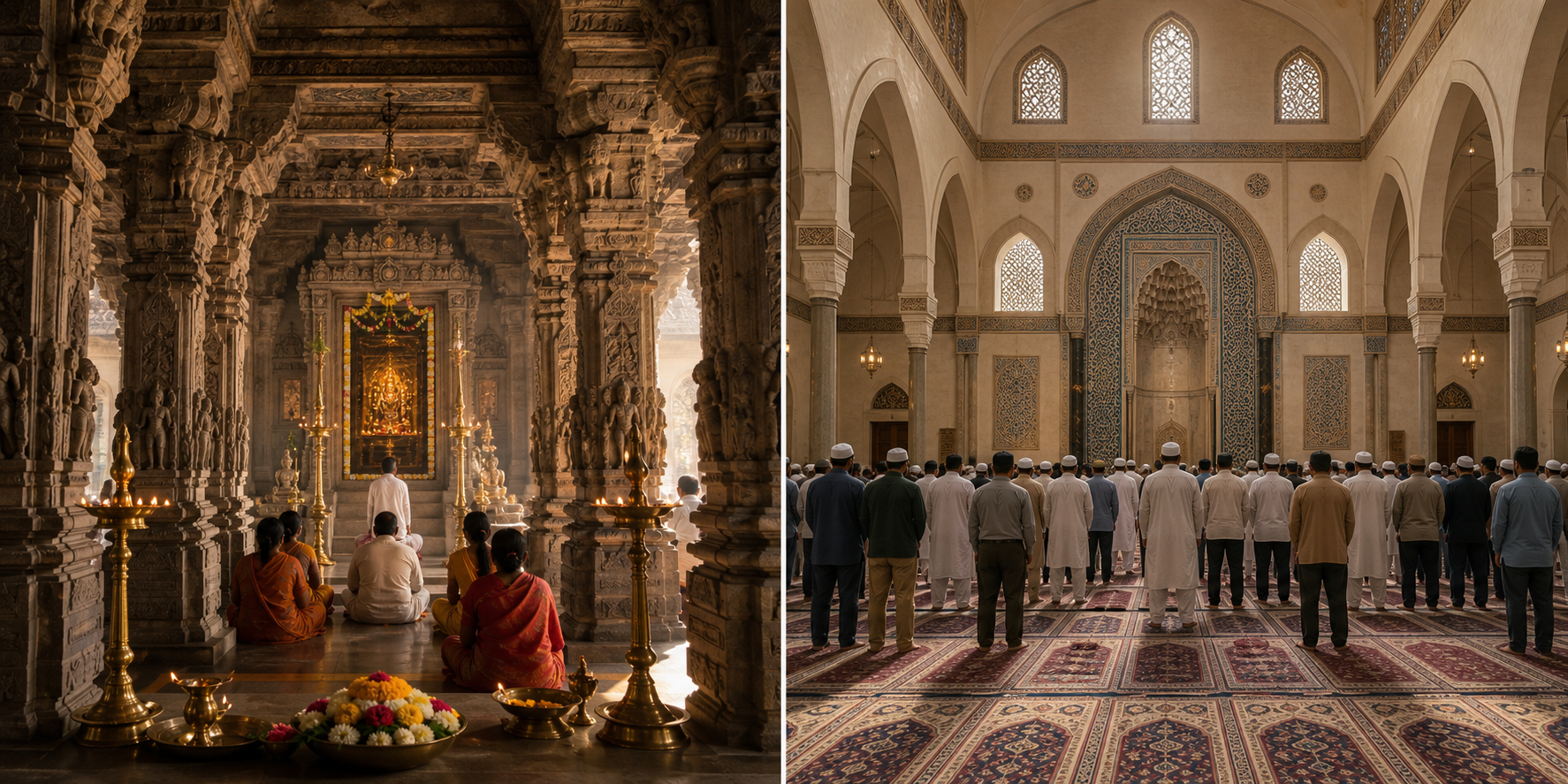
Reported remarks by Mani Shankar Aiyar about not relating to Hindu Dharma and seeing no divinity in temple icons have sparked debate about Indian secularism in a Dharmic society. This analysis distinguishes personal disbelief from public responsibility, showing how language about sacred symbols can affect social harmony. It explains the philosophical basis of murti-puja, prāṇa-pratiṣṭhā,…
-
Compassionate Destroyer: Kinnara Shiva, Divine Healer Who Burns Away Disease and Suffering

This study interprets Kinnara Shiva as a compassionate destroyer and divine healer within Hindu worship, framing disease and suffering through Shiva’s dual symbolism of purifying fire and cooling grace. It situates the epithet historically and doctrinally, clarifying that “Kinnara Shiva” functions as a living, vernacular honorific while grounding the healing theology in Sri Rudram and…
-
Tirumala Temple’s Sri Ramanavami Pattabhisheka Asthanam Unveiled: Sacred Coronation and Dharma

Sri Ramanavami Pattabhisheka Asthanam at Tirumala Temple is a scripturally grounded coronation observance presented before the Utsava deities of Sri Rama, Sri Sita, and Lakshmana Swamy at the Bangaru Vakili. Anchored in Valmiki Ramayana’s Yuddha Kanda, it translates the epic’s ethical vision into a living liturgical form. The rite aligns with the Vaikhanasa Agama and…
-
Shiva’s Playful Forms (lilamurtis): Deep Symbolism, Agamic Iconography, Living Tradition

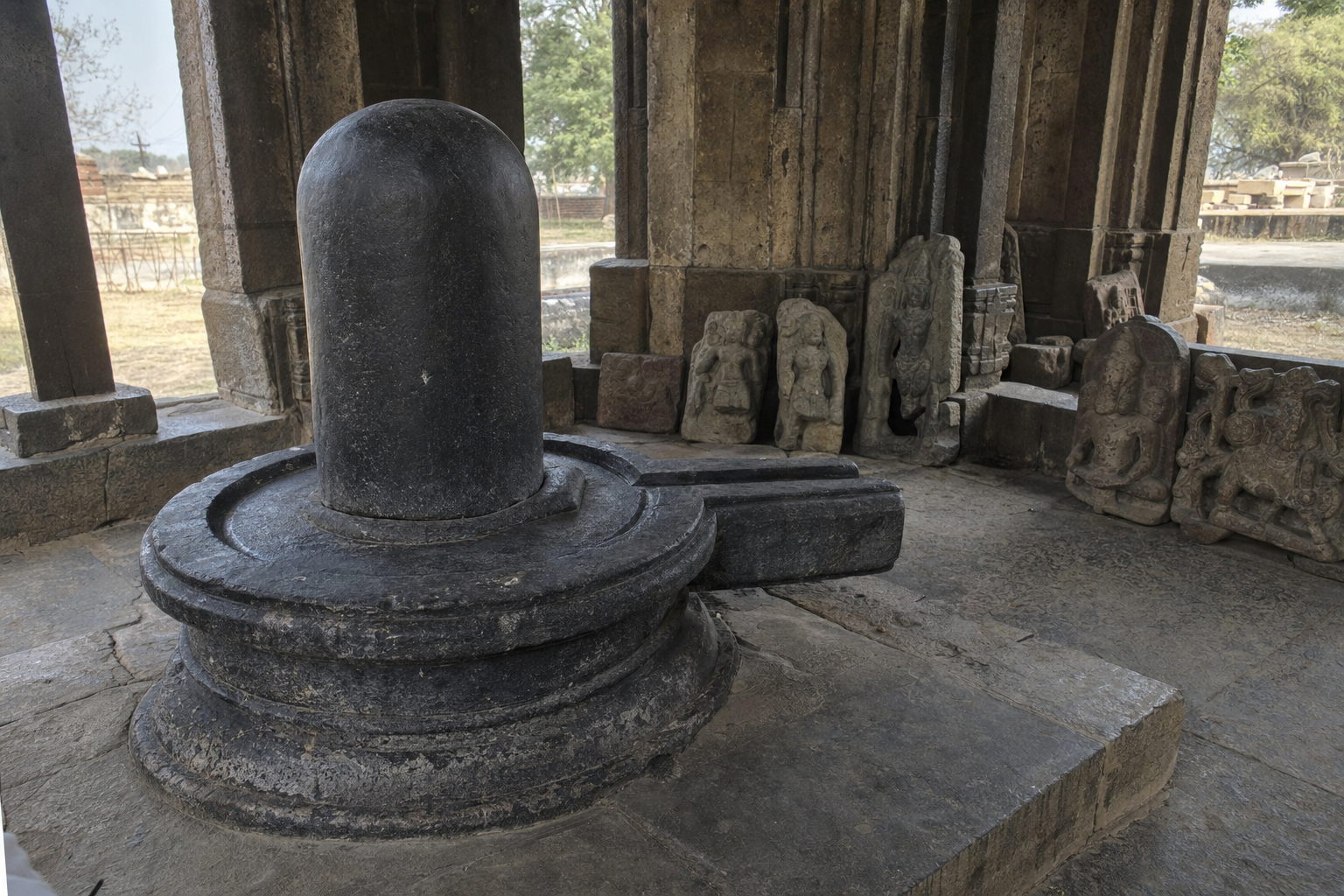
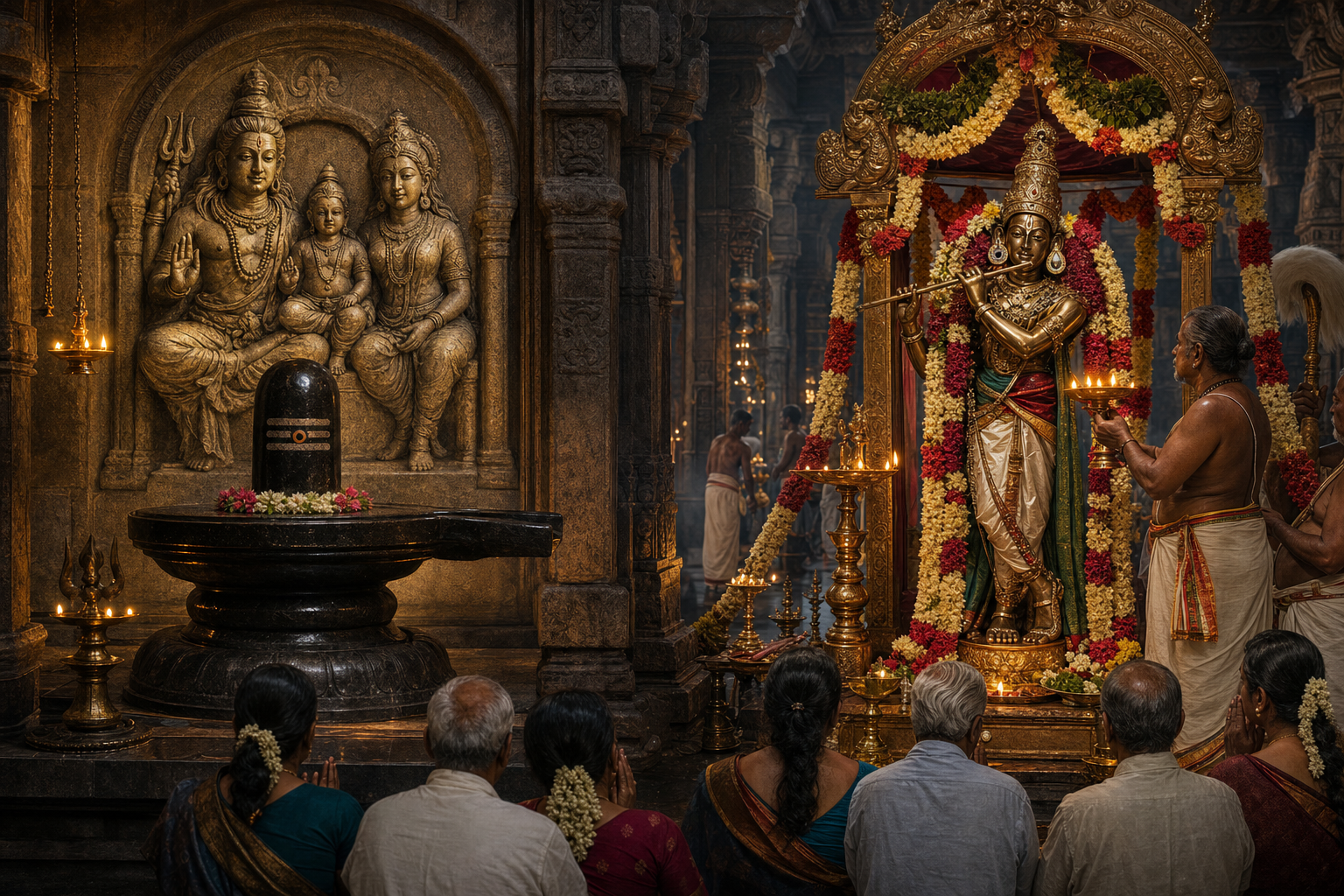
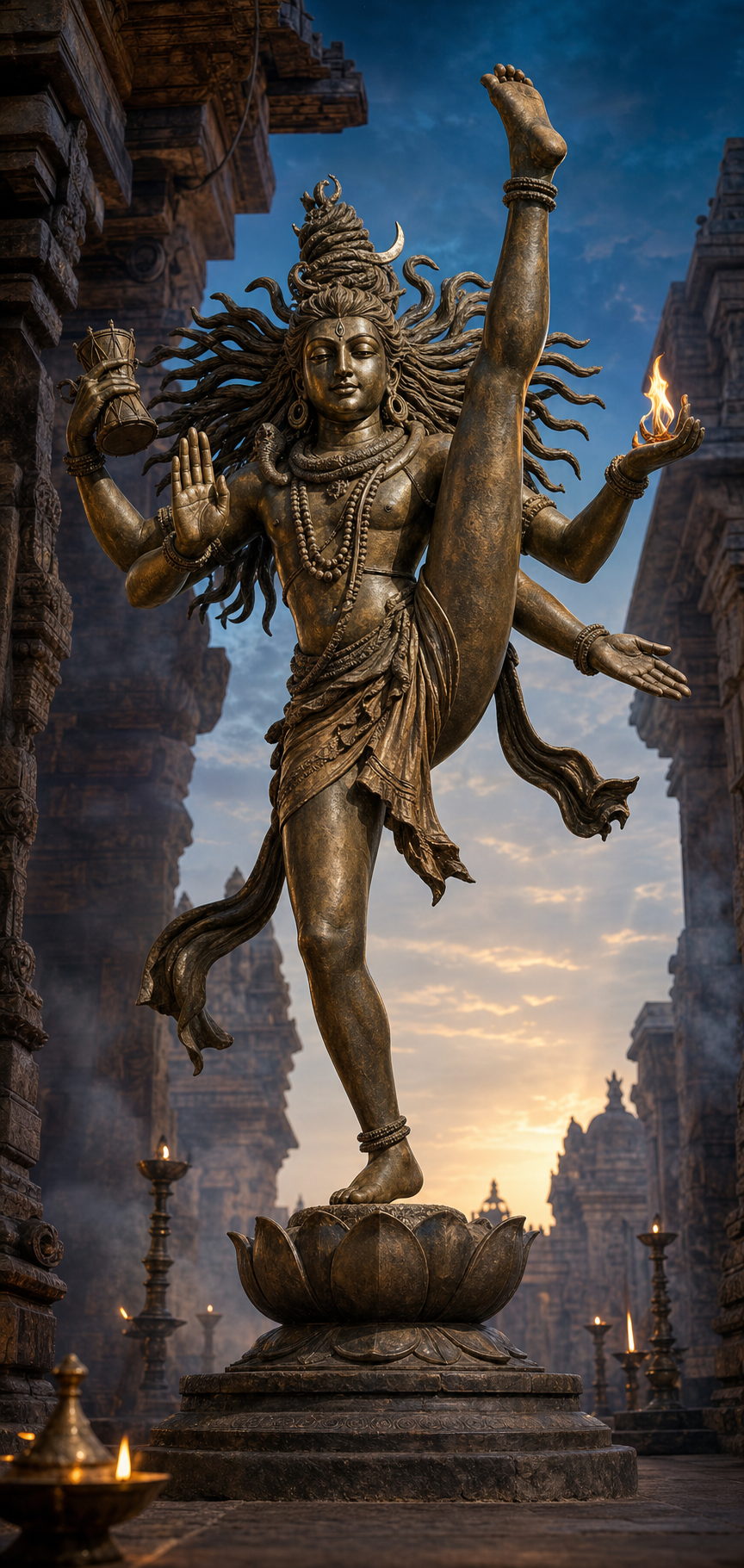
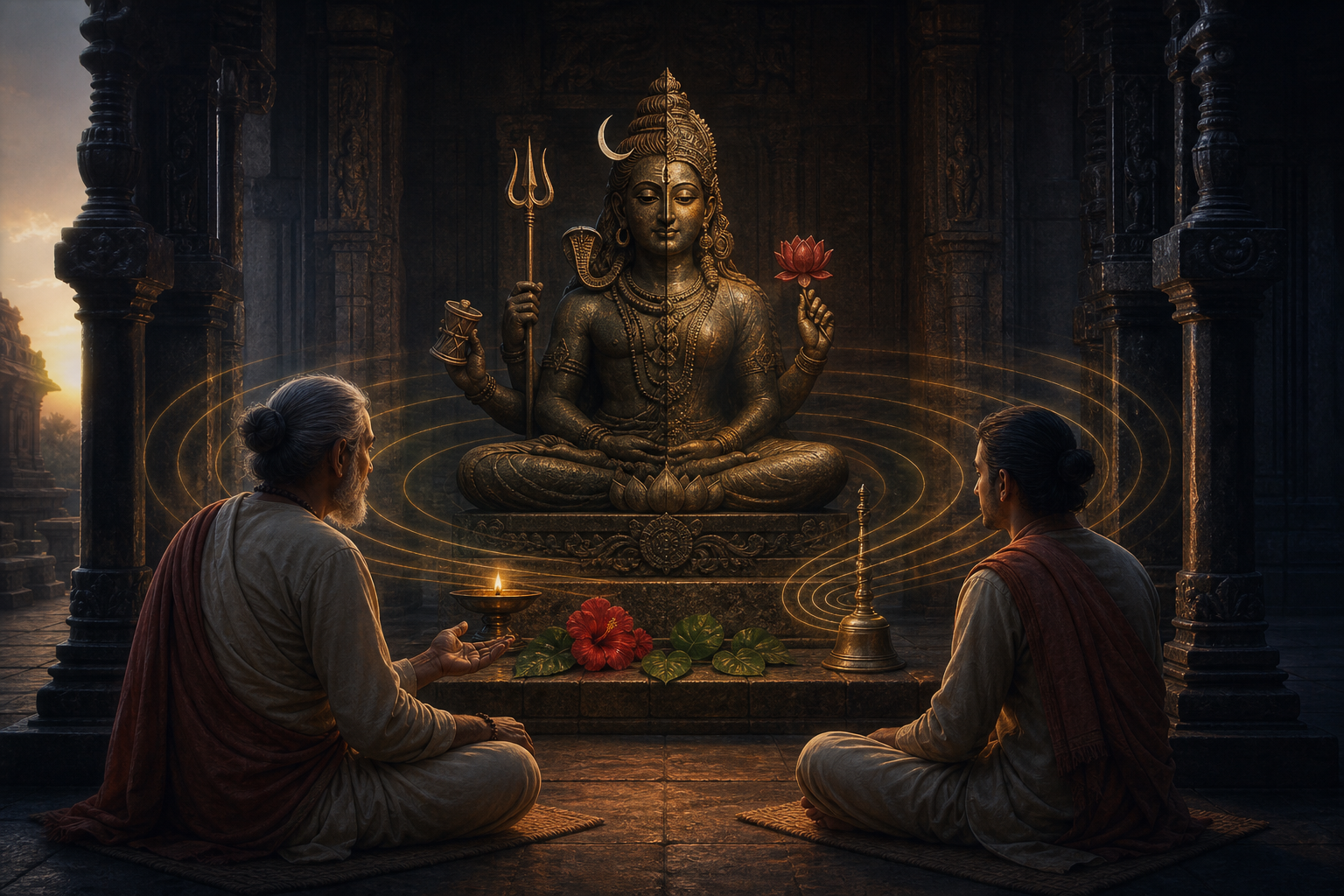
This essay decodes Shiva’s lilamurtis—playful sacred forms that translate the formless into transformative encounter—through the lenses of Agamic iconography, Purāṇic narrative, and living ritual. It explains the aniconic meaning of the Linga and shows how iconic forms like Nataraja, Ardhanarishvara, and Dakshinamurti encode philosophy as gesture and posture. Readers learn how temple architecture and ritual…
-
Sri Ramanavami Utsavams 2026 at Tirupati Kodandarama Temple: Sacred Rituals and Visitor Guide

Sri Ramanavami Utsavams will be observed at Sri Kodandarama Swamy Temple, Tirupati, from March 27–29, 2026, with Sri Ramanavami falling on March 27. Abhishekam to the presiding deities will be performed in the morning, followed by Snapana Tirumanjanam from 8 AM to 9 AM. The festival commemorates Sri Rama’s birth on Chaitra Shukla Navami and…
-
Thiruloki Sundareswara Swamy: Akhilandeswari’s Timeless Grace, History, Rituals, Travel

The Sri Akhilandeswari Samedha Sri Sundareswara Swamy Temple at Tiruloki in the Thanjavur region presents a living synthesis of Shaiva theology, Dravidian temple architecture, and community ritual. This guide explains the paired deities—Akhilandeswari and Sundareswara—their iconography, and the Agamic framework that shapes daily worship. It outlines major festivals such as Maha Shivaratri, Pradosham, Arudra Darshan,…
-
Tiruloki Sundareswara–Akhilandeswari: Timeless Shaiva-Shakta Rituals and Architecture

Thiruloki Akhilandeswari Samedha Sundareswara Swamy Temple is a Shaiva–Shakta sanctum where devotion, philosophy, and Temple Architecture converge within the living stream of Sanatana Dharma. This long-form guide explains the meaning of the deities’ names, outlines the Agamic framework of worship, and describes daily puja, Pradosha, Karthika masam celebrations, Arudra Darshan, Navaratri, and Maha Shivaratri. Readers…