Vedic astrology associates each weekday with a planetary deity and a spectrum of auspicious colours. Wearing these colours is widely believed to attune daily life to supportive planetary energies, fostering balance, clarity, and purpose. This guide presents the traditional colour correspondences, their symbolic meanings, and practical ways to integrate them into a modern wardrobe while honoring the unity of dharmic traditions.
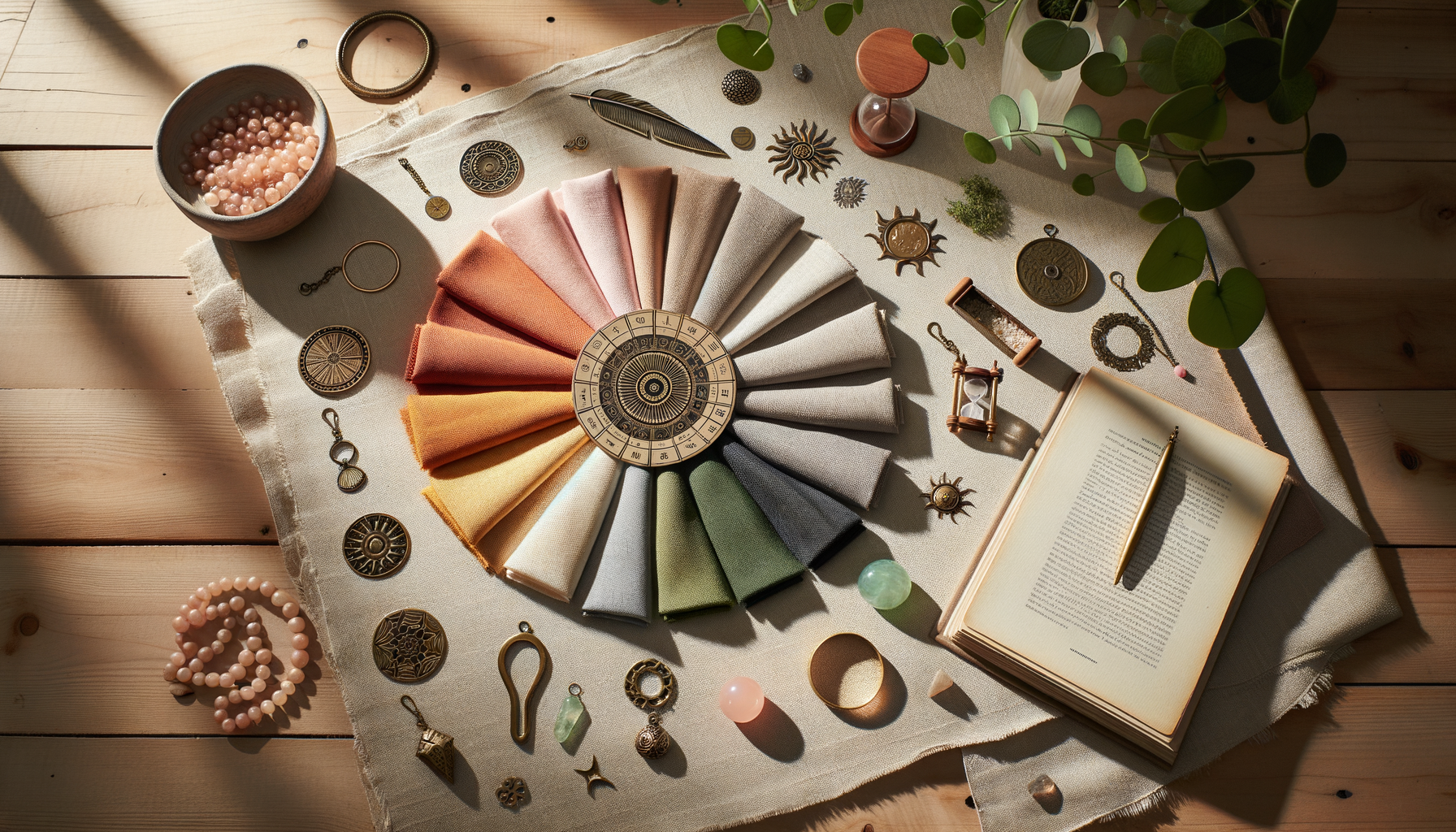
Across the seven days, the planetary sequence runs from Surya (Sun), Chandra (Moon), Mangala (Mars), Budha (Mercury), Guru (Jupiter), Shukra (Venus), to Shani (Saturn). Choosing garments or accents aligned with these influences can become a simple, mindful ritual. While these associations are cultural and spiritual rather than prescriptive, many readers report that intentional colour choices nurture steadiness, confidence, and emotional well-being.
Sunday (Surya): Red, orange, saffron, and maroon symbolize vitality, leadership, and warmth. Subtle options include a saffron scarf, a terracotta tie, or gold-toned jewelry. These hues are traditionally seen as invigorating, helping set a purposeful tone for the week.
Monday (Chandra): White, cream, pearl, and soft silver signify calm, receptivity, and emotional clarity. Light fabrics and gentle tones support reflective tasks and compassionate communication, promoting serenity as the week unfolds.
Tuesday (Mangala): Red, coral, and rust evoke courage, discipline, and focused action. When bold shades feel intense, a coral accessory or understated red detailing balances Mars’ drive with everyday practicality.
Wednesday (Budha): Green and light green are linked with learning, communication, and adaptability. Olive, mint, or emerald accents pair well with neutrals, reinforcing clarity in writing, study, and negotiations.
Thursday (Guru): Yellow, saffron, and mustard reflect wisdom, generosity, and guidance. These luminous tones traditionally support study, teaching, and mentorship, offering an uplifting presence in collaborative settings.
Friday (Shukra): White, pink, and gentle pastels illustrate harmony, aesthetics, and affectionate connection. Soft palettes suit social occasions and creative work, encouraging refinement and balanced relationships.
Saturday (Shani): Black, navy, indigo, and deep blue symbolize grounding, restraint, and responsibility. Structured silhouettes in darker tones can foster focus, patience, and steady progress on long-term goals.
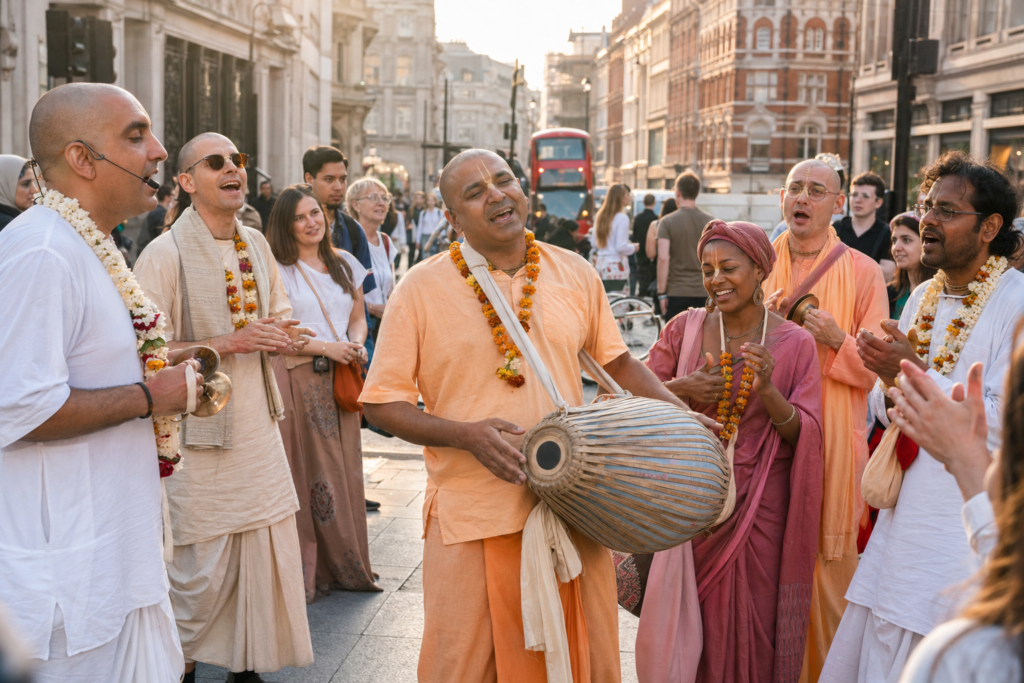
These colour practices resonate across dharmic traditions. Saffron’s association with renunciation and inner strength is honored in Hinduism, Buddhism, Jainism, and Sikhism; white’s symbolism of purity and ethical clarity is similarly shared. Approached in this inclusive spirit, weekday colours become a unifying expression of mindfulness rather than sectarian markers.
Practical tips enhance usability: a small capsule of scarves, ties, stoles, or jewelry provides daily alignment without frequent purchases; natural fabrics and eco-conscious dyes support satva (clarity and balance) while honoring sustainability; and professional contexts can be met with tasteful accents rather than full ensembles. Festivals and personal observances may invite brighter expressions, whereas contemplative days may call for subtler tones.
Individual guidance may vary based on a personal chart, life stage, or community customs. Nonetheless, consistent experience suggests that intention matters: choosing a colour with awareness often shapes mood and action. While not a substitute for professional counsel of any kind, this gentle ritual offers a proven way to weave steadiness and meaning into everyday life.
Ultimately, dressing with the colours of the week is a quiet, balanced practicesimple to adopt, rich in symbolism, and adaptable to contemporary routines. Readers may discover that this mindful approach transforms mornings into a brief meditation, aligning outward appearance with inner purpose across the shared tapestry of dharmic wisdom.
Inspired by this post on Hindu Pad.