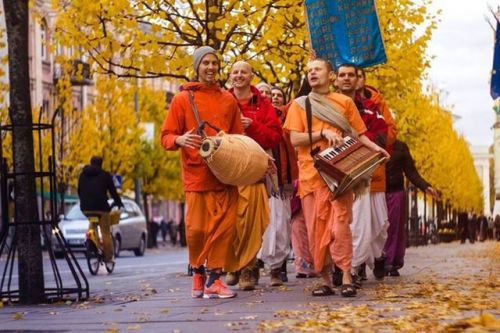
A pivotal turn emerges when a college student in India encounters the Hare Krishnas (ISKCON) near campus. Cultural familiarity with Krishna had long existed, yet the deeper orientation of Krishna Consciousness remained elusive. The search for lasting happiness felt unresolved until engagement with accessible campus programs introduced structured practice, community, and meaningful reflection. In that setting, a sense of new hope took root.
What captivated attention most was the collective chanting of a mystical mantra, experienced through kirtan and personal japa. The rhythmic repetition, musical call-and-response, and steady breath combine to cultivate attentional stability and emotional calm. Within the Bhakti Tradition, sacred sound is understood as a transformative medium that refines awareness and softens the heart toward compassion and service.
This journey reflects a broader dharmic movement from mere awareness to lived practice. Mantra meditation in Hinduism resonates with parallels across sister traditions: Naam Simran in Sikhism, mantra recitation in Buddhism, and the focused stillness of Jain samayik. Each path emphasizes remembrance, ethical clarity, and inner peace, underscoring unity in spiritual diversity rather than competition among traditions.
Campus gatherings offered more than philosophy; prasad, satsang, and gentle guidance fostered a supportive routine that helped reduce stress and clarify purpose. The combination of community, music, and meditation made practice sustainable through exams, transitions, and everyday pressures. Over time, the once-mystical chant became a reliable anchor for resilience, clarity, and joy.
For seekers discerning a starting point, brief daily periods of japa or kirtan can be effective, ideally with guidance from experienced practitioners and with respect for one’s own Ishta and tradition. The aim is not exclusivism but steady inner cultivation aligned with dharma—expressed as kindness, responsibility, and balance in daily life. Consistent practice allows initial hope to mature into confidence and well-being.
This account illustrates how a simple, welcoming program can catalyze lasting spiritual growth. Recognizing convergences among Hindu, Buddhist, Jain, and Sikh practices nurtures mutual respect and harmony. In this shared space, a mystical chant becomes more than sound; it becomes a bridge—from familiarity to realization, and from personal uplift to collective unity.
Inspired by this post on Dandavats.