On Monday, November 3, 2025, the Hindu Calendar (Panchang) notes a transition of tithi during the night: it is Shukla Paksha Dwadashi until 1:26 AM, after which Shukla Paksha Trayodashi prevails for the remainder of the day in most regions. This places the date squarely within the waxing phase of the Moon, a period traditionally associated with growth, clarity, and steady auspiciousness in many dharmic practices.
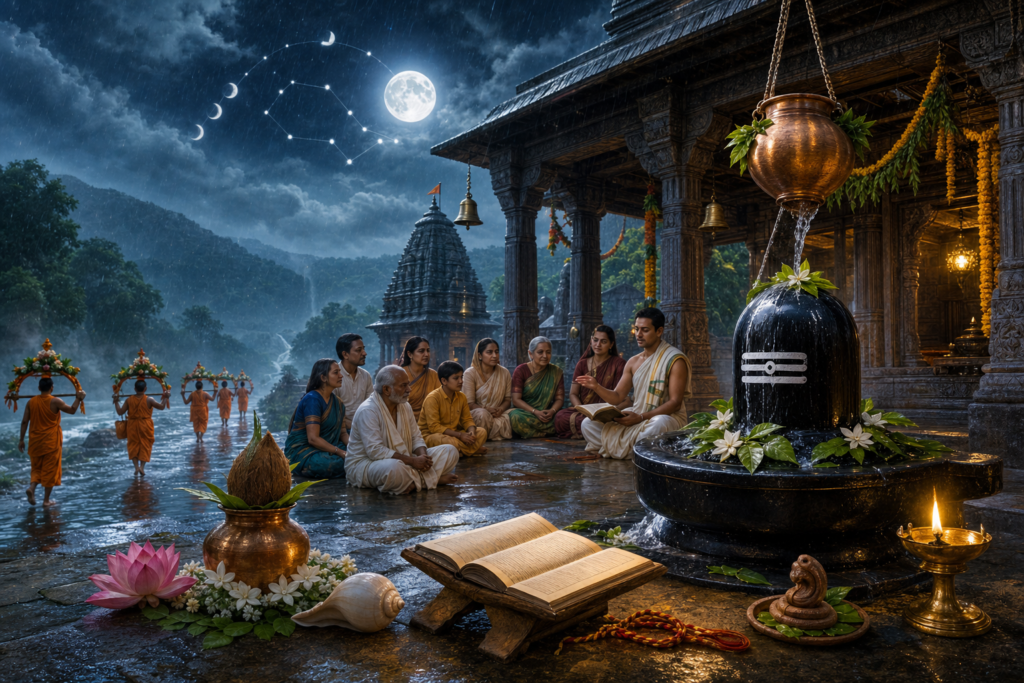
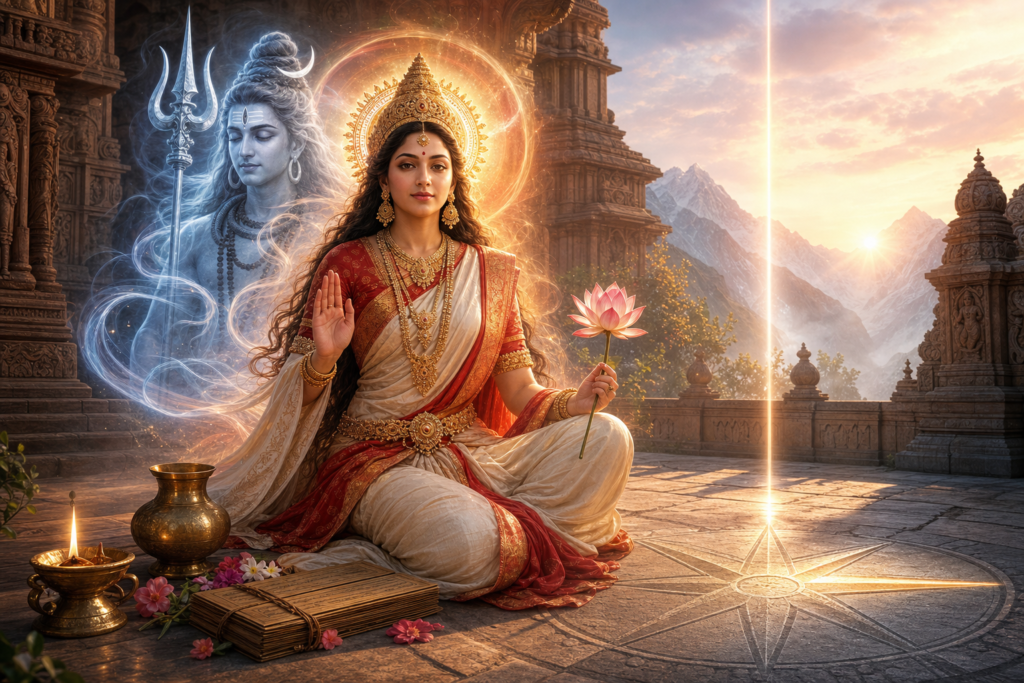
Shukla Paksha Trayodashi is the thirteenth lunar day and holds devotional significance across several sampradayas. In many households and temples, the Trayodashi evening is linked with Pradosh Vrat observances centered on inner discipline, reflection, and Shiva bhakti. While customs vary by lineage and locale, the shared emphasis is on aligning daily life with the lunar rhythm to cultivate mindful action and spiritual steadiness.
For planning worship, study, meditation, or charity (daan), it may be useful to note that the early hours of the date fall under Shukla Paksha Dwadashi, and from 1:26 AM onward the day aligns with Shukla Paksha Trayodashi. Those seeking the most precise “Good Time” (Shubh Muhurat), Nakshatra, and Rashi should consult a regional Panchang, as these factors are highly location- and time-specific. Such refinement supports important life events and routine sadhana alike without overgeneralizing timings across geographies.
Across the broader dharmic fabricHinduism, Buddhism, Jainism, and Sikhismlunar mindfulness nurtures a sense of shared time and collective remembrance. Many communities observe tithi-based vratas, collective recitation, or reflective practices during the waxing fortnight, reinforcing unity and mutual respect. This inclusive approach honors diverse spiritual pathways while cultivating a common rhythm that strengthens cultural cohesion.
In many regions, this period corresponds with Karthika masam, when families and communities often emphasize lamps, cleanliness, and heightened vrata-dharma. Whether engaging in a simple home puja, temple visit, or quiet meditation, aligning intention with the day’s tithi offers a structured, time-tested way to deepen practice. Checking a local Panchang for Nakshatra, Rashi, and city-specific Muhurat ensures accuracy while keeping the spirit of shared observance intact.
Inspired by this post on Hindu Blog.