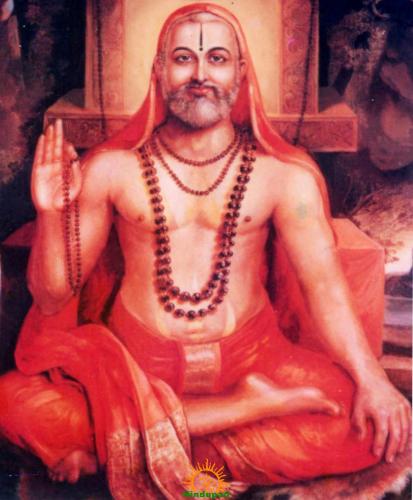
The eighteen-faced Rudraksha, known as the Astadasa Mukhi, is traditionally associated with Mother Earth (Bhumi). In dharmic understanding, it symbolizes nourishment, stability, and patient strengthqualities that support a life grounded in responsibility, compassion, and ecological awareness. This bead holds a revered place in Hindu spirituality while reflecting a wider dharmic reverence for the Earth shared across Hinduism, Buddhism, Jainism, and Sikhism.
Identification of the Astadasa Mukhi is based on its eighteen natural facets (mukhas), which appear as distinct lines running from one end of the bead to the other. These uninterrupted, naturally formed lines are a primary marker of authenticity. As with all sacred objects, ethical sourcing and careful examination by knowledgeable practitioners are recommended.
Puranic literature variously narrates Bhumi’s origin and sanctity. One notable strand describes Earth arising from the sweat of Madhu and Kaitabha, situating Bhumi as both the field and foundation of all life processes. In this lens, the eighteen-faced Rudraksha becomes an emblem of the sustaining principlesteadfastness, fertility, and the enduring capacity to support growthin alignment with the broader ideals of dharma.
Devotees and practitioners often describe the Astadasa Mukhi as fostering groundedness, clarity in decision-making, and resilience during periods of transition. In practice, these qualities translate into steadier routines, more measured speech, and a deepened commitment to seva (selfless service) and ecological stewardshipshared values celebrated across dharmic traditions. Such experiential reports align with the bead’s association with Bhumi and a life lived in equilibrium with natural and social responsibilities.
Ritual use generally emphasizes purity, intention, and consistency. The bead may be worn after sanctification or kept respectfully on a home altar. Common observances include gentle cleaning, avoiding contact with harsh chemicals, and maintaining a sattvic routine around japa. As traditions vary by sampradaya and family practice, consulting a knowledgeable guru or priest ensures alignment with one’s lineage and facilitates respectful observance.
Mantra recitation is traditionally paired with this bead to invoke Bhumi’s protective and stabilizing energy. Widely practiced options include: (1) Bhumi Gayatri: “Om Prithvi Devyai Vidmahe, Jagat-Dhatryai Dhimahi, Tanno Bhumi Prachodayat,” and (2) “Om Namah Shivaya,” the timeless Shaiva mantra that sanctifies Rudraksha practice. Lineage-specific mantras may also be used; variations are acceptable when guided by a competent teacher, honoring both scriptural insight and lived tradition.
From an ethical and practical standpoint, authenticity matters. Genuine beads present clear, continuous mukhas; overly uniform or artificially carved lines indicate tampering. Reputable sourcing, non-invasive inspection, and respectful handling safeguard both the bead’s physical integrity and its ritual value. When in doubt, seek guidance from established sources within the community.
The Astadasa Mukhi offers a potent reminder of shared dharmic values: reverence for Mother Earth, ahimsa toward all beings, mindful consumption, and service to the community. These principles resonate across Hinduism, Buddhism, Jainism, and Sikhism, affirming unity in diversity. Approached with humility and discernment, the eighteen-faced Rudraksha serves as a sacred aid for cultivating steadiness of mind, ecological responsibility, and compassionate action.
Inspired by this post on Hindu Pad.