Adhika Maasa is a special intercalary month in the Hindu lunisolar calendar, set aside for spiritual intensification and inner discipline rather than outward celebration. In 2026, Adhika Maasa begins on 17 May and ends on 15 June; this cycle is specifically Adhik Jyeshta Maas. Across many Hindu traditions, this interval is also honored as Purushottama Masa, with emphasis on vrata, japa, daana, and parayana. The core practical question each year is the same: which ceremonies are best deferred, and which practices are encouraged for dharmic and spiritual benefit?
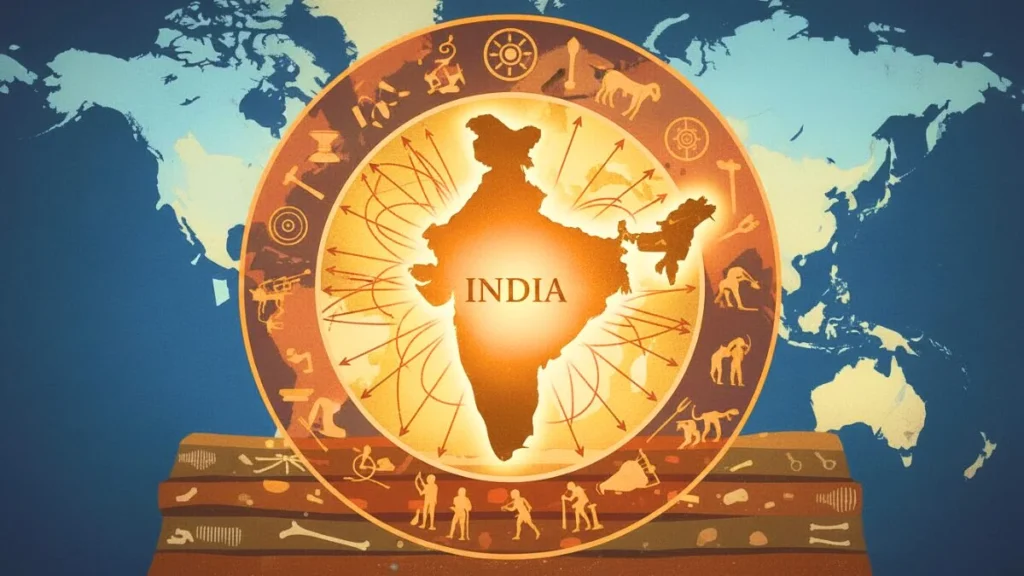
From a calendrical standpoint, Adhika Maasa reconciles the approximately 11-day annual gap between twelve lunar months (about 354 days) and the solar year (about 365 days). Because a lunar month is defined by phases of the Moon (synodic month ≈ 29.53 days), an extra month is periodically insertedroughly every 32.5 monthsto realign lunar months with the Sun’s course. Technically, a lunar month in which no solar transit (saṃkrānti) occurs is designated as an adhika (extra) month.
In 2026 the extra month falls in the Jyeshta segment, hence the designation Adhik Jyeshta Maas. Regional panchang traditions (āmānta and pūrṇimānta reckonings) may label month-boundaries differently, but the practical guidance about what to avoid or adopt remains broadly consistent across India and the Hindu diaspora.
The dharmic logic for restraint in Adhika Maasa is rooted in classical Dharmaśāstra categories of action: nitya (daily obligatory), naimittika (occasion-based obligatory), and kāmya (desire-driven, elective). Adhika Maasa privileges nitya and naimittika dharmas while placing kāmya-karmasespecially worldly “new beginnings”on pause. Smriti texts and Puranic narrations, including the widely read Adhika Maasa (Purushottama) Mahatmya, frame this time as ideal for tapas and prayaschitta rather than public festivity.
Accordingly, marriages (Shubha Vivaha) are generally deferred during Adhika Maasa. The rationale is neither stigma nor fear, but alignment: marriage inaugurates a new household cycle, and tradition encourages such “launch moments” to await a standard lunar month supported by auspicious muhurta. Where unavoidable legal or logistical constraints exist, families consult a qualified purohita for a remedial plan and a minimal, non-lavish approach, with the formal celebration scheduled after Adhika Maasa.
House inaugurations and housewarming ceremonies (Griha Pravesh), commercial openings, and public inaugurations are ordinarily postponed. Beginning residence in a new dwelling, consecrating a new workplace, or launching a showroom or factory are emblematic of kāmya initiatives; deferring them underscores Adhika Maasa’s contemplative ethos. If occupancy cannot be delayed for practical reasons, a simple Ganesha or Satyanarayana puja for well-being may be performed, with the full Griha Pravesh and vastu śānti scheduled after 15 June 2026.
Mundan Sanskara (tonsure) and other childhood samskaras such as Namakarana (naming), Annaprashana (first-feeding), and Karnavedha (ear piercing) are commonly deferred. These rites are celebratory milestones symbolizing transition, and are thus classed among desired, elective samskaras. If health or age-specific medical advice dictates an earlier date, tradition allows for exceptions under the guidance of a competent priest, balancing dharmic intent with child welfare.
Upanayana (sacred thread initiation) is typically avoided during Adhika Maasa for the same reason: it marks a decisive new phase of study and discipline. Families emphasizing continuity may choose to focus on preparatory adhyayana and daily sandhya-vandana during this month, reserving formal initiation for a subsequent auspicious window.
Starting new businesses, signing major contracts, making large speculative investments, and registering property purchases are commonly postponed. These activities initiate long-term trajectories and are placed under the broader caution for kāmya undertakings. Planning, due diligence, skill-building, and compliance work can continue so that decisions post-Adhika Maasa are informed and timely.
Large-scale leisure travel, opulent social gatherings, and conspicuous consumption are also tempered. Adhika Maasa favors simplicity, savings redirected to charity (daana), and mindful use of time and resources. Families often repurpose evenings for parayana, collective chanting, or quiet study instead of entertainment-heavy itineraries.
It is important to note what is not prohibited. All nitya karmassuch as Sandhya, daily puja, Agnihotra for those qualified, and routine temple worshipcontinue without interruption. Naimittika duties tied to specific tithis, including Amavasya tarpanam and the ongoing monthly māṣika śrāddha for a departed ancestor within the first year, are observed as appropriate. In brief, obligatory dharmas proceed; elective, celebratory samskaras and new initiatives wait.
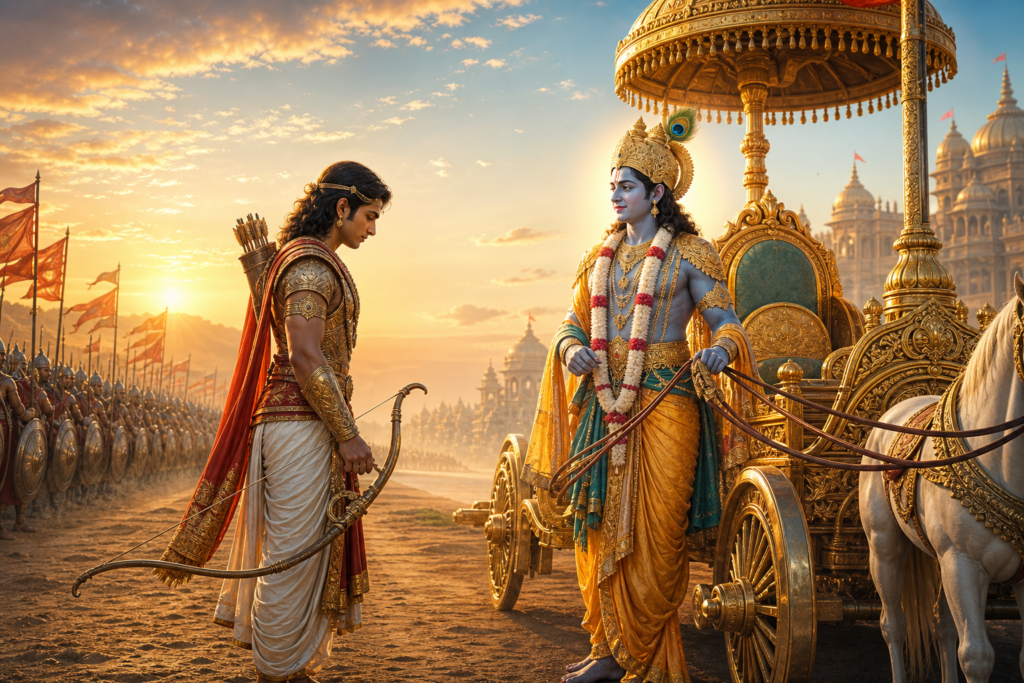
Spiritual practices actively recommended in Adhika Maasa include vrata, japa, dhyana, and tirtha-snāna where feasible. Parayana of texts such as Vishnu Sahasranama, Bhagavad-Gita, Srimad Bhagavata Purana, and the Purushottama Mahatmya is particularly esteemed. Many households adopt a sankalpa for daily chantingOm Namo Bhagavate Vāsudevāya or other mantras received in paramparaand channel savings from deferred ceremonies into anna-dāna, gau-seva, and community welfare.
Within the Vaishnava tradition, Adhika Maasa is celebrated as Purushottama Masa and is considered spiritually potent rather than “inauspicious.” The emphasis lies in consciously directing time and intent toward bhakti and self-purification. The Puranic narratives consistently portray the month as a rare opportunity to accrue satvika merit, reconcile inner conflicts, and cultivate steadiness in sadhana.
Ekadashi observances during Adhika Maasa are noteworthy. The Shukla Paksha Ekadashi is often referred to as Padma Ekadashi and the Krishna Paksha Ekadashi as Parama Ekadashi in this month’s context; both are upheld as exceptionally fruitful for vrata, upavasa adapted to one’s health, and focused remembrance of the Divine. Observing these with sincerity anchors the month’s inward momentum.
Acts of charity (daana) and service (seva) during Adhika Maasa harmonize with shared dharmic values across Hinduism, Buddhism, Jainism, and Sikhism. The ethos of restraint, compassion, and communal uplift echoes Buddhist uposatha reflections, Jain paryushana-like austerities, and Sikh seva through langar and community care. Honoring these convergences nurtures inter-dharmic goodwill and reminds practitioners that inner discipline and compassion are universal spiritual currencies.
Regional and lineage-based variations should be respected. Panchang computations vary globally due to longitude and time-zone differences, and some paramparas may permit certain samskaras during Adhika Maasa. Households benefit from consulting their local panchang and a trusted guru, acharya, or purohita for clarity on exceptions, especially where medical, legal, or occupational imperatives constrain timing.
For 2026 planning, the practical window is clear: Adhika Maasa spans 17 May to 15 June. Families and institutions can earmark post-15 June dates for Shubha Vivaha, Griha Pravesh, Mundan Sanskara, Upanayana, business inaugurations, and other elective beginnings. Meanwhile, this month’s cadence can be shaped around prayer, study, community service, and financial prudence.
A pragmatic checklist helps. First, confirm local start-end timings in the regional panchang. Second, defer “new-beginning” samskaras and inaugurations into suitable muhurats after 15 June 2026. Third, adopt a simple Adhika Maasa sankalpabe it daily parayana, fixed-count japa, or a steady dana commitment. Fourth, keep all nitya and naimittika duties intact, including monthly śrāddha where applicable. Fifth, close Adhika Maasa with gratitude and a realistic schedule for postponed milestones.
Adhika Maasa is not a period of fear or restriction; it is a disciplined sabbatical for the soul. When honored as a month of mindful pause, it deepens clarity, steadies intention, and sanctifies the ceremonies that follow. By aligning worldly beginnings with auspicious muhurta after 15 June 2026and consecrating the intervening days to study, devotion, and servicehouseholds weave both order and meaning into the yearly spiritual rhythm.
Inspired by this post on Hindu Pad.