Vaikuntha is described in Hindu scriptures as the supreme abode of Lord Narayana, a realm beyond the boundaries of time, decay, and material causality. Unaffected by the fluctuations of prakriti, it stands as the archetype of harmony, truth, and spiritual plenitude within Sanatana Dharma.
Within this sacred realm dwell the Nityasuriscelestial attendants who remain eternally liberated from the cycle of karma. Their continuous service to Narayana is not transactional but expressive of pure devotion (bhakti), operating in the mode of shuddha-sattva, and signifying an ordered universe sustained by dharma.
Symbolically, the Nityasuris embody the ideals that seekers strive to cultivate: selfless service (seva), unwavering remembrance of the Divine (smarana), humility in strength, and steadfastness in truth. In the Bhakti Tradition, they represent the culmination of devotion that matures into spontaneous love and unbroken service, guiding practitioners from ritual observance to interiorized awareness.
Classical portrayals highlight figures such as Garuda, Adiśeṣa (Ananta), and Vishvaksena. Garuda signifies courageous devotion and protective vigilance; Adiśeṣa conveys patient strength and the sustaining ground of cosmic order; Vishvaksena personifies discipline and wise governance of the sacred realm. Together, they illustrate how power, knowledge, and loyalty become sanctified when aligned with the will of the Divine.
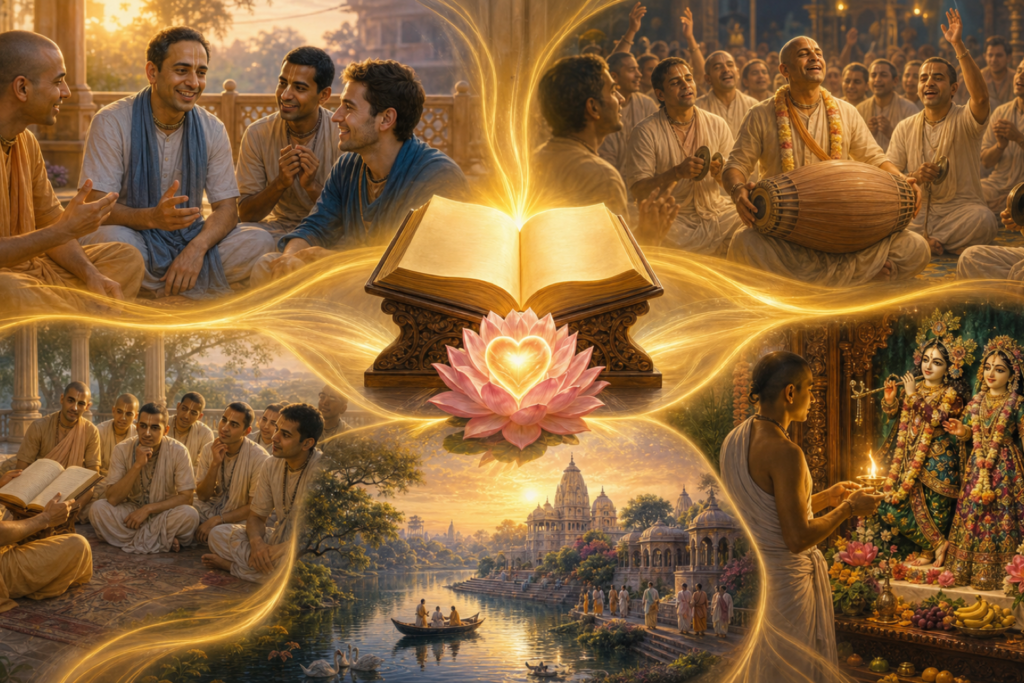
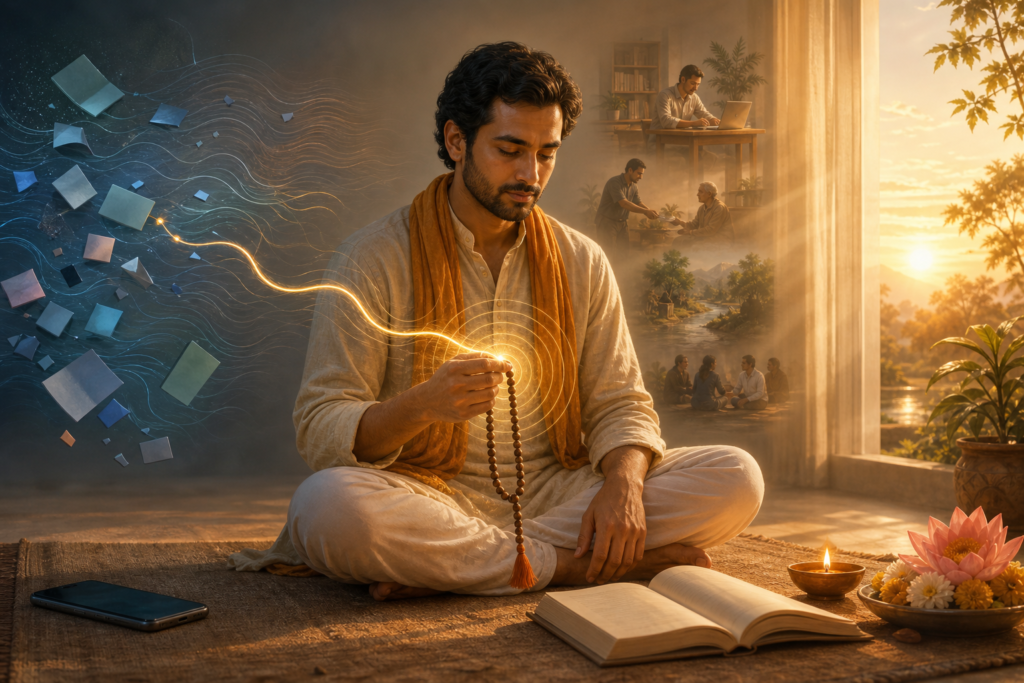
For many practitioners, the contemplation of Nityasuris during japa, kirtana, or recitation of the Vishnu Sahasranama brings a felt sense of assurance and interior quietude. The imagery of eternal attendants serving without fatigue becomes a practical meditation cueinviting steadiness of attention, softening of ego, and a gentle return to purpose throughout the day.
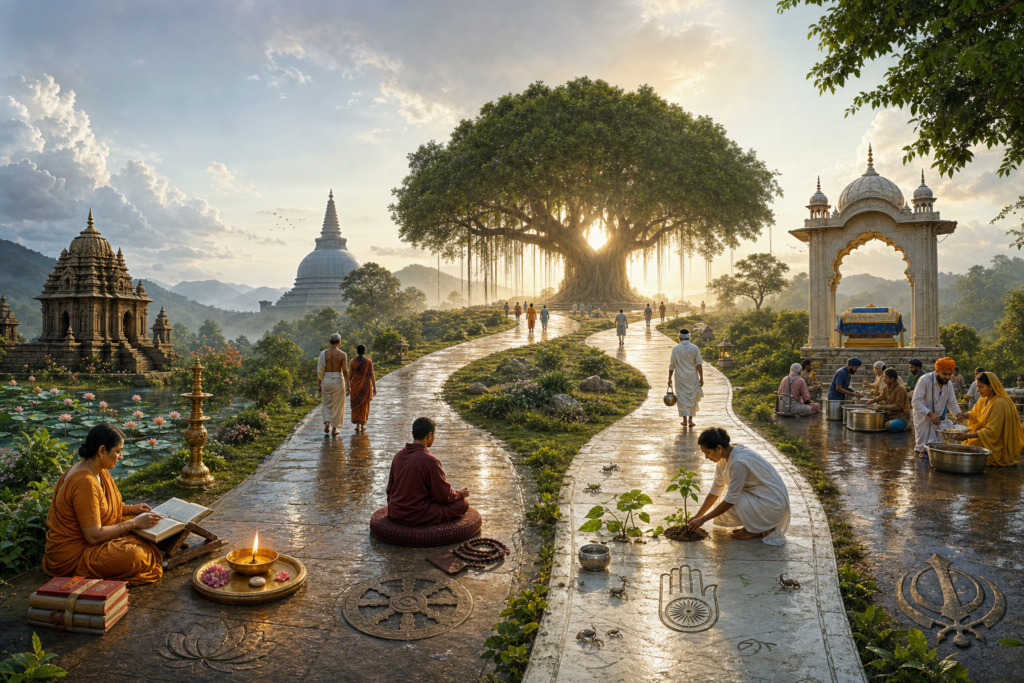
Their symbolism also carries an ethical imperative. In everyday lifewithin family, community, and professional settingsservice grounded in integrity reflects the Nityasuri ideal. Parallels across dharmic traditions illuminate this shared ethos: the Buddhist emphasis on compassionate presence, the Jain commitment to purity and non-violence (ahimsa), and the Sikh tradition of seva each affirm the value of selfless action. Such resonances strengthen inter-traditional understanding while honoring distinct paths.
Philosophically, the Nityasuris refract key concepts from Hindu scriptures: moksha as freedom from karmic bondage, dharma as the sustaining order, and Vaikuntha as a realm where time does not erode meaning. Their eternal status illustrates how devotion, when purified, transcends dualities of doer and deed; service becomes an expression of being, not merely an action with results.
As a contemplative model, the Nityasuris invite practitioners to move from aspiration to embodiment: aligning intention with remembrance, cultivating humility in success, and offering one’s skills as worship. In this way, the symbolism of Vaikuntha becomes lived spiritualitytransforming duty into joy and responsibility into grace.
Ultimately, the Nityasuris of Vaikuntha stand as enduring archetypes of spiritual maturity. They remind seekers that true freedom blossoms with loving service, that inner clarity arises from disciplined devotion, and that unity across dharmic traditions is nourished through shared commitments to compassion, truth, and the timeless pursuit of the Divine.
Inspired by this post on Hindu Blog.