The ancient Hindu scriptures convey profound spiritual insights through symbolic narratives that transcend mere history. Among these, the sacred account of Lord Muruganalso known as Kartikeya or Skandaand the asura Surapadman is frequently read as a metaphor for inner transformation. Rather than celebrating external conquest, the narrative illuminates a disciplined, compassionate, and discerning path by which ignorance and ego are recognized, engaged, and ultimately transfigured.
In this interpretive lens, Murugan embodies awakened intelligence (viveka), clarity, and steadfast dharma, while Surapadman represents fragmented desire, fear, and the conceit of ego (ahamkara). Murugan’s vel (spear) signifies incisive wisdom that cuts through delusion, not persons; the battlefield becomes the interior terrain of mind, intention, and habit. The story thus functions as Dharma-Yuddha: a righteous struggle that refines character and restores inner harmony.
Read as spiritual psychology, the unfolding “battle” mirrors stages of sadhana. Preparation indicates moral grounding and self-discipline; confrontation reveals unseen tendencies; transformation arises when insight and grace transmute reactive patterns into clarity and compassion. Within the broader yoga traditions, this arc aligns with Karma Yoga (purifying action), Bhakti (devotional surrender), Jnana (discriminative insight), and Raja Yoga (mastery of mind). Each path contributes a complementary method for engaging the same interior work.
This symbolism resonates with classical frameworks. In Patanjali’s language, wisdom must address the kleshasavidya (misapprehension), asmita (ego-identification), raga and dvesha (attachment and aversion), and abhinivesha (clinging to insecurity). Murugan’s vel, read metaphorically, penetrates avidya and asmita, allowing attention to return to its source and ethical action to flow without compulsion. Victory is evidenced not by domination, but by humility, equanimity, and loving responsiveness.
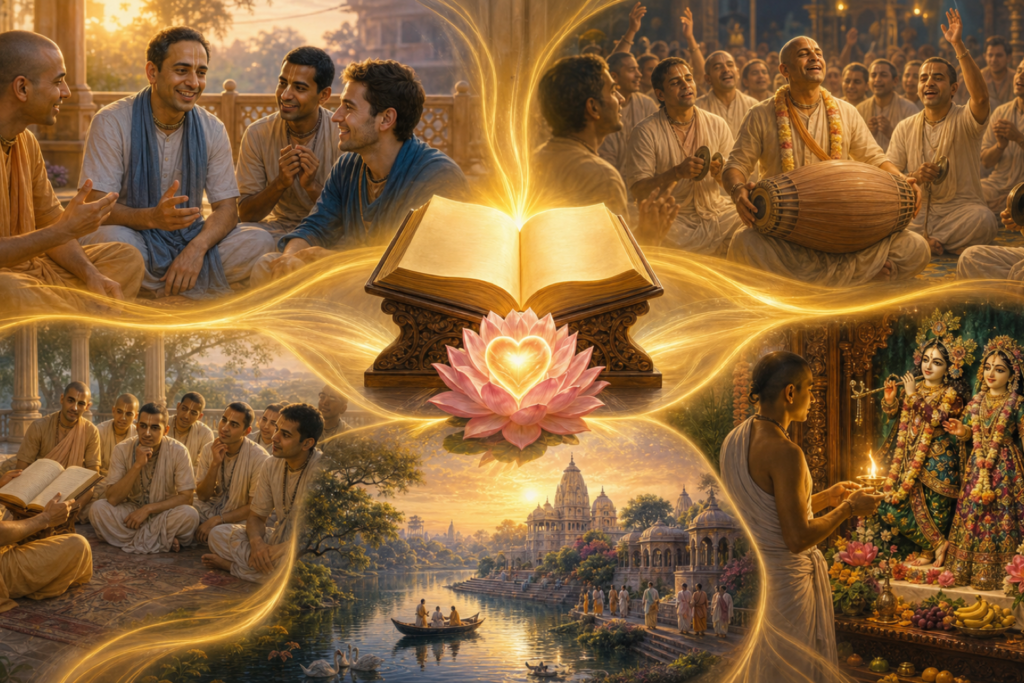
Living traditions keep this inner reading vibrant. In observances such as Skanda Shasti, practitioners adopt vrata (vows), japa, and reflective study to purify intention, remembering that ritual without inner alignment risks performance over transformation. Community devotion, songs, and stories reinforce the ethical insight that the true foe is never a neighbor but one’s own confusion and harmful tendencies.
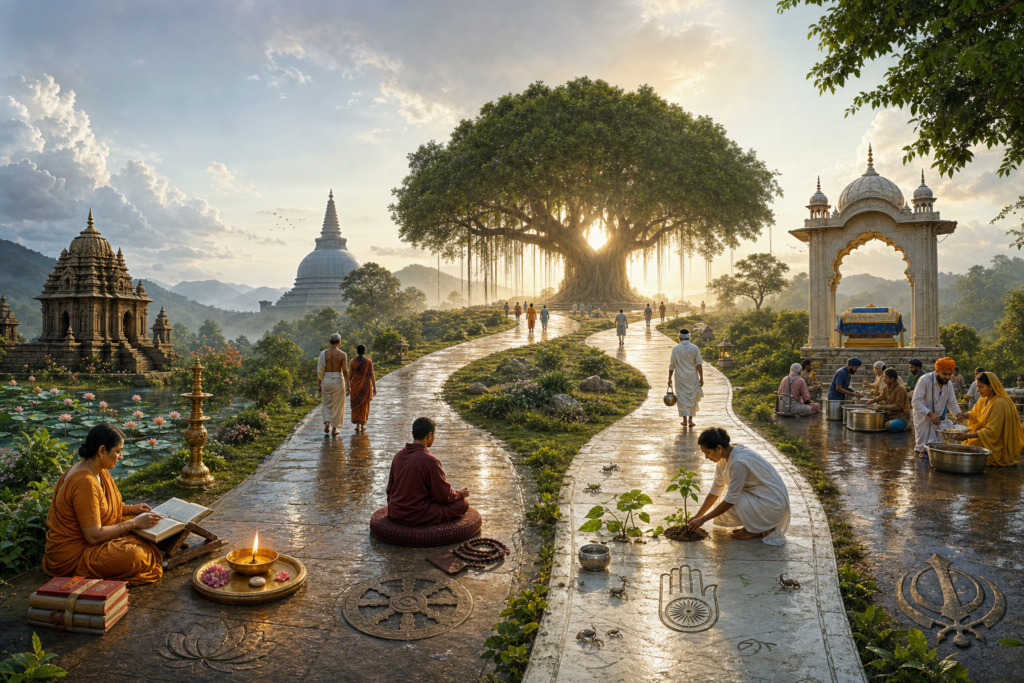
Importantly, this inner-war paradigm harmonizes with the shared wisdom of other Dharmic traditions. Buddhism frames liberation as the overcoming of Mara and the kleshas through mindfulness and compassion. Jainism emphasizes conquering the kashayas (anger, pride, deceit, greed) through ahimsa, restraint, and clarity. Sikh teachings speak of overcoming haumai (ego) through remembrance of the Divine Name and selfless service. Across these lineages, the “battle” is inward, the “weapons” are wisdom and virtue, and the “victory” is freedom from suffering and separation. This convergent message strengthens unity in spiritual diversity.
Practical application follows naturally. Daily breath awareness steadies attention; ethical commitments in speech and livelihood align conduct with dharma; contemplative inquiry exposes unexamined motives; and seva (service) softens ego-centeredness. For devotees of Murugan, mantras such as “Om Saravanabhava” can anchor devotion while the vel is visualized as discernment cutting through confusion. In every case, progress is measured by reduced reactivity and increased empathy.
The narrative also carries an ethical safeguard: inner conquest never licenses outer harm. The tradition’s emphasis on ahimsa, compassion, and self-restraint insists that Dharma-Yuddha is fundamentally about transforming intent, not justifying aggression. When insight ripens, courage expresses as patience, and strength expresses as care for all beings.
Read in this light, Murugan’s victory over Surapadman becomes a universal guide to inner freedom. It invites seekers to integrate devotion with discernment, to marry discipline with compassion, and to recognize that the end of conflict is not annihilation but awakening. In honoring this shared Dharmic wisdomHindu, Buddhist, Jain, and Sikhthe narrative serves unity: diverse paths, one humane commitment to truth, dignity, and liberation.
Inspired by this post on Hindu Blog.