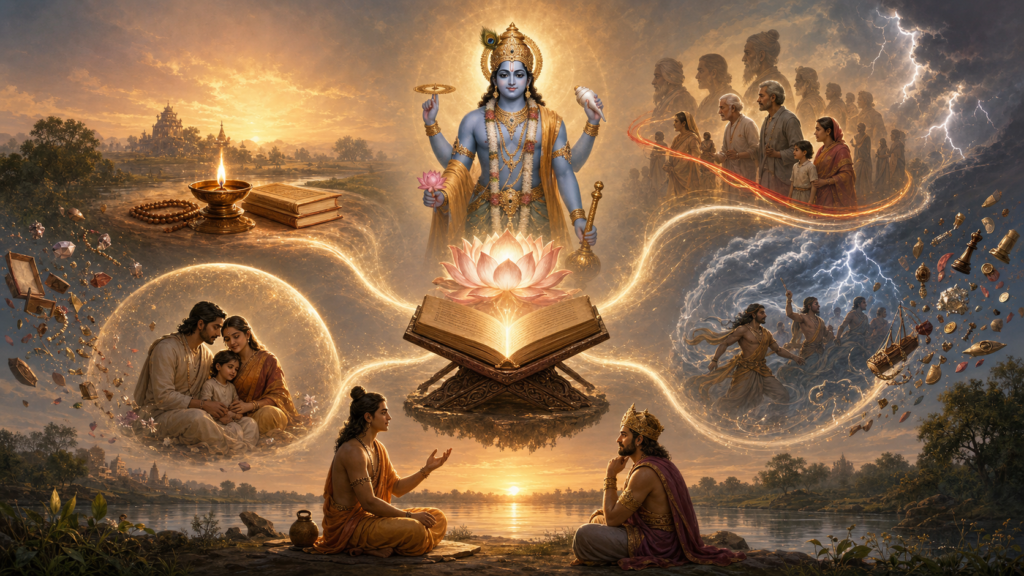
A deeply personal account describes the moment a long-awaited first-born child received a diagnosis of autism and intellectual disability. The initial impact felt indistinguishable from bereavement, producing intense grief, disorientation, and a collapse of daily functioning. Such a diagnosis often destabilizes identity, expectations, and professional focus, and in this case led to a dramatic decline in performance and confidence at work.
In that crisis, self-pity emerged as a powerful yet ultimately unproductive response. The repeated lament, “Why me, God?” captured the emotional paralysis and isolation that frequently accompany overwhelming news. This phase aligns with common patterns of coping in which the mind searches for meaning yet becomes entangled in blame and despair.
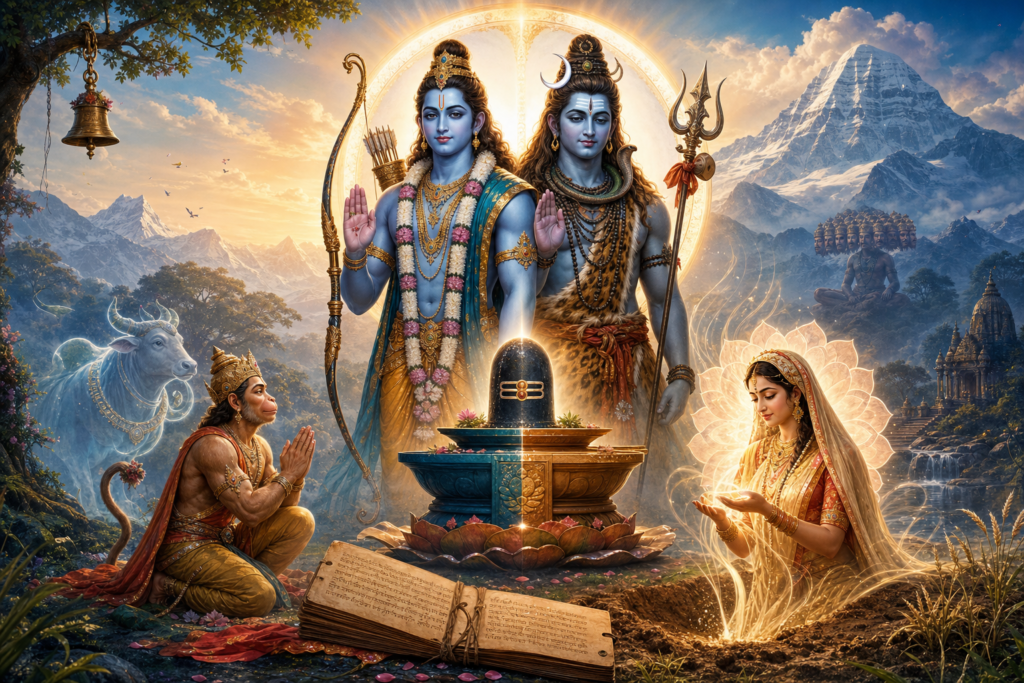
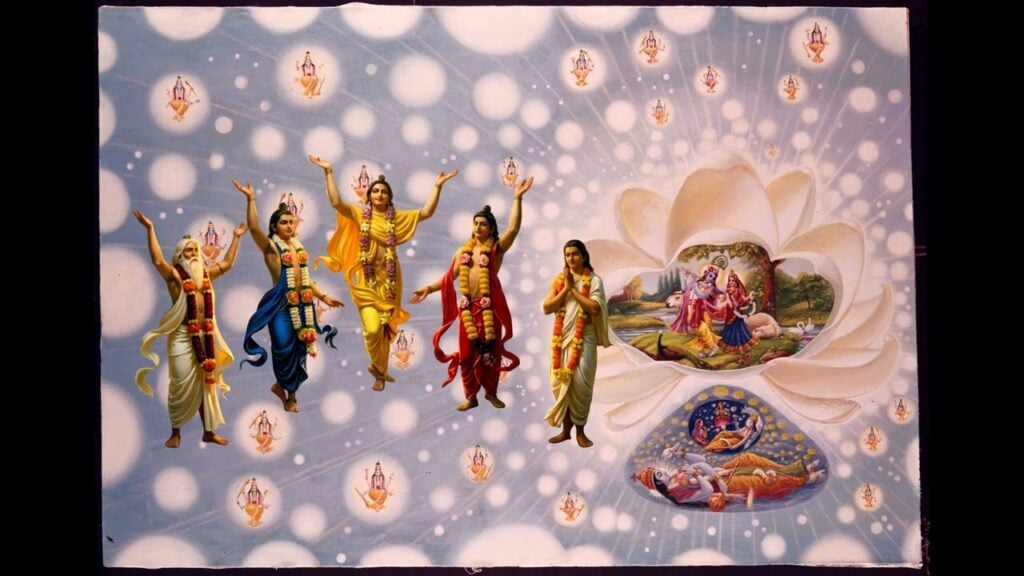
A turning point arrived through a direct, urgent appeal to Krishnaan invocation described as if facing death itself. Through grace and disciplined inner work informed by Dharma, the experience gradually transformed from anguish to Acceptance. Self-pity was recognized as a futile state, and spiritual harmonization from within enabled a pivotal reframing: the question evolved from “Why me, God?” to “Why not me, God?” This shift illustrates Emotional resilience and Inner transformation as lived realities rather than abstract ideals.
Viewed through a dharmic lens, this trajectory resonates across Hinduism, Buddhism, Jainism, and Sikhism. Each tradition cultivates compassion, equanimity, and responsibilityvalues that help families navigate neurodiversity with dignity. Practices such as japa and bhakti (Hinduism), mindfulness and kṣāntipatient endurance (Buddhism), ahiṃsā and aparigrahanon-attachment (Jainism), and seva and simranremembrance (Sikhism), collectively support a Spiritual Journey from grief to grounded acceptance. Together they foster inner steadiness, reduce self-referential sorrow, and open the heart to service.
Crucially, the narrative highlights a respectful, compassionate orientation toward neurodiversity. The reframing from stigma to reverence for difference strengthens family bonds, clarifies purpose, and affirms the inherent worth of every child. The path of Dharma encourages seeing challenges as invitations to deepen wisdom, broaden empathy, and live one’s responsibilities with courage.
The resulting insight is academically clear and emotionally resonant: Acceptance is not passive resignation but an active alignment of intention, action, and devotion. By releasing self-pity, cultivating presence, and relying on divine remembrance, it becomes possible to convert suffering into meaningful growth. In this way, faith in Krishna sits comfortably alongside a broader dharmic commitment to compassion, unity, and serviceprinciples that guide families toward enduring healing and hope.
Inspired by this post on Dandavats.