
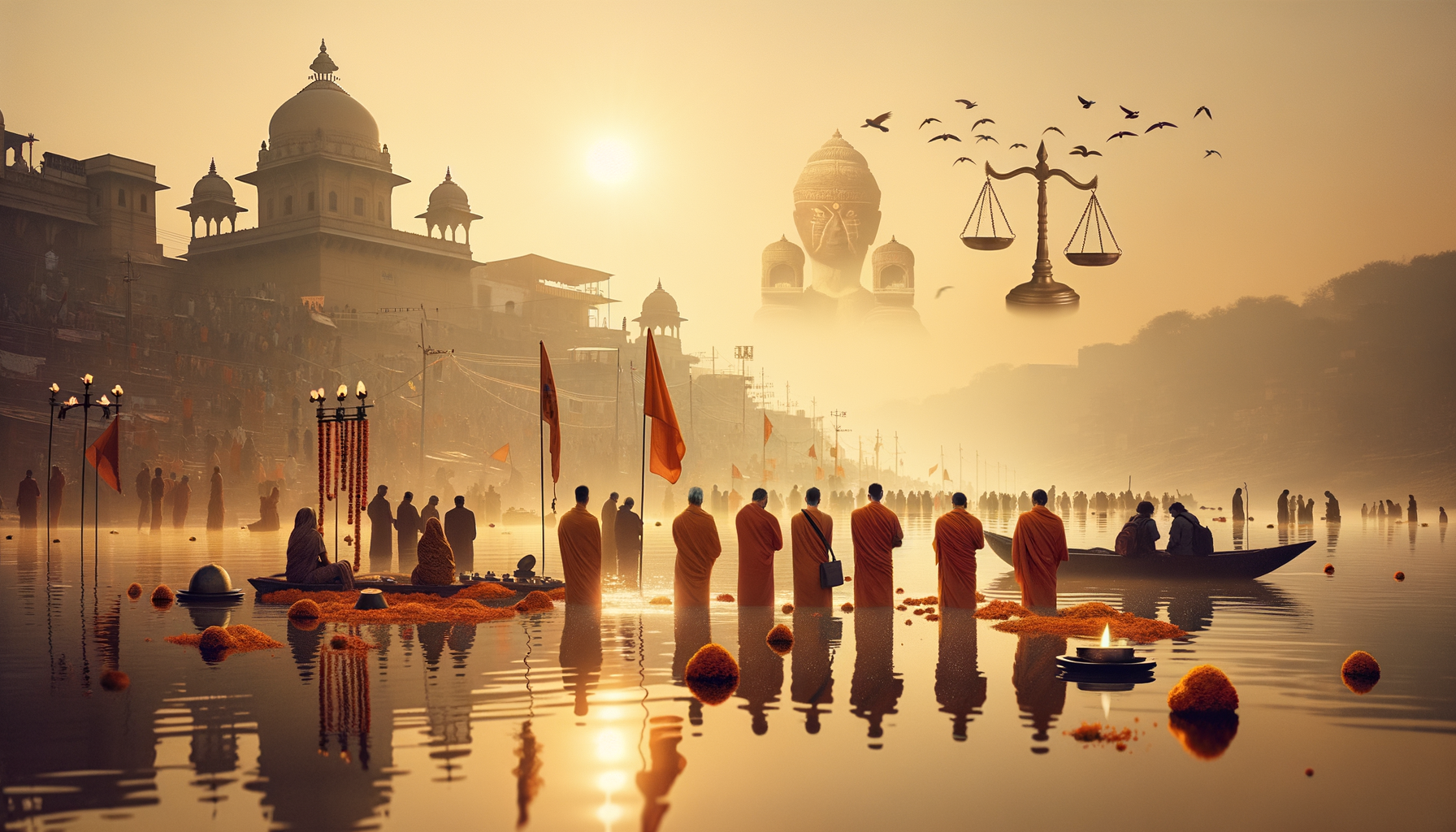
Activists from various pro-Hindu organisations have filed a complaint against journalist Niranjan Takle, alleging derogatory comments about Saints and Sadhus attending the Simhastha Kumbh Mela. The filing underscores broader public concerns about how sacred gatherings and religious figures are portrayed in contemporary media and public discourse.
The Simhastha Kumbh Mela holds profound significance within Hindu traditions as a massive pilgrimage that centers on devotion, service, and community. For many devotees, the Mela is not only a spiritual confluence but also a living expression of India’s cultural heritage, where reverence for Saints and Sadhus is integral to the ethos of the event. These values of nonviolence, self-discipline, and mutual respect resonate across dharmic traditions, including Buddhism, Jainism, and Sikhism, strengthening a shared commitment to dignity and harmony.
Community voices have emphasized that disparaging language toward religious practitioners can erode social cohesion and injure the right to freedom of worship. While critique and commentary are cornerstones of democratic society, responsible speech remains essential to preserving pluralism and ensuring that civic debate does not devolve into disrespect or polarization.
The matter also raises questions of journalism ethics and media accountability. Balanced reporting, cultural sensitivity, and contextual understanding are crucial when engaging with living traditions such as the Kumbh Mela. Thoughtful coverage can foster constructive dialogue, whereas careless remarks risk deepening distrust and communal strain.
Observers note that for countless pilgrims, the lived experience of Simhasthasharing simple meals, listening to spiritual discourses, and witnessing sacred ritualscreates a powerful sense of belonging. In this atmosphere, Saints and Sadhus function as guides and exemplars, and any perceived denigration of their role is felt personally by devotees who regard the Mela as a milestone in their spiritual journey.
Within the broader dharmic framework, dignity for all paths and practitioners is a unifying principle. Hinduism’s plurality, along with the contemplative ethics of Buddhism, the discipline and nonviolence central to Jainism, and the seva-oriented spirit of Sikhism, invites a shared commitment to respectful engagement. Upholding this spirit strengthens unity in diversity and contributes to interfaith and intrafaith harmony.
As due process unfolds, a constructive path forward includes community dialogue, educational outreach on cultural literacy, and clearer professional standards for public commentary. Such steps can reduce miscommunication, encourage empathy, and reaffirm that disagreement can be expressed without derision, especially when matters of faith and identity are involved.
Ultimately, the complaint serves as a reminder that safeguarding cultural heritage and free expression requires balance. A commitment to respectful discourse, the rule of law, and unity among dharmic traditions can help ensure that the Simhastha Kumbh Melaand the people who embody its valuesare engaged with accuracy, care, and dignity.
Inspired by this post on Hindu Jagruti Samiti.










