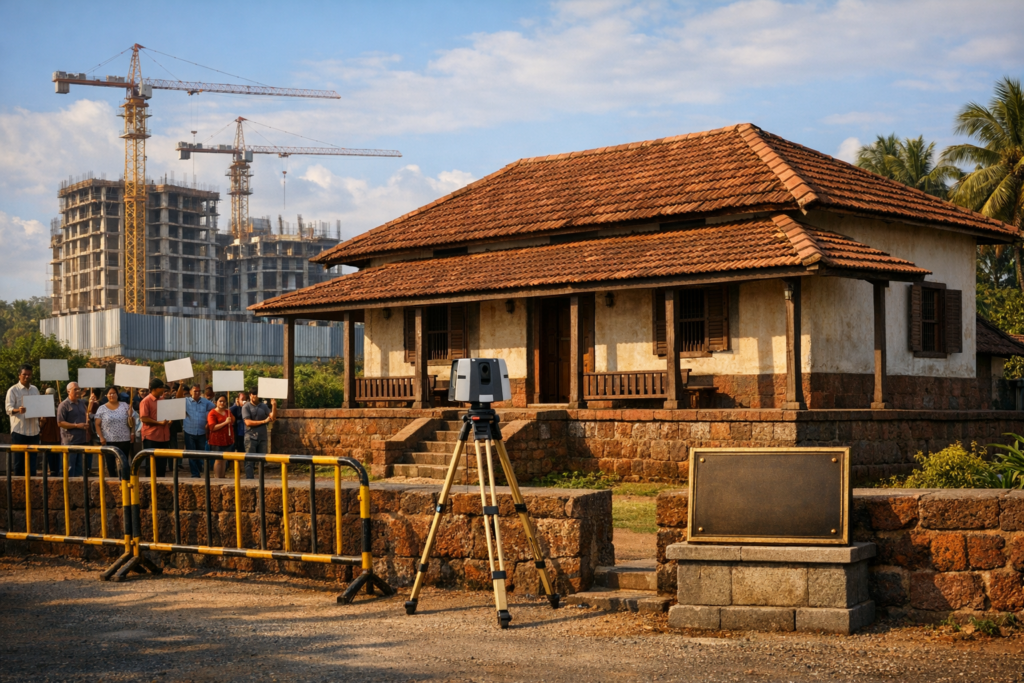
Namaz was conducted at Narayan Talab, a public space in Chiplun, amid objections from some residents. In the aftermath, questions emerged regarding the timeliness of administrative action, while several pro-Hindu organisations called for a legal review and accountability from the Municipal Council. The episode highlights a recurring civic challenge: how to balance freedom of worship with orderly, equitable use of shared urban spaces.
From a governance perspective, the issue centers on the rule of law and consistent municipal processes. India’s constitutional guarantees protect freedom of religion and peaceful assembly, yet these rights are implemented through local bylaws, permissions, and time-place-manner regulations designed to safeguard accessibility, safety, and non-discrimination. Transparent, even-handed enforcement—applied uniformly across communities—reduces friction and enhances public trust in institutions.
Community responses in Chiplun reflect a familiar pattern across Indian towns: some citizens raised concerns about the lawful use of common spaces and public convenience, while others emphasized the right to perform religious observances. Constructive dialogue can transform such moments into opportunities for unity. In line with dharmic values embraced by Hindu, Buddhist, Jain, and Sikh traditions—mutual respect, non-harm, and shared responsibility—interfaith cooperation offers a practical pathway to uphold both rights and responsibilities in public life.
Several measures can help align practice with principle. First, the Municipal Council can publish clear standard operating procedures (SOPs) for any religious or community event in public places, detailing application requirements, safety norms, time windows, and crowd management protocols. Second, a time-bound, public-facing permissions dashboard can improve transparency and reduce perceptions of bias. Third, designated zones for large gatherings—rotated fairly when feasible—can minimize disruptions while honoring cultural and religious needs.
Equally important are mechanisms for dialogue and rapid response. An interfaith and community liaison committee, facilitated by the Municipal Council, can mediate concerns before events, share traffic and sanitation plans, and coordinate volunteers across groups. Clear public communication—what is permitted, when, and why—helps prevent speculation, while non-discriminatory enforcement reassures residents that the same rules apply to all. Such steps have proven effective in comparable urban settings and can be adapted to Chiplun’s context.
Handled responsibly, the incident at Narayan Talab can strengthen rather than strain social cohesion. Timely administrative clarity, lawful use of public spaces, and a culture of respectful engagement can together ensure that civic life remains inclusive, predictable, and fair. In this way, Chiplun can model how constitutional freedoms and community harmony reinforce each other—preserving the sanctity of both public order and religious practice.
Inspired by this post on Hindu Jagruti Samiti.