Raising Fearless Children: Powerful Parenting Lessons from Dharmic Wisdom and Practice
Fearlessness in childhood is not a call to recklessness; rather, it is an inner steadiness shaped by dharma, compassion, and clarity. Across Hinduism, Buddhism, Jainism, and Sikhism, courage emerges from alignment with values such as ahimsa, satya, aparigraha, maitri, karuna, and seva. When parenting lessons are grounded in these dharmic traditions, children learn to face uncertainty with calm, curiosity, and responsibility.
Research and lived experience converge on a simple truth: secure attachment is the foundation of courage. Consistent routines, warm attention, and clear boundaries create a predictable world in which children are more willing to explore. Many families observe that when expectations are explained and upheld with empathy, children display greater self-belief and emotional resilience in unfamiliar situations.
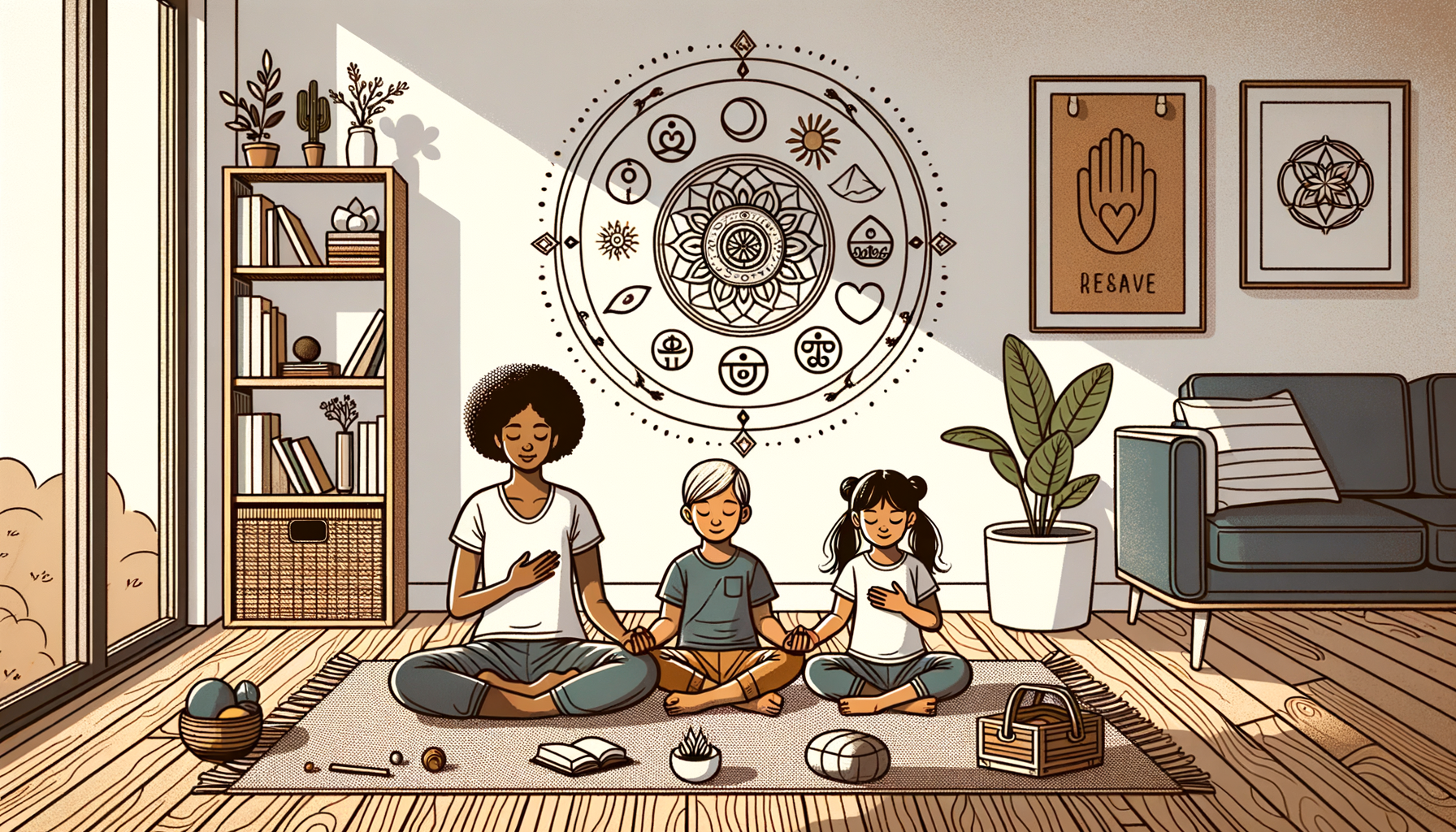
Mindfulness-based practices offer practical tools for self-regulation. Gentle breath awareness (pranayama), mindful breathing (anapanasati), and quiet remembrance (simran) help children notice sensations, name emotions, and return to balance. In many households, a nightly two-minute breathing exercise becomes a reliable anchor, reducing anxiety before exams, performances, or social challenges.
Values-based action builds moral courage. Dharma in daily life looks like telling the truth kindly (satya), choosing non-harm (ahimsa) in words and deeds, and practicing contentment and restraint (aparigraha). Parents frequently report that when children are invited to decide “what is right” rather than “what will please,” they act with greater confidence, even under peer pressure.
Fearlessness grows through graduated challenges. Patanjali’s insight on abhyasa (steady practice) and vairagya (non-attachment) applies neatly to skill-building: break goals into small steps, practice regularly (nairantarya abhyase), and reflect without self-judgment. Over time, one-pointedness transforms worry into competence.
Narratives shape identity. Stories of Rama, Sita, and Hanuman model devotion, resolve, and service; the Jataka tales illuminate compassion and wisdom; Jain narratives of Mahavira teach steadfast non-violence; Sikh history recalls chardi kalaoptimism in adversityand seva. When families discuss these stories as living guides rather than distant legends, children learn that courage is both compassionate and disciplined.
Service (seva, dana) turns anxiety into agency. Age-appropriate responsibilitieshelping a sibling, participating in community kitchens, or assisting eldersteach that contribution matters. Parents often find that children who serve others become more hopeful, socially confident, and less preoccupied with personal fears.
Language shapes mindset. Praising effort, strategy, and patience (“You stayed with the problem”; “You tried a new method”) nurtures a growth orientation. In dharmic terms, shraddha (trustful perseverance) and viveka (discernment) are reinforced when adults normalize mistakes as information rather than failures.
Body-based practices cultivate calm courage. Unstructured outdoor play, simple asanas, and rhythmic movement help regulate the nervous system. Combining movement with mindful pausestwo deep breaths before a new taskteaches children to meet stress with presence rather than avoidance. Reducing overstimulating media before sleep further strengthens resilience.
Community strengthens resolve. Sangha, satsang, and sangat provide affirming spaces where children learn shared values, respectful dialogue, and collective problem-solving. The Guru–Shishya ethoslearning through guidance and lived exampleencourages children to seek mentors and model integrity.
Practical routines consolidate these parenting lessons: begin the day with a brief intention (sankalpa), include a moment of gratitude, practice a small act of seva weekly, set a “courage goal” that is challenging yet achievable, and conclude the day with mindful breathing and reflection. Families frequently note that these small habits, practiced steadily, generate a visible increase in poise and empathy.
Raising fearless children, in this integrated dharmic sense, means cultivating wisdom, compassion, and responsibility together. When courage is anchored in family values and supported by community, children learn to act with clarity, protect the vulnerable, and engage differences with respectembodying unity across Hinduism, Buddhism, Jainism, and Sikhism while navigating the modern world with grace.
What does fearlessness mean in this parenting context?
The post describes fearlessness as inner steadiness, not recklessness. It is shaped by dharma, compassion, clarity, and values such as ahimsa, satya, aparigraha, maitri, karuna, and seva.
How can parents help children build emotional resilience?
The article emphasizes secure attachment, consistent routines, warm attention, and clear boundaries. These create a predictable world where children can explore unfamiliar situations with more self-belief.
Which mindfulness practices does the article recommend for children?
It names pranayama, anapanasati, and simran as gentle practices that help children notice sensations, name emotions, and return to balance. A nightly two-minute breathing exercise is presented as a practical family anchor.
How do dharmic stories support courageous parenting lessons?
Stories of Rama, Sita, Hanuman, the Jataka tales, Jain narratives of Mahavira, and Sikh history offer models of devotion, compassion, non-violence, optimism, and service. Discussing them as living guides helps children see courage as compassionate and disciplined.
Why are graduated challenges important for raising fearless children?
The post connects graduated challenges with abhyasa, steady practice, and vairagya, non-attachment. Breaking goals into small steps and reflecting without self-judgment helps transform worry into competence.
What daily routines can families use to nurture calm courage?
The article suggests beginning the day with sankalpa, including gratitude, practicing a small weekly act of seva, setting an achievable courage goal, and ending with mindful breathing and reflection. Practiced steadily, these habits support poise and empathy.