Public discourse in India sometimes reduces complex dharmic traditions to caricature, especially when religious ideas are treated casually in political conversations. Such moments call for calm, informed explanations that uphold dignity across communities and illuminate the intellectual depth of Hinduism while reinforcing solidarity among Hinduism, Buddhism, Jainism, and Sikhism.
A familiar example appears in the oft-repeated question: “How many gods do Hindus believe in? Are there three crore?” Many recall hearing this in classrooms, television debates, or casual conversations, often accompanied by an amused tone. The question deserves a thoughtful, scholarly answer that clarifies concepts rather than scoring points.
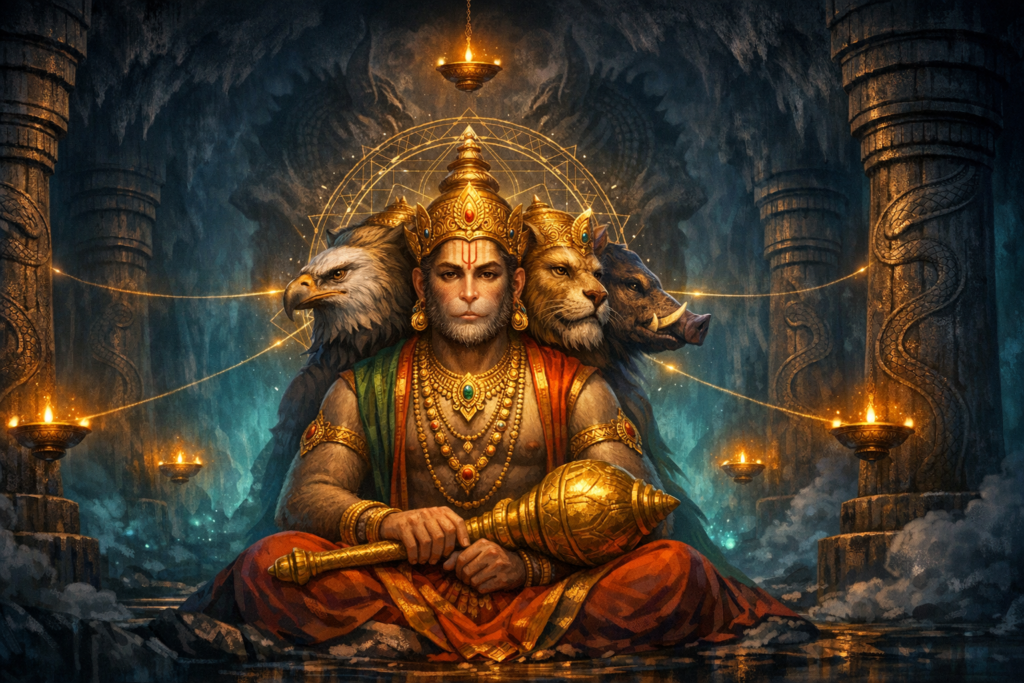
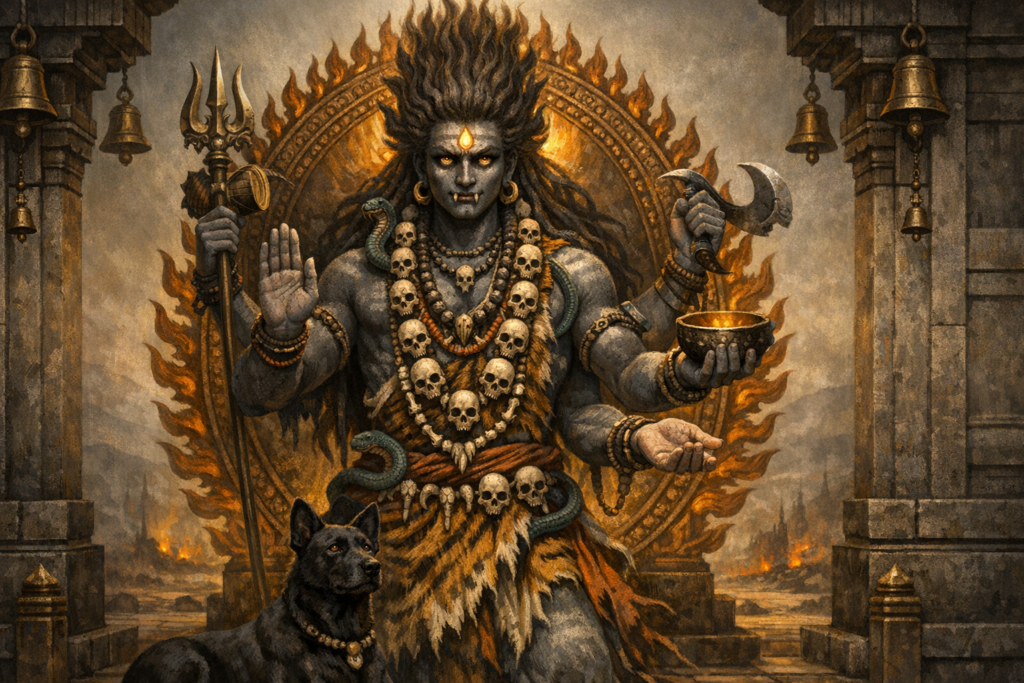
Hindu thought, in its foundational philosophy, affirms one ultimate reality—Brahman—recognized both as nirguna (without attributes) and saguna (with attributes). Devas and devis are not separate, competing absolutes; they are names, forms, and functions through which the mind relates to that singular reality. In this view, plurality in worship does not fragment truth; it offers many lenses to approach it.
This plurality is supported by the principle of Ishta-devata—an individual’s chosen form or path—grounded in the recognition that temperaments and life-situations vary. The legitimacy of different spiritual methods reinforces a core dharmic ethic: many paths, one truth. Parallel sensibilities appear across the broader dharmic family—Buddhism’s diverse practices, Jainism’s emphasis on Anekantavada (many-sided truth), and Sikhism’s devotional focus on the One—together modeling unity without uniformity.
The number “three crore” does not represent a canonical census of deities; it functions as a poetic placeholder for the countless ways the divine can be contemplated. Textual traditions like the sahasranamas (thousand-name hymns) and regional practices illustrate how attributes, qualities, and cosmic functions are praised in multiple names. The aim is pedagogical and devotional, not a numerical theology.
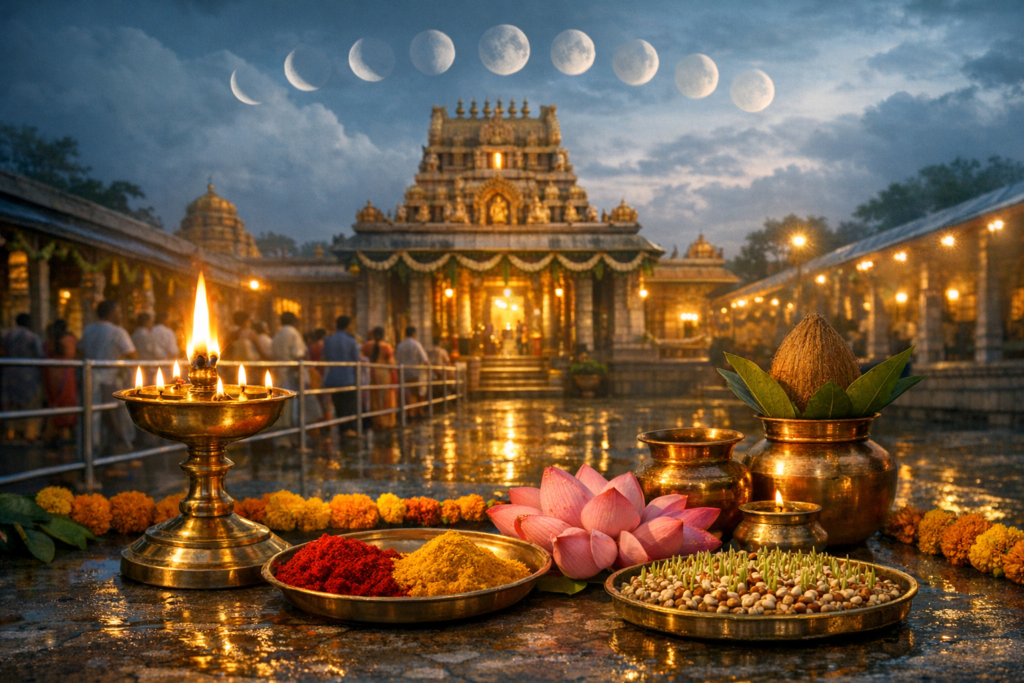
In lived culture, many families experience this plurality across the calendar—Durga Puja, Deepavali, or Ganesha Chaturthi—each celebration cultivating ethical anchors such as dharma (duty), karuna (compassion), ahimsa (non-violence), and seva (service). Far from confusion, this rhythm of devotion nurtures moral formation and social harmony, while encouraging respect for parallel practices within Buddhism, Jainism, and Sikhism.
When this topic arises in public conversation, a concise, respectful response helps: Hinduism affirms one Reality expressed through many names and forms; Ishta accommodates individual inclination; the “three crore” figure is symbolic of limitless attributes rather than a fixed tally. Such clarity invites dialogue over derision, and encourages political and civic leaders to uphold equal dignity for all traditions in India’s plural society.
Strengthening interfaith respect within the dharmic family—and beyond—requires moving beyond reductive stereotypes to first principles and lived realities. A fact-based understanding of unity-in-diversity offers a shared vocabulary for mutual regard, ensuring that differences in practice deepen, rather than divide, the common pursuit of truth.
Inspired by this post on Hindu Blog.