Utpanna Ekdashi, also known as Utpatti Ekadasi and Uthpanna Ekadasi Vrata, is observed on the Krishna Paksha Ekadashi in Margashira masam (Margasirsha month). In 2025, the sacred observance falls on 15 November 2025 for both Smarta Ekadashi and Vaishnava Ekadashi. The vrat is cherished across regions for its emphasis on devotion, self-discipline, and remembrance of Lord Vishnu.
Calendar-wise, Utpanna Ekdashi aligns with the waning phase of the moon in Margashira masam, making it one of the earliest Ekadashis in the traditional lunar cycle after Kartika. In 2025, Smarta Ekadashi – 15 November 2025 and Vaishnava Ekadashi – 15 November 2025 (Vaishnav Ekadashi) converge on the same civil date, aiding households that plan a unified observance.
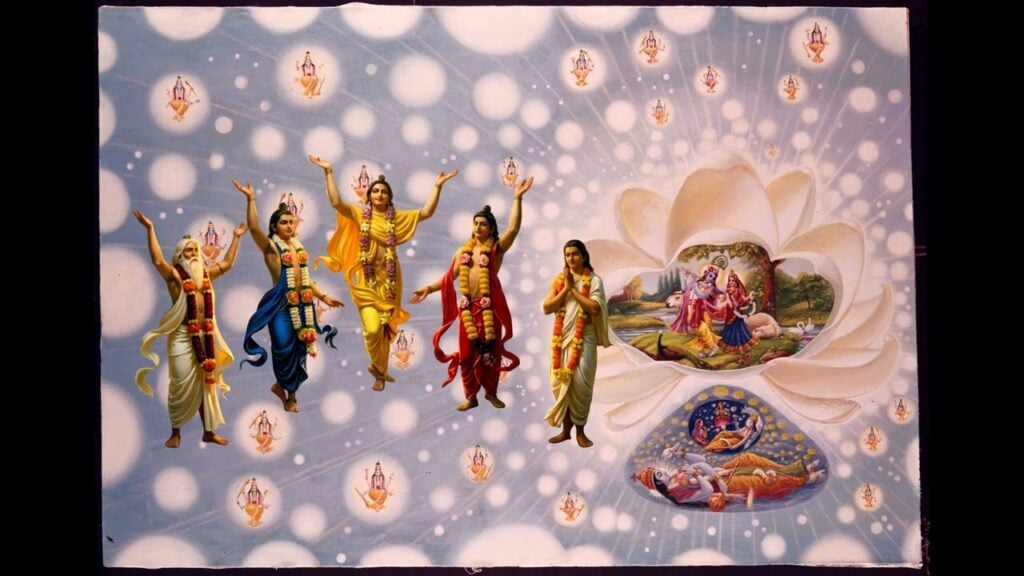
Puranic tradition associates this Ekadashi with the slaying of the demon Murasura by Lord Vishnu. The Vrat Katha narrates the emergence of Ekadashi Devi as a manifestation of divine resolve and dharma-protection, symbolizing the victory of inner vigilance over lethargy and temptation. Devotees often remark that contemplating this legend brings a sense of moral clarity and renewed purpose.
The Utpatti Ekadasi Vrat centers on satvik living, mantra japa, and focused remembrance of Vishnu. Many observe nirjala (waterless), phalahar (fruits), or anukalpa (simple satvik meals) fasting according to health and tradition. Evening worship frequently includes lighting a lamp, offering Tulsi leaves, reciting Vishnu Sahasranama, and reading or listening to the Vrat Katha. Parana (fast-breaking) is performed on Dwadashi after sunrise at an appropriate time as per local panchang guidance.
Households describe the day as contemplative yet uplifting: a time for simplifying meals, practicing ahimsa, and dedicating extra moments to japa and dhyana. Families commonly gather for kirtan and discuss the meaning of vows with children, making the observance an intergenerational learning moment. Many experience a calm focus by night, often observed as jagran (keeping vigil) with soft chanting.
Utpanna Ekadashi 2025 resonates with a broader dharmic ethos that affirms self-restraint, compassion, and inner refinementvalues equally esteemed in allied traditions. Parallels are often noted with mindful fasting and meditation days in Buddhism, the rigorous tapas and ahimsa-centered upvas in Jainism, and the emphasis on seva, simran, and truthful living in Sikhism. This shared ethical current underscores unity among dharmic paths while honoring distinct practices.
For devotees planning the Uthpanna Ekadasi Vrat, practical preparation may include making a simple sankalpa on the eve, organizing satvik ingredients, and scheduling time for scripture recitation such as select verses from the Bhagavad-Gita or the Vishnu Sahasranama. Communities often arrange group readings of the Utpanna Ekadashi Vrat Katha, fostering collective reflection and social harmony.
Utpanna Ekadashi 2025 offers a meaningful occasion to align lifestyle with spiritual intention. Anchored in the legend of Murasura’s defeat and enriched by vrata discipline, the observance helps cultivate steadiness of mind and devotional clarity. Local customs and panchang recommendations may vary by region; observing families are encouraged to follow their sampradaya’s guidance while embracing the day’s inclusive spirit.
Inspired by this post on Hindu Pad.