Tulsi Vivah is a revered samskara in the Kartik month (Karthika masam), marking the ceremonial union of Tulsi with Shaligram, a sacred form of Bhagavan Vishnu. The observance inaugurates the traditional Hindu wedding season and symbolizes harmony between nature, home, and the divine. Rooted in devotion and ecological reverence, the ritual resonates with the broader dharmic ethos of ahimsa, gratitude, and disciplined observance.
For 2025, the main dates for Tulsi Vivah are as follows: Tulsi Vivah on Prabodini Ekadashi is observed on 1 November; Tulsi Vivah on Ksheerabdhi Dwadashi date is November 2; Tulsi Vivah date on Chilku Dwadashi is November 2; and Tulsi Vivah on Kartik Purnima is observed on November 5. Households and temples traditionally select among these tithi-based observances according to sampradaya guidance and local tradition.
Regarding Tulsi Vivah muhurat, precise timings vary by location, Panchang, and tithi boundaries at sunrise. Devotees typically align the ceremony within Ekadashi/Dwadashi or on Kartik Purnima during shubh windows indicated by the local Panchang. For accuracy, one should consult a city-specific Panchang or a trusted temple, ensuring the ritual synchronizes with the correct tithi and pradosh where applicable.
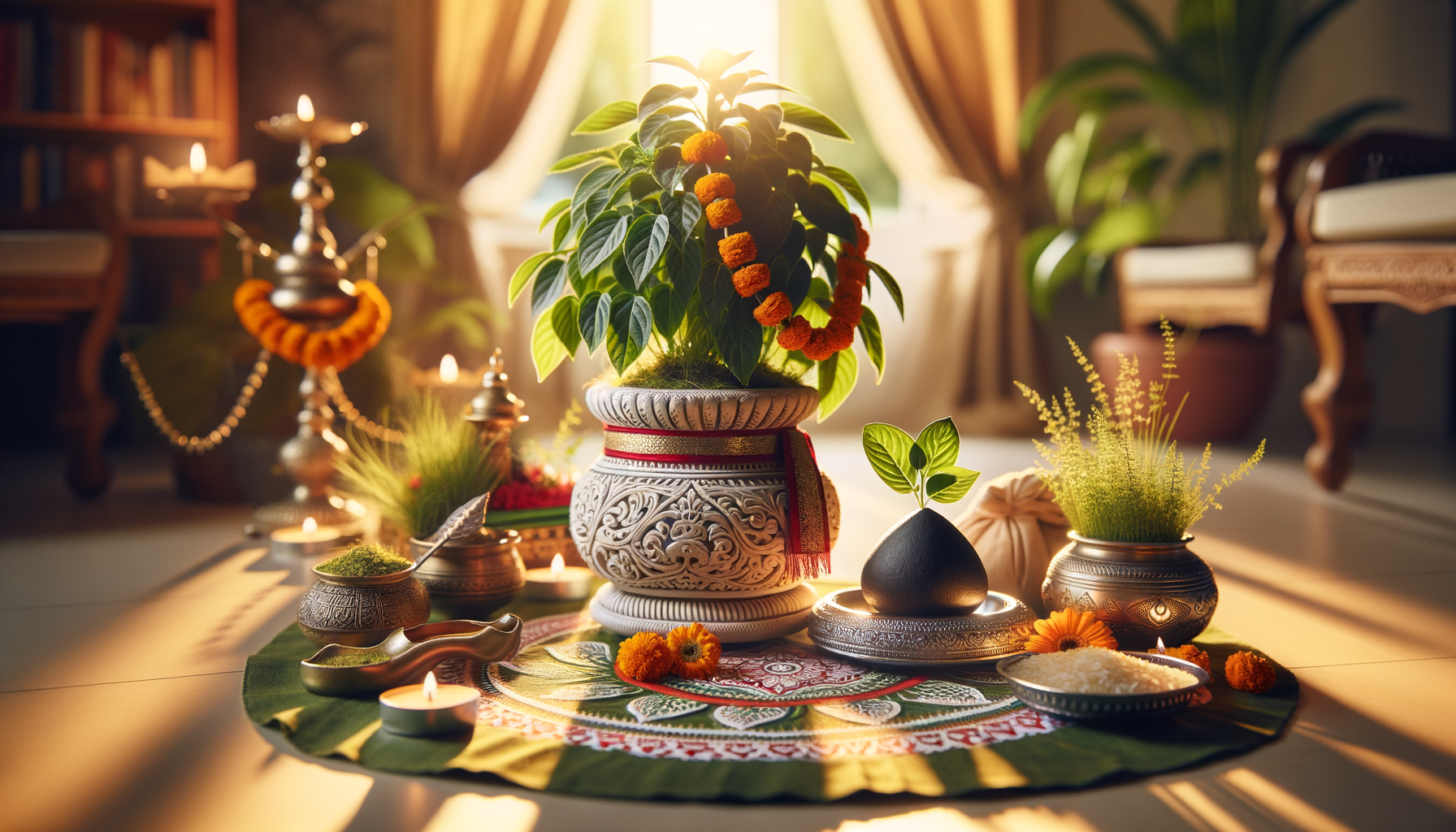
The core observance often includes Tulsi snana and alankara, a simple Sankalpa, the placement of Shaligram (or a Vishnu/Krishna murti), kanyā-dāna symbolism with mantra recitation, circumambulation (parikrama), akshata, and naivedya. Many families emphasize eco-conscious offeringssuch as seasonal flowers, lamp-lighting with sesame oil, and sattvic prasadareflecting the ritual’s inherent respect for nature. Children’s participation through decorating the Tulsi vrindavan nurtures intergenerational learning and devotion.
Culturally, Tulsi Vivah aligns with Prabodini Ekadashithe awakening of Vishnuand the festive arc around Diwali, culminating for some with Kartik Purnima. The sequence affirms renewal, auspicious beginnings, and the re-centering of household life around dharma. Many devotees describe the ceremony as a moment of serene gratitude and a reaffirmation of family cohesion.
In the spirit of unity among dharmic traditions, the values embodied in Tulsi Vivahdevotion, simplicity, non-violence, and reverence for living beingsare widely appreciated. While the ritual itself is a Hindu observance, Jain, Buddhist, and Sikh households often resonate with its emphasis on ethical living and gratitude, sometimes joining community satsang, kirtan, or meditation during Kartik to honor these shared values without altering their own traditions.
A practical 2025 checklist includes: selecting a preferred observance date (1 November, 2 November, or 5 November), confirming the muhurat via a reliable Panchang, preparing Tulsi alankara materials, arranging Shaligram or Vishnu murti with a clean altar, organizing mantras and simple offerings, planning inclusive family participation, and adopting sustainable practices (natural decorations, minimal waste, reusable lamps). Community temple visits may further enrich the observance with collective chanting and guidance.
Summary of 2025 observance dates: Prabodini Ekadashi (1 November), Ksheerabdhi Dwadashi (2 November), Chilku Dwadashi (2 November), and Kartik Purnima (5 November). With local muhurat determined from the Panchang, Tulsi Vivah becomes both a precise calendrical rite and a heartfelt celebration of devotion, ecology, and dharmic unity.
Inspired by this post on Hindu Pad.