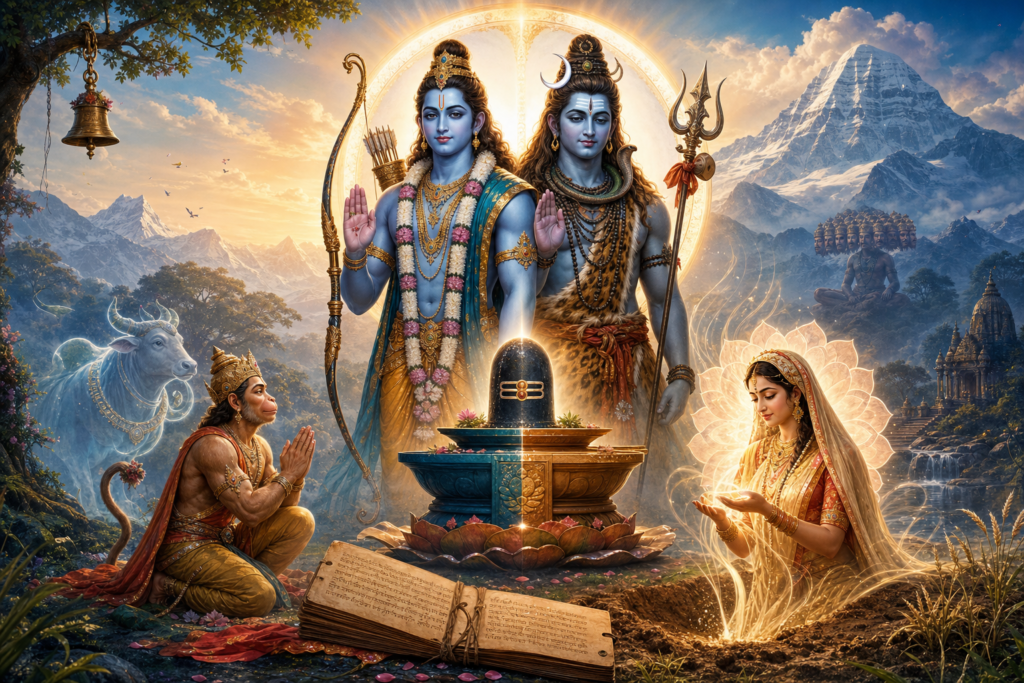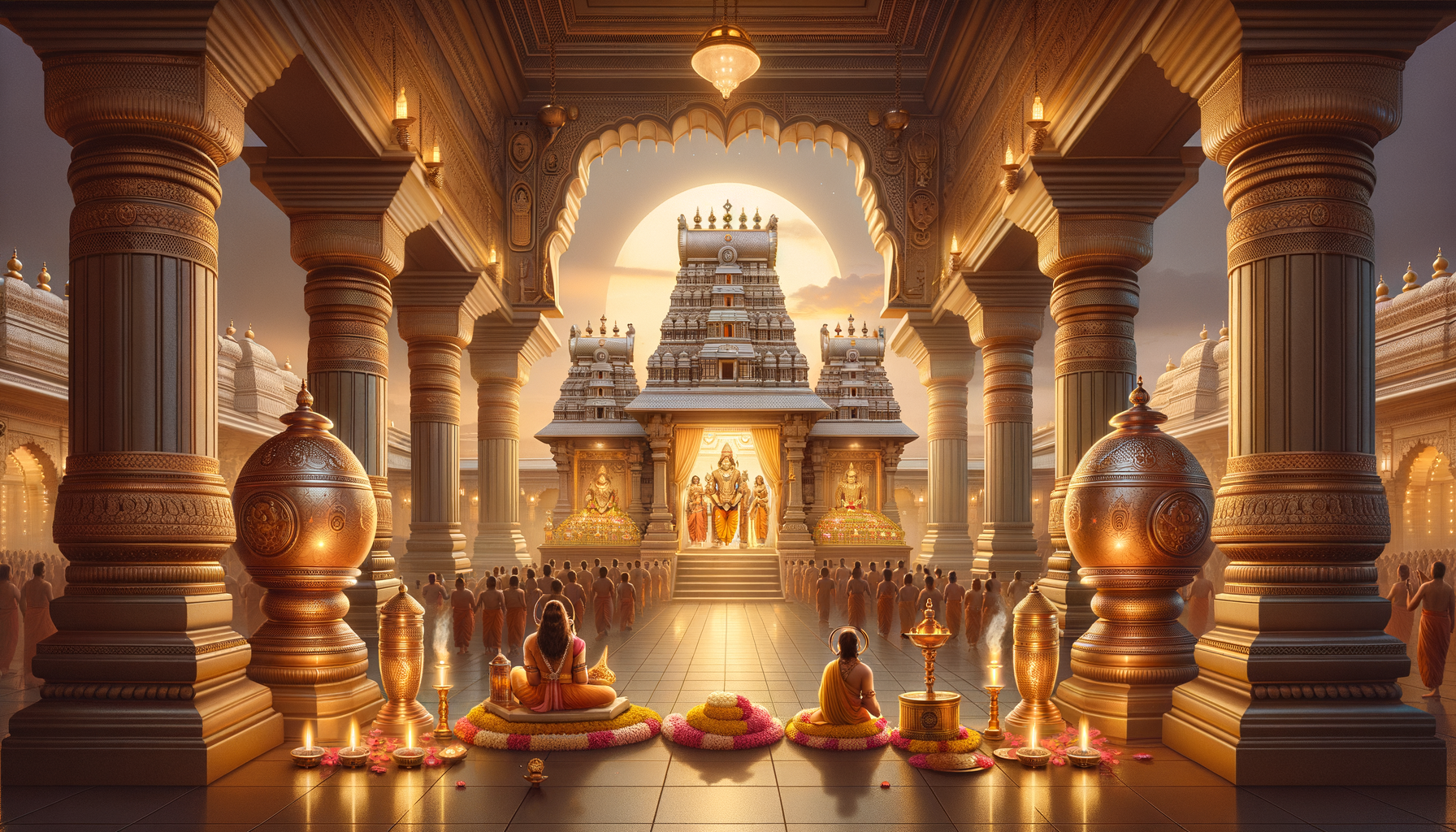
November 2025 at Tirupati’s Sri Kodanda Rama Swamy Temple offers a concise yet spiritually rich calendar under the Tirumala Tirupati Devasthanams (TTD), aligning sacred observances with the devotional rhythm of Karthika masam. Devotees seeking structured guidance for darshan and seva will find the month thoughtfully organized around weekly Abhishekam and a special Pournami ritual.
On all Saturdays in November 20251, 8, 15, 22, and 29the temple schedules Abhishekam at 6:00 AM, followed by an evening procession at 5:30 PM. The consistency of these timings supports pilgrims who plan family visits or community gatherings, and many visitors observe that the serene pre-dawn ambience enhances concentration and bhakti during Abhishekam, while the evening procession fosters a shared sense of celebration.
On November 05 (pournami), the temple conducts Ashtothara Kalashabhishekam at 9:30. This ritual, venerating Sri Rama with the sanctity of kalashas and 108 sacred invocations, resonates strongly during Karthika’s full moon, a period widely regarded as auspicious across Vaishnava traditions. Pilgrims often note that the full-moon energy, the cadence of Vedic chanting, and the fragrance of flowers and tulasi together cultivate a calm, reflective state conducive to inner devotion.
From a practical perspective, these fixed timings help visitors plan a balanced day: early morning for worship and contemplation, and late afternoon for the communal joy of the procession. Those traveling with elders or children often prefer arriving ahead of time for comfortable seating and unobstructed participation, while maintaining temple etiquette and readiness for customary queues during peak hours.
Beyond the schedule, the spirit of seva, restraint, and mutual respect practiced at the temple reflects values cherished across dharmic traditionsHinduism, Buddhism, Jainism, and Sikhismwhere compassion, self-discipline, and community well-being remain shared ideals. Many devotees find that such observances not only deepen personal faith in Sri Rama but also nurture a broader sense of harmony and unity in society.
In summary: Saturdays (1, 8, 15, 22, 29) feature Abhishekam at 6:00 AM and a procession at 5:30 PM, while Pournami (November 05) is marked by Ashtothara Kalashabhishekam at 9:30. These observances offer both reflective and celebratory dimensions of worship in Tirupati’s sacred landscape during Karthika masam.
Inspired by this post on Hindu Pad.