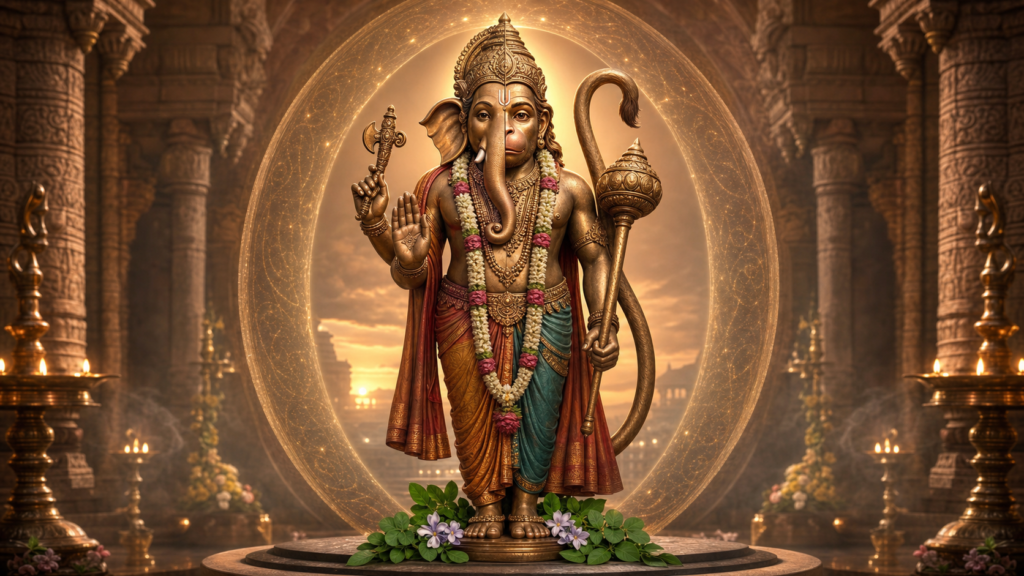
Thaipusam (Thaipoosam) Laksharchana at the Skandagiri Subramanya Temple in Hyderabad is among the temple’s most anticipated observances, bringing together devotees for disciplined worship, music, and community service. In 2026, the celebrations are scheduled from 30 January to 1 February, aligning with the traditional period devoted to Lord Subrahmanya (Murugan) and the spirit of devotion, vrata, and seva that define this sacred time.
The festival customarily opens with Sri Ganapathi Homam, setting an auspicious tone for subsequent rites. A central highlight is Sri Subrahmanyaswamy Mahanyasa Poorvaka Ekadasa Rudrabhishekam, performed with meticulous Vedic precision, followed by the commencement of the Laksharchanacollective chanting of a hundred thousand sacred names. These rites exemplify the temple’s commitment to preserving orthodox liturgical practice while welcoming a broad community of participants.
On 30 January 2026, the program begins with Sri Ganapathi Homam, Sri Subrahmanyaswamy Mahanyasa Poorvaka Ekadasa Rudrabhishekam, and the formal commencement of the Laksharchana. Over the next two days (31 January and 1 February), Laksharchana typically continues in structured sessions, often accompanied by bhajans, alankaram, deepa aradhana, and special darshan. While specific session-wise timings may vary year to year, the sequence underscores contemplative chanting, ritual purity, and devotional focus.
As with most major temple observances, detailed timings are generally announced closer to the festival dates through the temple office and on-site noticeboards. Devotees and visitors are advised to verify the latest schedule locally to plan darshan and participation in homam or archana sessions. Early arrival, adherence to dress codes, and familiarity with temple protocols improve the experience and help maintain the sanctity of the proceedings.
Thaipusam at Skandagiri is not only a liturgical event but also a cultural focal point in Hyderabad, where families, elders, and youth gather in shared devotion. Many visitors describe a palpable sense of serenity during the Laksharchana, noting how collective chanting supports personal reflection and spiritual discipline. The emphasis on devotion, self-restraint, and service resonates with broader dharmic values cherished across Hindu, Buddhist, Jain, and Sikh traditions, strengthening intercommunity harmony through a shared ethic of compassion and reverence.
Beyond ritual practice, the celebrations foster community cohesion through volunteer service and respectful participation in temple routines. Practical considerationsusing public transport where possible, staying hydrated, and planning for crowdscan make the pilgrimage smoother. For those observing personal vratas or seeking blessings for family wellbeing, the festival’s structured rhythm of homam, abhishekam, and archana provides a meaningful framework for focused prayer.
In essence, Thaipusam Laksharchana at Skandagiri Subramanya Temple offers a balanced confluence of sacred sound, precise ritual, and community spirit. By centering on Lord Subrahmanya’s grace through disciplined worship, the celebration nurtures inner stability while affirming a wider ethos of unity, inclusivity, and mutual respect across dharmic pathways.
Inspired by this post on Hindu Pad.