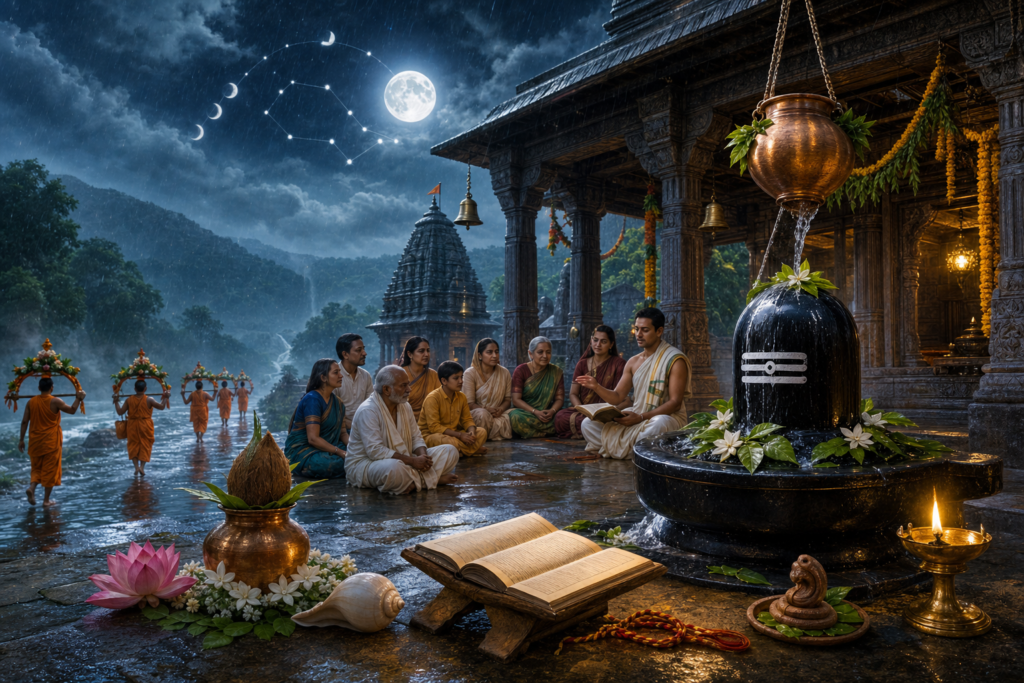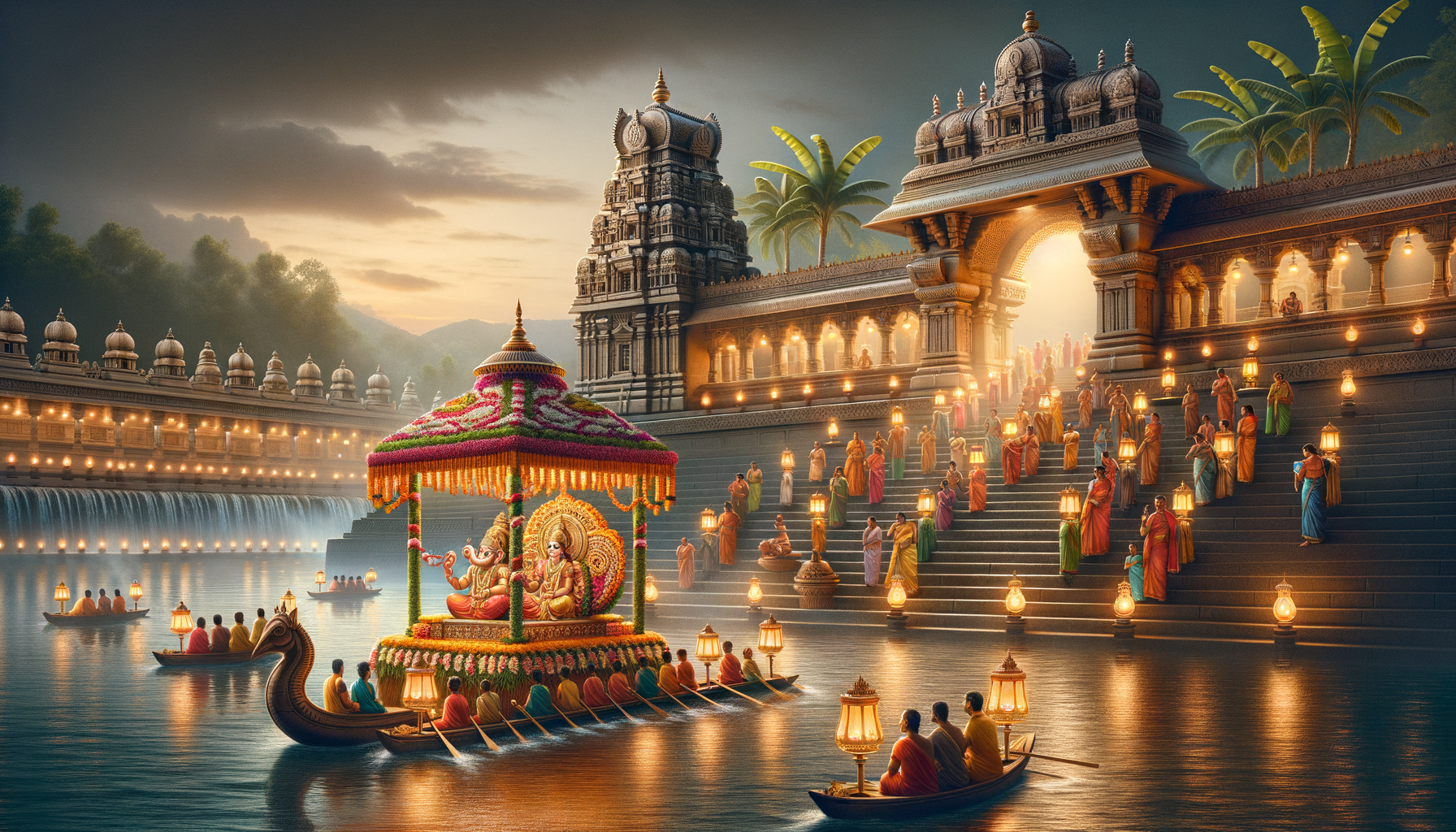
Teppotsavams will be conducted in a grand manner at Sri Kapileswara Swamy Temple, Tirupati, from 29 December 2025 to 2 January 2026. As a sacred float festival (Teppotsavam), the deities are ceremonially taken on boats across the temple pushkarini, drawing devotees to Tirupati in Andhra Pradesh. The five-day observance highlights living heritage, communal devotion, and the enduring rhythm of Hindu festivals in South India.
On the opening day, 29 December 2025, Sri Vinayaka Swamy and Sri Chandrasekhara Swamy are taken in a ritual procession to the pushkarini and complete nine sacred circumambulatory rounds on the waters. The sight of the icons gliding across the illuminated tank embodies the union of bhakti and tradition, encouraging quiet contemplation alongside collective celebration.
Visitors frequently describe a deep sense of connection as lamps reflect on the water and temple music resonates across the complex. Families, pilgrims, and cultural enthusiasts experience Teppotsavam as both a communal celebration and a contemplative practice. The values expressedseva, dana, and reverence for sacred spacesresonate across the dharmic traditions of Hinduism, Buddhism, Jainism, and Sikhism, fostering unity while honoring diverse paths within the broader Indic heritage.
Set against Tirupati’s renowned temple landscape, the festival underscores the importance of preserving cultural heritage through responsible participation: maintaining decorum, minimizing waste, and observing temple guidelines. Such practices help sustain sacred traditions and ensure that collective devotion remains harmonious, inclusive, and respectful of the temple’s cultural significance.
The celebrations continue each day through to 2 January 2026 with traditional observances centered on the temple pushkarini. Visitors planning a darshan during this period often arrive early to navigate peak footfall and experience the serene morning ambience. The schedule honors established customs while allowing devotees to engage meaningfully with the festival’s spiritual and cultural dimensions.
Inspired by this post on Hindu Pad.