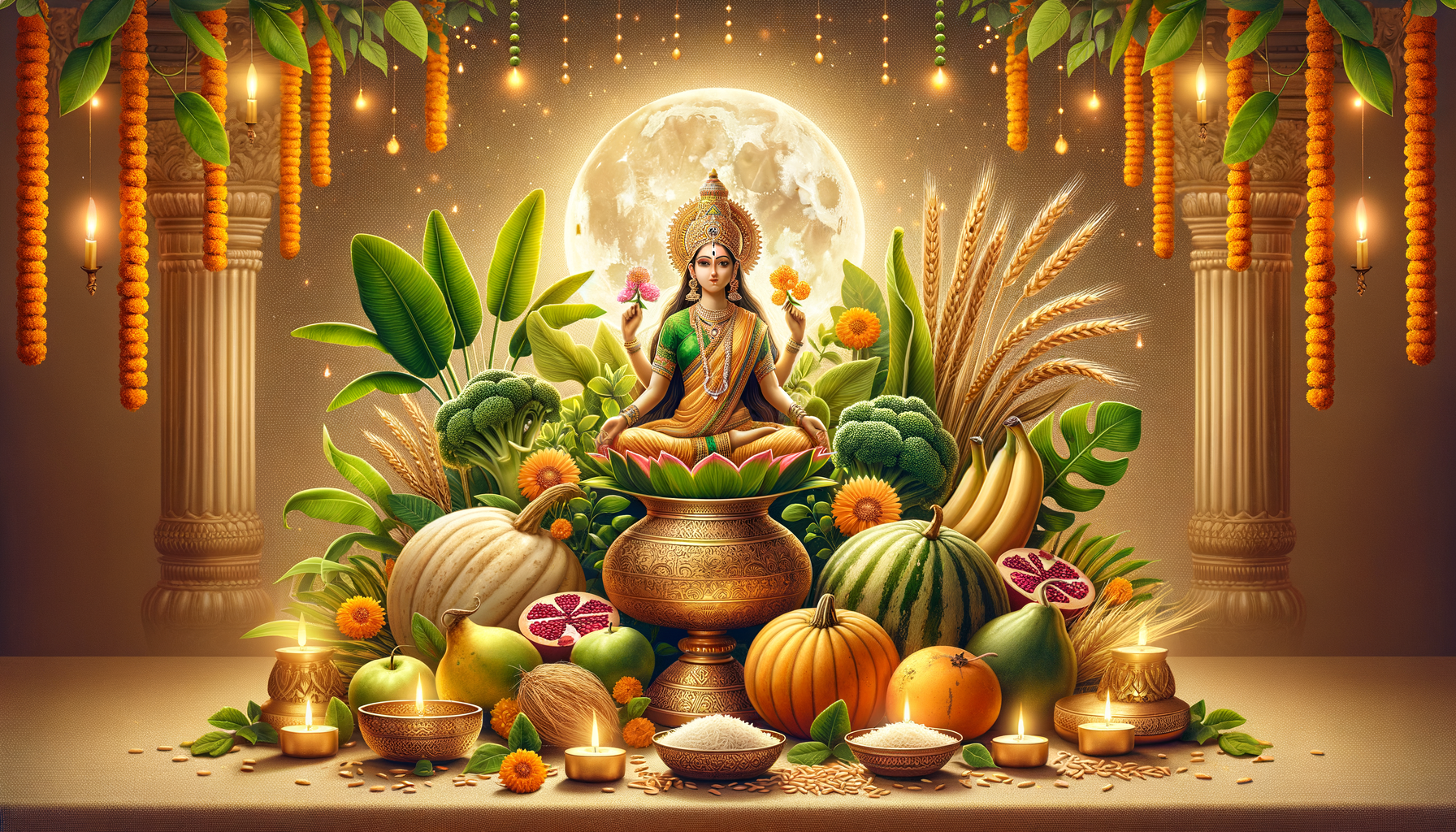
Shakambari Purnima in 2026 falls on January 3 and marks the auspicious culmination of Shakambari Navratri on the Paush Purnima full moon. Dedicated to Goddess Shakambari—an incarnation of Ishwari (Goddess Shakti) and consort of Lord Shiva—this sacred observance venerates the divine as the ‘Bearer of the Greens,’ the nourishing force behind fruits, vegetables, and grains that sustain life.
The festival’s core symbolism centers on gratitude for nourishment and the ethical use of nature’s gifts. Offerings of seasonal produce honor the Goddess as the source of abundance, aligning devotion with everyday practices of care for annam (food), jala (water), and prakriti (nature). This gentle ethic resonates across the shared values of dharmic traditions—Hinduism, Buddhism, Jainism, and Sikhism—where reverence for life, ahimsa, seva, and community welfare are upheld as common ideals.
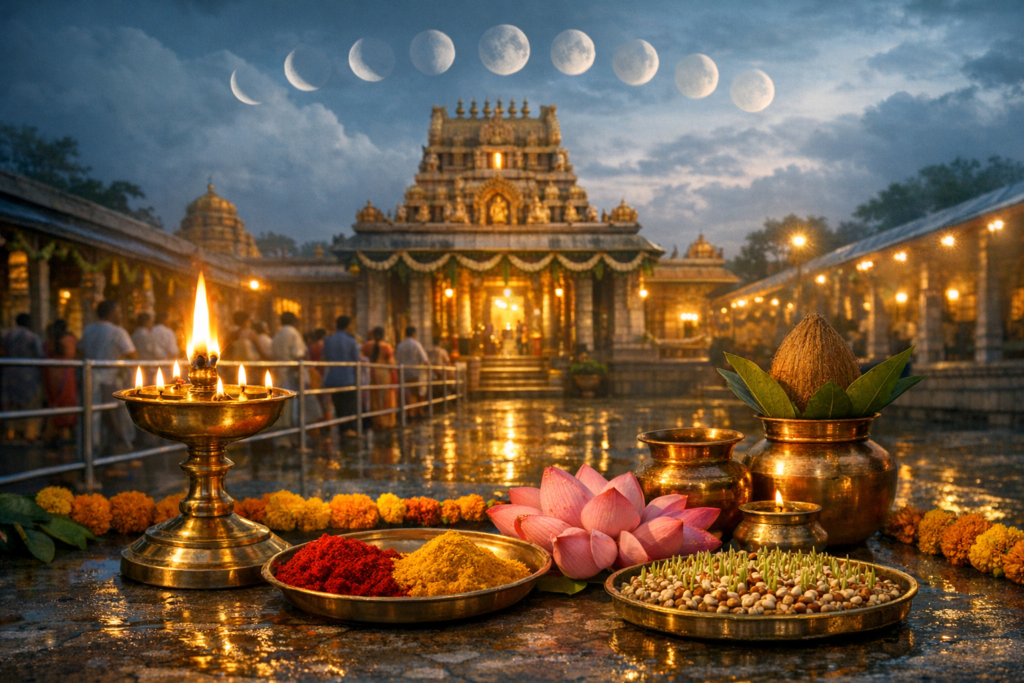
Customary observances on Shakambari Purnima include early-morning puja, recitation of Devi stotras, lighting of lamps, and decorating the altar with greens, fruits, and grains. Many households prepare satvik meals, arrange anna-daan (food sharing), and participate in seva. Temples often conduct special abhisheka and alankara that highlight the Goddess’s nourishing aspect, with devotees experiencing a quiet, reflective joy in honoring the cycles that bring food from field to table.
Shakambari Navratri generally commences on Paush Shukla Ashtami and culminates on Paush Purnima as Shakambari Purnima. For 2026, this means the observance begins in late December 2025 and concludes on January 3, 2026. Given regional calendar differences, consulting a local panchang ensures accurate tithi timing for puja and vrata observance.
For many families, the day becomes a meaningful reminder to include more plant-based, satvik foods, reduce waste, and practice mindful consumption. Children learn to value the season’s harvest, while elders connect the rituals to agrarian rhythms and community well-being. In diaspora settings, the celebration often serves as a bridge—strengthening cultural continuity and fostering unity in diverse communities through shared meals and collective gratitude.
Practical observance can be simple and sincere: offer fresh greens, fruits, and grains; chant Devi stotras; light a lamp; and share food with neighbors or those in need. Such practices honor Goddess Shakambari’s grace while advancing an ethic of sustainability, compassion, and interfaith harmony within the wider dharmic family. In this way, Shakambari Purnima 2026 becomes both a spiritual milestone and a lived commitment to ecological gratitude and social unity.
Inspired by this post on Hindu Pad.