On Thursday, October 30, 2025, the Panchang (Hindu Calendar) records Shukla Paksha Ashtami until 4:51 AM (local time in most regions). From that point onward, Shukla Paksha Navami prevails for the rest of the day. As with all tithi calculations, regional variations may occur due to time zone, longitude, and sunrise-based adjustments, so city-specific verification is advisable.
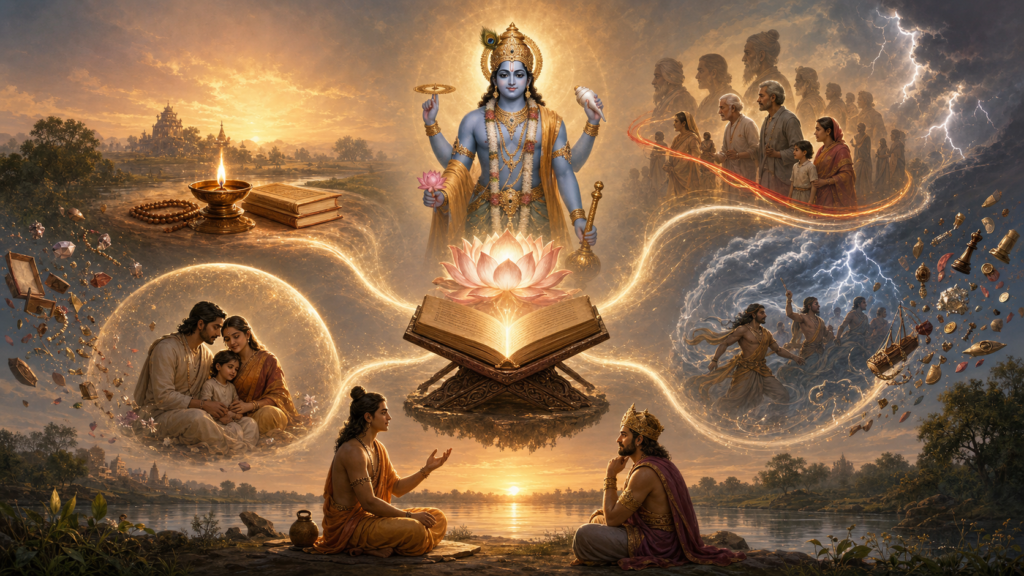
In the lunar fortnight, Ashtami and Navami during Shukla Paksha are regarded as spiritually elevating phases, often chosen for worship (puja), vrata (vows), and charitable acts. Navami, in particular, is associated with forward movement and clarity, making it a thoughtful time for study, reflection, and family-centered observances. Households frequently note that the transition from Ashtami to Navami brings a sense of renewed momentum that supports devotional focus and disciplined routines.
The idea of a “Good Time” (shubh muhurta) on any given date is location-specific and should be taken from a reliable local Panchang or a temple calendar. While daily windows such as Abhijit Muhurta are traditionally referenced for certain tasks, and cautionary periods like Rahu Kalam and Yamaganda are commonly avoided, their exact timings depend on the weekday and latitude/longitude. For ceremonies, initiations, or community events, consultation with a trusted priest, monastery, or dharmic center ensures both accuracy and ease.
Nakshatra and Rashi details for October 30, 2025 should also be confirmed using a region-specific Panchang, as stellar positions shift by location and time. These parameters inform the quality of the day, guide selection of activities, and help align intentions with cosmic rhythms. Readers planning specific rites or travel often find it helpful to note the day’s Nakshatra to time meditative practices, study sessions, or temple visits.
Practical observances on Shukla Paksha Navami commonly include lighting a clean diya, reciting one’s chosen stotra or mantra, and offering simple satvic naivedya. Many families choose to extend the spirit of Navami through acts of seva and dana, strengthening bonds within the community. These practices are inclusive and resonate across dharmic traditionsHinduism, Buddhism, Jainism, and Sikhismeach honoring the shared lunar heritage and the values of compassion, discipline, and unity.
For spiritual planners, this date is well-suited to structured study (svadhyaya), gentle fasting where appropriate, and reflective journaling on goals for the bright fortnight. Communities often observe that synchronizing family routinessuch as collective prayer, scripture reading, or mindful mealshelps translate the auspiciousness of the tithi into daily well-being.
Note on accuracy: The Ashtami-to-Navami transition time given here (4:51 AM) reflects the commonly referenced shift for October 30, 2025, in most regions. However, tithis are sensitive to local sunrise and time zone differences. For precise muhurta, Nakshatra, and Rashi, consult a trusted local Panchang or temple bulletin aligned to the reader’s city.
Inspired by this post on Hindu Blog.