In May 2026, Sri Kodandarama Swamy Temple in Tirupati will observe two Poornima daysMay 1 and May 31with a special Ashtottara Shatakalasabhishekam at 9:30 AM (IST) and an evening procession at 5:30 PM. These events center on Sri Kodandarama Swamy, accompanied by Sita and Lakshmana, and reflect the living Vaishnava tradition stewarded in Tirupati.
The presence of two full moons within a single Gregorian month underscores the intimate alignment between the temple’s ritual calendar and the lunar cycle. Poornima is widely regarded as an auspicious time for worship and collective merit-making across dharmic traditions. In many years, the Vaishakha Poornima also aligns with Buddha Purnima, highlighting a shared civilizational rhythm that resonates across Hindu, Buddhist, Jain, and Sikh communities and affirms a spirit of mutual reverence.
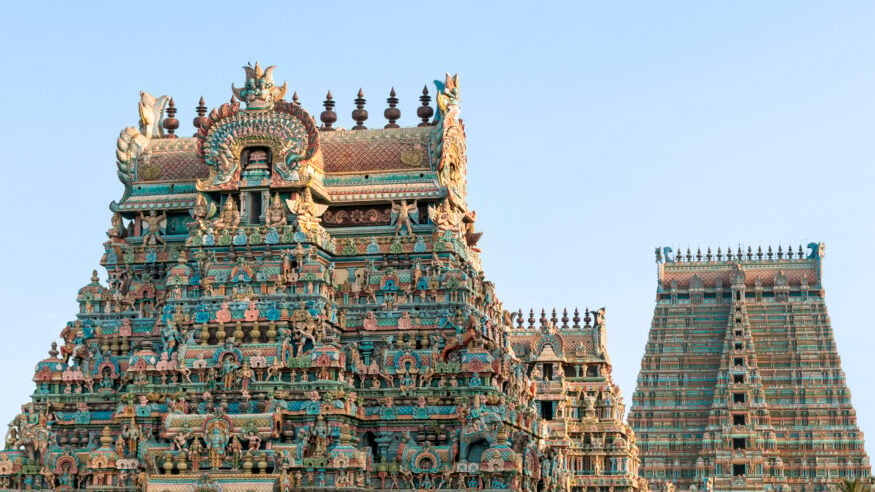
As one of Tirupati’s prominent shrines, Sri Kodandarama Swamy Temple stands as a focal point for Rama bhakti within the Tirumala–Tirupati sacred landscape. The temple’s rituals, prakaras, and Mada streets (veedhis) embody the Dravida temple idiom and sustain the devotional ethos of maryada, seva, and sadhana associated with Sri Rama, Sita, and Lakshmana.
The Ashtottara Shatakalasabhishekam, scheduled at 9:30 AM on both May 1 and May 31, involves the ritual consecration of 108 kalashas, each filled with sanctified water and traditionally perfumed and purified through Vedic recitation. The ablutions honor the utsava-murtis of Sri Kodandarama Swamy, Sita, and Lakshmana, and are accompanied by mantra-parayana and archana. Devotees regard this abhishekam as a prayer for shanti (peace), kshema (well-being), and dharmic steadiness in individual and community life.
The sacred count of 108, central to the Ashtottara Shatakalasabhishekam, echoes several classical correspondences, including the 27 nakshatras with four padas each (27 × 4 = 108) and the meditative symbolism embedded in japa malas of 108 beads. Within this ritual frame, the sequential pouring from each kalasha is an embodied meditation on order, continuity, and grace.
Participation is typically structured around darshan and seva protocols set by Tirumala Tirupati Devasthanam (TTD). Devotees intending closer participation commonly plan to arrive well ahead of the 9:30 AM start to navigate security, seating, and darshan lines. As temple operations are periodically refined for crowd management and safety, verifying final arrangements through official TTD channels before travel is advisable.
The evening program at 5:30 PM features a ceremonial procession of Sri Kodandarama Swamy with Sita and Lakshmana through the four Mada streets around the shrine. This veedhi-utsavam extends darshan beyond the sanctum to the broader community, accompanied by traditional percussion, conch, and chant, allowing residents and pilgrims to receive blessings along the circumambulatory routes.
Processions on the Mada streets are not only devotional but also pedagogical: they bring the ideals associated with Sri Ramadharma, compassion, courage, and restraintinto the shared social space. The interplay of sound (nagaswaram, mridangam), rhythm (steps of the bearers), and sight (alankara of the utsava-murtis) creates a multisensory experience of bhakti that is both intimate and communal.
For viewing the procession, arriving early at key turnings of the Mada streets is prudent. Crowd movement is usually guided by volunteers and security personnel; following instructions ensures a smoother flow for families, elders, and children. Carrying water, maintaining queue discipline, keeping corridors clear for deities and bearers, and showing courtesy to fellow devotees uphold the sanctity and safety of the event.
Temple etiquette remains an integral part of the experience. Observing a modest dress code, speaking softly in temple zones, refraining from littering, and being mindful during chant and mantra recitation sustains an atmosphere of reverence. These shared courtesies help preserve the temple’s sacred rhythm while making the events welcoming for all.
May in Tirupati can be hot, and daytime temperatures often exceed 35°C. Light, modest attire, sun protection (umbrella or cap), and adequate hydration are practical measures for comfortespecially for families with children or elders attending both morning and evening programs on Poornima days.
Accessibility considerations include identifying shaded vantage points and low-congestion areas along the Mada streets, particularly suitable for seniors. Coordination with volunteers near barricades and designated viewing zones can improve proximity to the procession while maintaining safety and comfort.
Located within Tirupati’s urban core, Sri Kodandarama Swamy Temple is reachable by local transport from key transit nodes such as the railway station and bus stand. During festival hours, minor traffic diversions may occur around the Mada streets; planning a little additional time for last-mile movement is generally helpful.
Key dates and timings for May 2026 are straightforward: Poornima occurs twiceon May 1 and May 31with the Ashtottara Shatakalasabhishekam at 9:30 AM (IST) and the Mada-street procession at 5:30 PM on both days. As with all temple observances, the schedule is subject to operational updates by the temple administration.
Taken together, these Poornima observances at Sri Kodandarama Swamy Temple nurture devotional resolve and collective harmony. In a month that spotlights full-moon worship across multiple dharmic lineages, the temple’s rituals and processions invite allpilgrims, residents, and seekersto participate in a shared celebration of dharma, seva, and spiritual fellowship.
Inspired by this post on Hindu Pad.