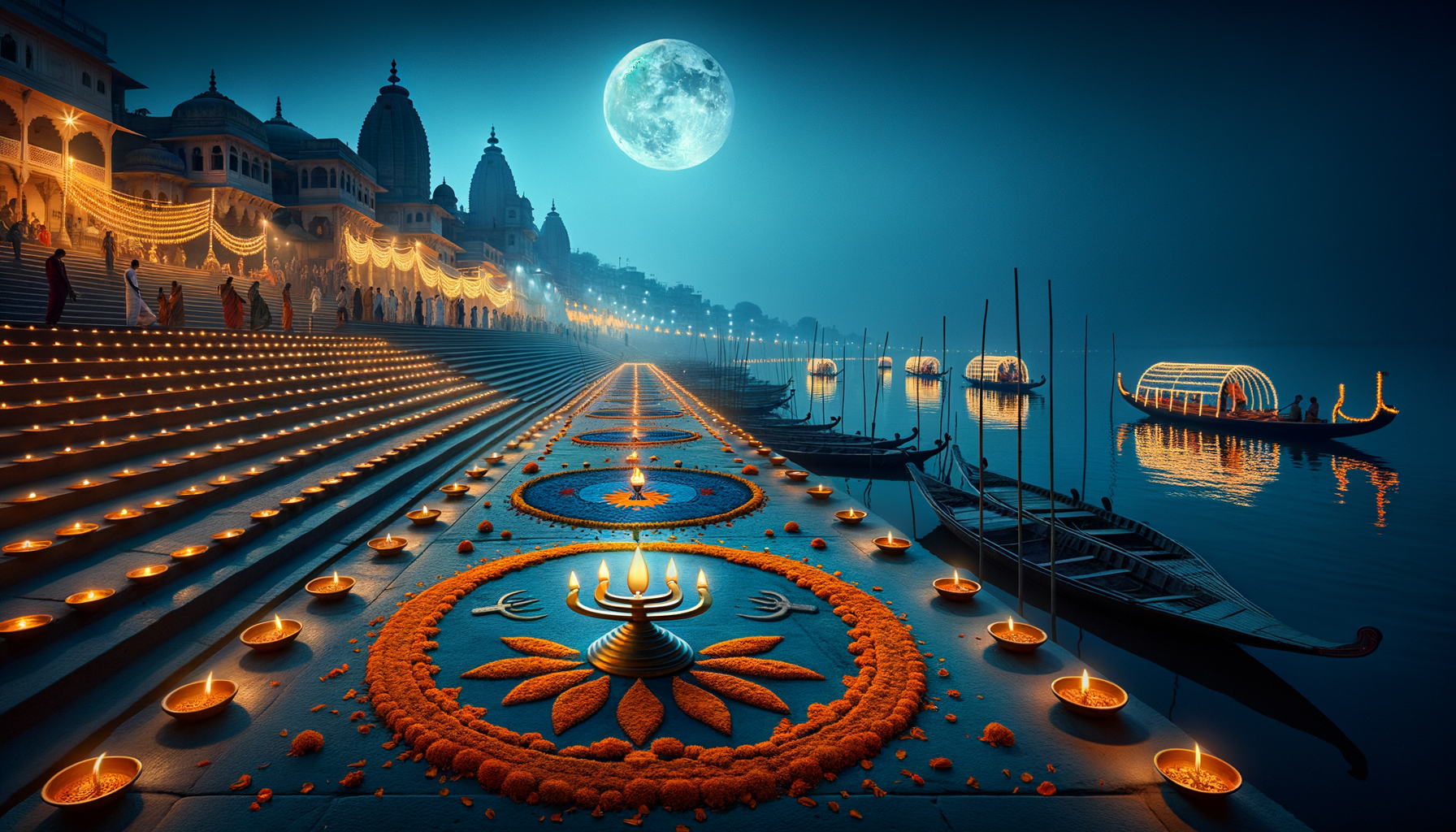
Kartik Purnima, also known as Tripurari Purnima or Tripuri Purnima, falls on November 5, 2025. This Full Moon (Purnima/Puranmashi) in Kartik Month is widely regarded as one of the most auspicious lunar days in the Hindu calendar. As per North Indian Hindi calendars, Kartik Purnima marks the formal conclusion of Kartik Month and the end of the Kartik Snana observances. The day also aligns with iconic festivities such as Dev Diwali, Deepotsavam, and Ganga Mahotsav, making it a focal point of spiritual celebration across regions.
Timings for Puranmashi (Purnima Tithi) are determined by the lunar day (tithi) rather than the civil date, and they vary by geography. For accurate muhurat and tithi boundaries, consulting a reliable local Panchang or a trusted astronomical almanac is essential. In general practice: Smarta traditions consider the observance when the Purnima Tithi prevails at sunrise, while Vaishnava traditions prioritize the tithi prevailing at moonrise or during key ritual windows. Households planning vrata, snana, or deepa-dāna often schedule activities during the peak of the Purnima Tithi for maximum spiritual benefit.
Kartik Purnima carries layered significance. It concludes the Kartik Snana, a month-long discipline of pre-dawn bathing and prayer, and it is revered as a day of purity, devotion, and merit (punya). Lighting diyas, offering deepa-dāna, performing charity (dāna), reciting sacred texts, and engaging in japa and meditation are considered spiritually elevating. Many communities also observe a Purnima vrata, emphasizing simplicity, self-restraint, and inner clarity.
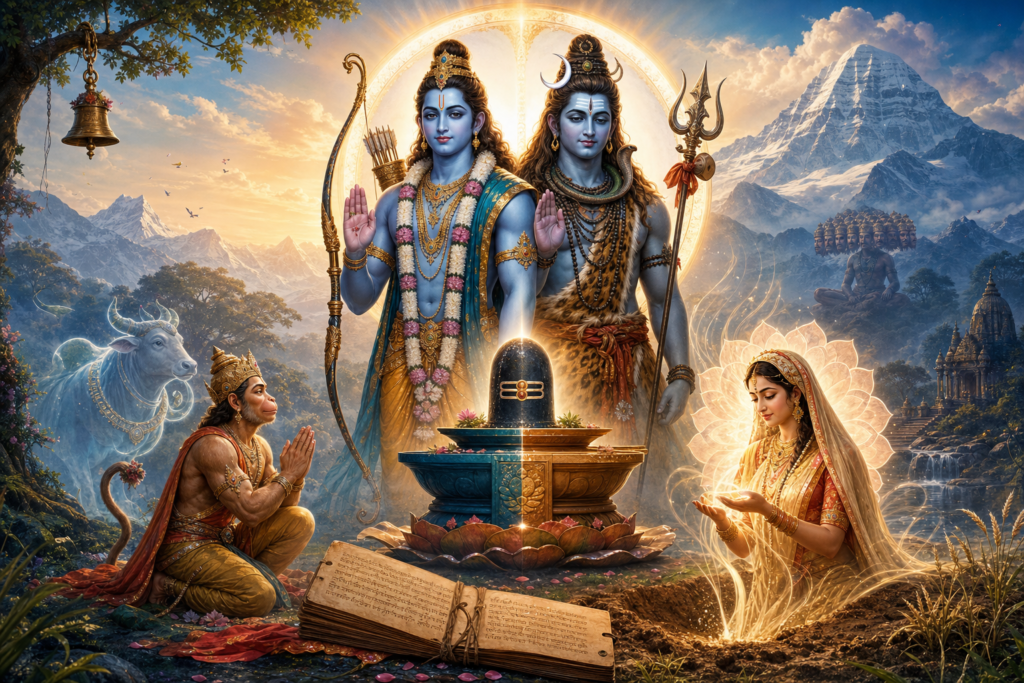
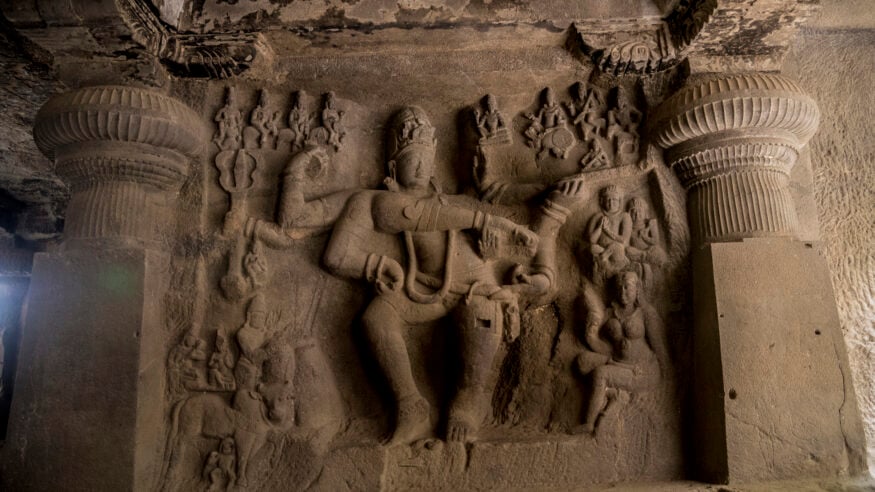
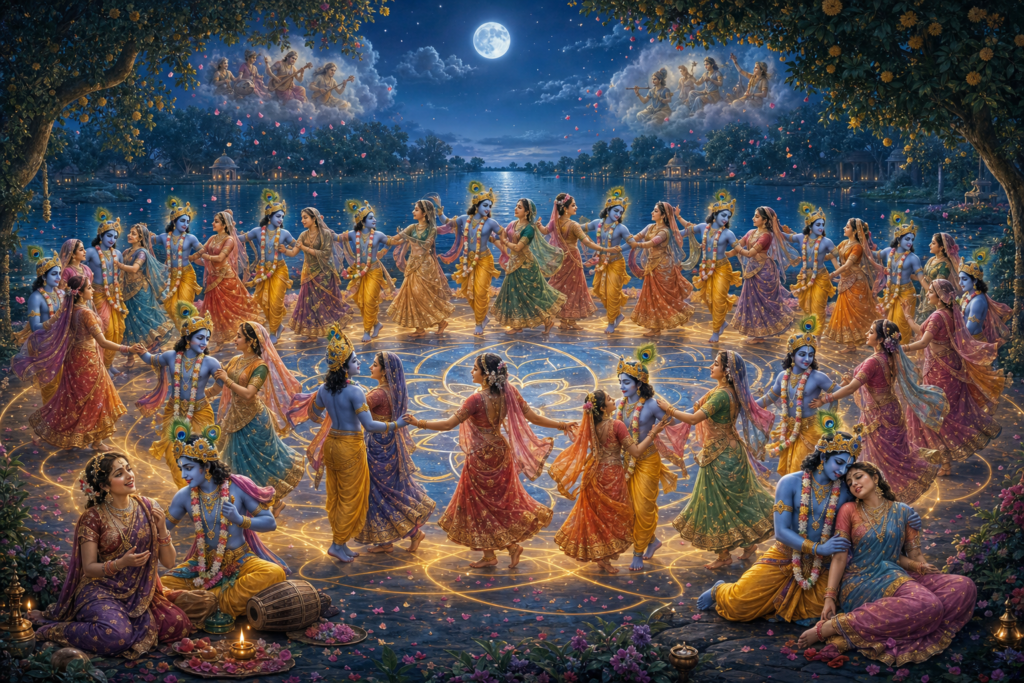
Culturally, the day is illuminated by grand celebrations. Dev Diwali transforms the ghats of Varanasi into a sea of light; Deepotsavam lights up temples and homes across India; and Ganga Mahotsav highlights music, devotion, and the living heritage of the river. The name Tripurari Purnima recalls the puranic narrative of Shiva vanquishing the three fortresses of adharma (Tripurasura), symbolizing the triumph of light and wisdom over darkness and ignorance. In many regions, additional customssuch as floating lamps on rivers and lakescreate a serene community experience centered on gratitude and renewal.
Regional calendars frame the day with subtle differences. In North Indian Hindi calendars, this Full Moon marks the end of Kartik Month. In other regional and lunisolar traditions, Kartik Purnima may align with different local month names or solar transitions, yet the devotional essence remains constant. These calendrical variations enrich India’s civilizational tapestry without altering the core spiritual intent.
In a broader dharmic context, Kartik Purnima fosters unity across traditions. Hindu communities honor the Full Moon with lamps, prayers, and charity; Buddhist communities may observe Uposatha with meditation and ethical reflection; Jain communities often engage in snatra puja, pratikraman, and acts of compassion; and Sikh communities frequently mark the period around Kartik Purnima with remembrance and service, as Guru Nanak Jayanti often coincides around this time in many years. The shared reverence for the Full Moon underscores a common quest for inner light, ethical living, and community harmony.
Families frequently describe Kartik Purnima as a day that brings calm and connection. Watching the moonrise together, lighting lamps at home altars, and recounting ancestral practices help transmit values across generations. Simple, heartfelt ritualssuch as a mindful diya offering or a collective reading of sacred passagesoften create memorable moments that blend devotion with a sense of togetherness.
Practical preparation enhances the experience: verify local Purnima Tithi timings a day in advance; gather eco-friendly lamps and oils; plan any snana at safe, clean water bodies; and align seva or charity with community needs. Temples and cultural organizations often host open, inclusive eventssuch as Deepotsavam and Ganga Mahotsavwhere participants from diverse backgrounds can engage in music, meditation, and service, embodying unity in diversity.
In summary, Purnima November 2025Kartik Purnima on November 5offers a complete spiritual arc: the culmination of Kartik Snana, the radiance of Dev Diwali and Deepotsavam, and the ethical emphasis of dāna, japa, and inner reflection. While Puranmashi timings vary by location and tradition, the underlying purpose is consistent: to honor light, cultivate virtue, and strengthen bondswithin families, communities, and across the wider dharmic family.
Inspired by this post on Hindu Pad.