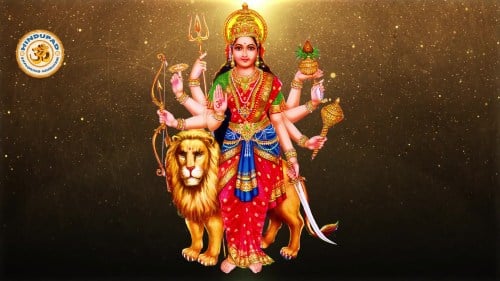
Kali Puja, also known as Shyama Puja, is observed on the Amavasya (new moon) that coincides with Diwali in the eastern parts of India. In 2025, Kali Puja falls on 20 October. The festival is most prominent in Bengal and is widely observed in Odisha, Assam, Tripura, Jharkhand, and in parts of Bihar and Uttar Pradesh. The night-long worship centers on Goddess Kali, the fierce and compassionate embodiment of Devi Shakti, and unfolds as homes and temples glow with rows of diyas alongside the Diwali lights.
As per the traditional Bengali calendar, Kali Puja aligns with the Kartik Amavasya (locally noted at times as the late Ashwin–Kartik cusp, depending on regional reckoning). The core rituals commence after dusk and culminate around midnight during the sacred Nishita Kala, when devotees perform focused worship with mantras, lamps, and offerings to invoke the protective and liberating presence of the Goddess.
The symbolism of Kali is profound: she dissolves ignorance, ego, and fear, illuminating the inner path just as the Diwali lights dispel outer darkness. Iconographically, the red hibiscus (jaba phul) is favored for worship, signifying vibrant life-force; the black of Amavasya becomes a canvas for renewal as Kali guides adherents to courage, clarity, and compassionate action. This interpretive frame resonates across dharmic traditionsHinduism, Buddhism, Jainism, and Sikhismin the shared emphasis on conquering inner negativity and fostering ethical strength.
Historically, Tantric and Shakta currents in eastern India nurtured the growth of Kali Puja. Its public prominence expanded in the 18th century under regional patronage, notably associated with the courts of Nadia and the famed Shovabazar Rajbari in Calcutta. In the modern period, devotion to Kali at Kalighat and Dakshineswar, and the teachings connected to Sri Ramakrishna, further deepened its spiritual and cultural reach. Over time, what was once a specialized ritual blossomed into a community-centric celebration that parallels Diwali while retaining a distinct Shakta identity.
The ritual texture varies by lineage and locality but typically includes purification, lighting earthen lamps, reciting mantras (such as “Om Krim Kalikayai Namah”), offering hibiscus garlands, preparing bhog, and honoring Bhairav. Community pandals feature elaborate murti installations, thematic alpona (rangoli) designs, and cultural performances. In many households, offerings remain sattvic and symbolic; where older practices once included animal sacrifice, contemporary communities across the region increasingly choose non-violent, symbolic alternatives aligned with the inclusive ethics of dharmic traditions.
Regional expressions enrich the festival’s texture. In Bengal, Kali Puja is the luminous climax of the Diwali night; the preceding evening, Bhoot Chaturdashi, sees families lighting fourteen lamps to remember ancestors and ward off negative energies. Odisha (especially Cuttack) is renowned for superb silver filigree (chandi medha) backdrops at pandals. Assam’s Shakta heritage echoes through temple observances that honor the Mother as the ultimate protector. In Tripura, Jharkhand, Bihar, and parts of Uttar Pradesh, Kali Puja complements Diwali with local customs that frame the Goddess as both fierce guardian and tender guide.
Across the broader dharmic family, the festival’s core message of overcoming darkness and cultivating fearlessness finds natural kinship. The Shakta emphasis on inner transformation dialogues with Buddhist insights into dispelling ignorance, Jain commitments to self-mastery and non-violence, and Sikh teachings on dissolving fear and serving humanity. Framed this way, Kali Puja becomes a shared invitation to deepen ethical clarity, compassion, and communal harmony without erasing the rich diversity of practice.
Several lesser-known aspects underscore the festival’s breadth: the midnight Nishita Kala is considered especially potent for meditative worship; red hibiscus symbolizes life-force and purity of intent; the traditional depiction of Mahakali standing upon Shiva communicates the dynamic primacy of Shakti as the power that animates consciousness; and in many neighborhoods, intergenerational lamp-lighting rituals cultivate belonging, memory, and cultural continuity.
For those observing at home in 2025, a mindful approach is straightforward and inclusive. Prepare a clean, quiet space with a small altar and lamp. Offer flowerspreferably hibiscus where availablefruits, and simple sattvic dishes as bhog. Chant a short mantra with steady attention, reflect on personal obstacles to be released, and dedicate the merit of the practice to family, community, and the wider world. Concluding with prayers for peace and unity aligns the celebration with the shared dharmic aspiration of universal well-being.
In essence, Kali Puja 2025 on 20 October is both a cultural treasure of Bengal and a pan-eastern Indian celebration that converges with Diwali. Its academic significance lies in the continuity of Shakta worship, the evolution of public ritual culture, and the interweaving of local and pan-Indian identities. Its lived significance lies in the courage it inspires, the compassion it awakens, and the unity it nurtures across Hinduism, Buddhism, Jainism, and Sikhismturning the darkest night into a moment of collective illumination.
Inspired by this post on Hindu Blog.