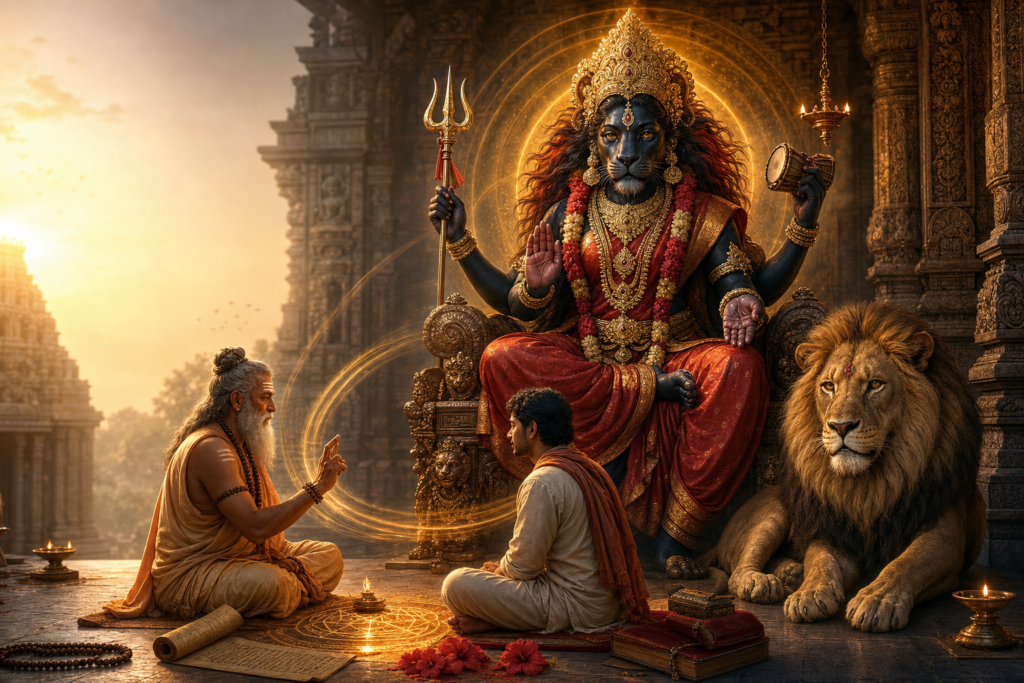
Dhanurmasam Pooja at Yadagirigutta (Yadadri) Sri Lakshmi Narasimha Swamy Temple is widely revered across Vaishnava temples for its pre-dawn devotion and contemplative ambience. Observed during the auspicious winter month dedicated to Sri Vishnu, the observance draws pilgrims who seek serene worship, precise ritual, and the profound experience of collective chanting.
For 2025–2026, Dhanurmasam begins on 16 December 2025 and concludes on 14 January 2026, aligning with the broader Dhanurmasa Utsavalu observed in Vaishnava temples. The period encompasses Vaikunta Ekadashi and culminates close to Makara Sankranti 2026, offering a concentrated arc of worship that emphasizes devotion, discipline, and remembrance of the Lord.
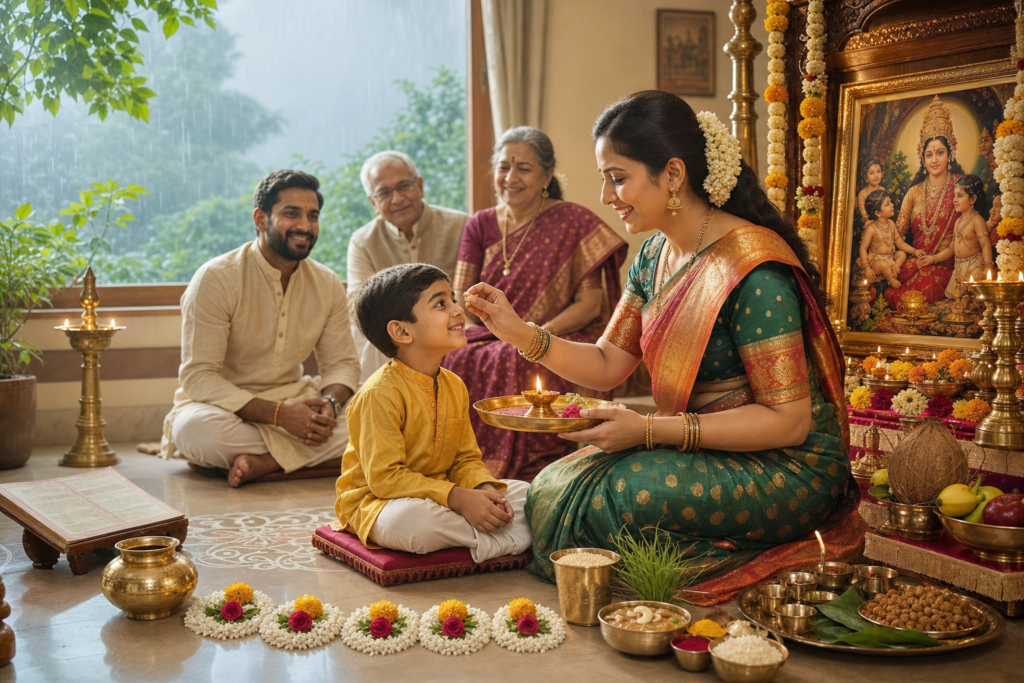
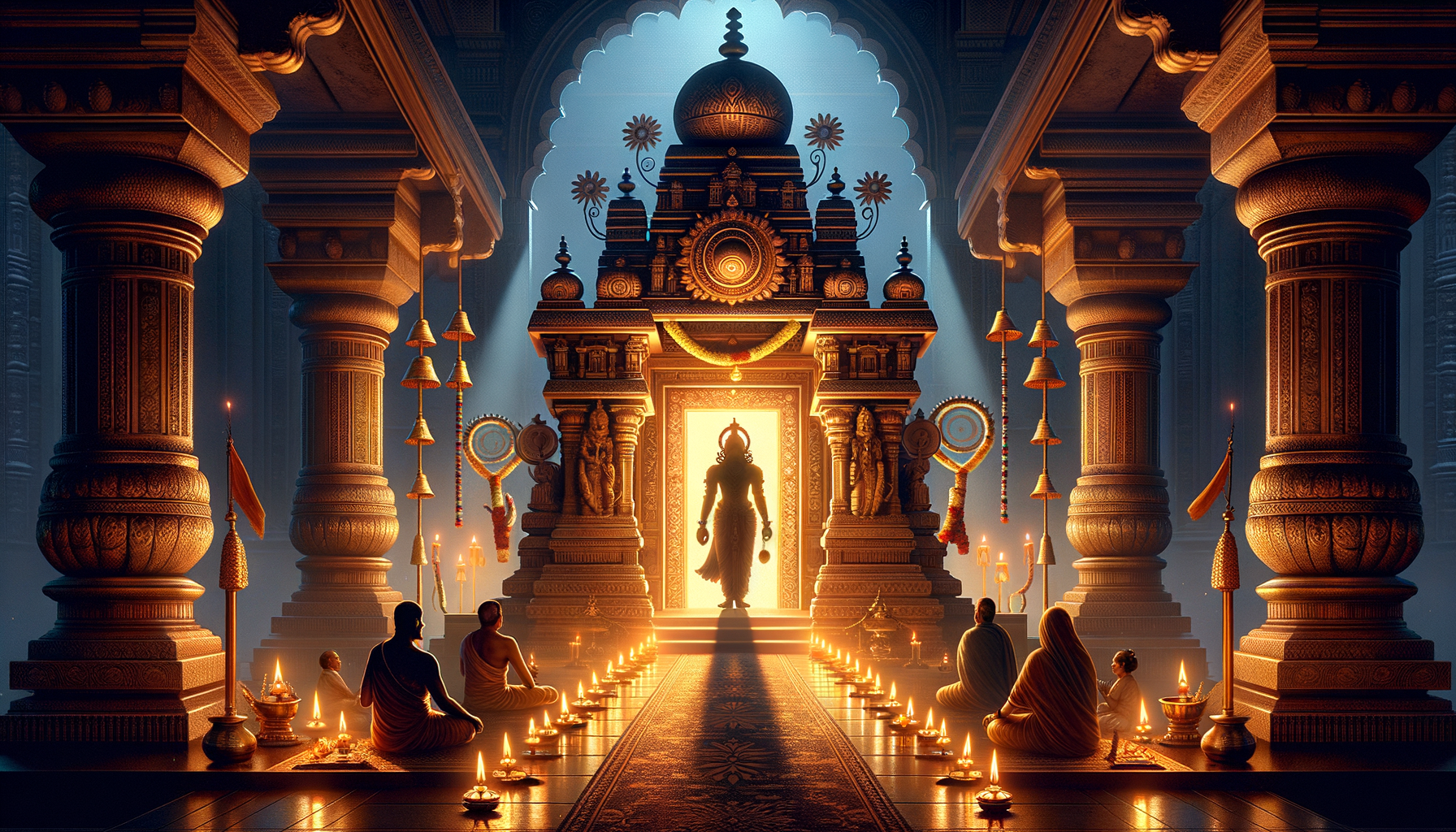
Daily observances during Dhanurmasam at Yadagirigutta emphasize early-morning worship, when the temple atmosphere is hushed and luminous. Devotees encounter the fragrance of tulasi, the cadence of Vedic recitations, and the devotional rendering of Tiruppavai. Archana, alankaram, and naivedyam to Sri Lakshmi Narasimha Swamy follow a precise rhythm that reinforces focus and inner stillness, while the collective darshan fosters a shared sense of sanctity.
Among the month’s highlights, Vaikunta Ekadashi stands out for its special darshan arrangements and continuous nama-japa. The recitation of sacred hymns, including Vishnu Sahasranama, and the observance of Ekadashi vrata deepen the contemplative mood. Adhyayanotsavalu further enriches the season through sustained study and chanting, as devotees listen to scriptural recitations that illuminate the compassionate presence of Sri Vishnu.
Visitors frequently describe the Dhanurmasam ambiance in experiential terms: the chill of the pre-dawn breeze, the glow of lamps against ancient stone, the resonance of bells, and the steady chorus of voices in praise. Families and groups often arrive together, finding both community and quietude, and many relate a lingering sense of clarity and gratitude after receiving prasadam and darshan.
The spirit of Dhanurmasam naturally aligns with the broader unity of dharmic traditions. The emphasis on early prayer, disciplined remembrance, and collective harmony echoes practices such as morning kirtan in Sikh gurdwaras, meditative chanting in Buddhist monasteries, and reflective pratikraman in Jain traditions. This shared ethos underscores a simple truth: diverse paths can nurture one inclusive culture of devotion, compassion, and inner transformation.
Practical planning enhances the experience. Given increased footfall during Vaikunta Ekadashi and weekends, arriving early supports a calmer darshan. Consulting the temple’s published schedule for Dhanurmasa Utsavalu, including specific timings for Tiruppavai parayanam and special sevas, helps devotees participate meaningfully. Many visitors also find that weekday mornings offer quieter moments for meditation and unhurried worship.
In sum, Dhanurmasam Pooja at Yadagirigutta Temple blends meticulous ritual with a deeply accessible devotional rhythm. Through Vaikunta Ekadashi, Adhyayanotsavalu, and daily pre-dawn worship, devotees encounter the grace of Sri Lakshmi Narasimha Swamy in a setting that cultivates inner steadiness, communal harmony, and an abiding reverence for the dharmic heritage that unites many paths.
Inspired by this post on Hindu Pad.