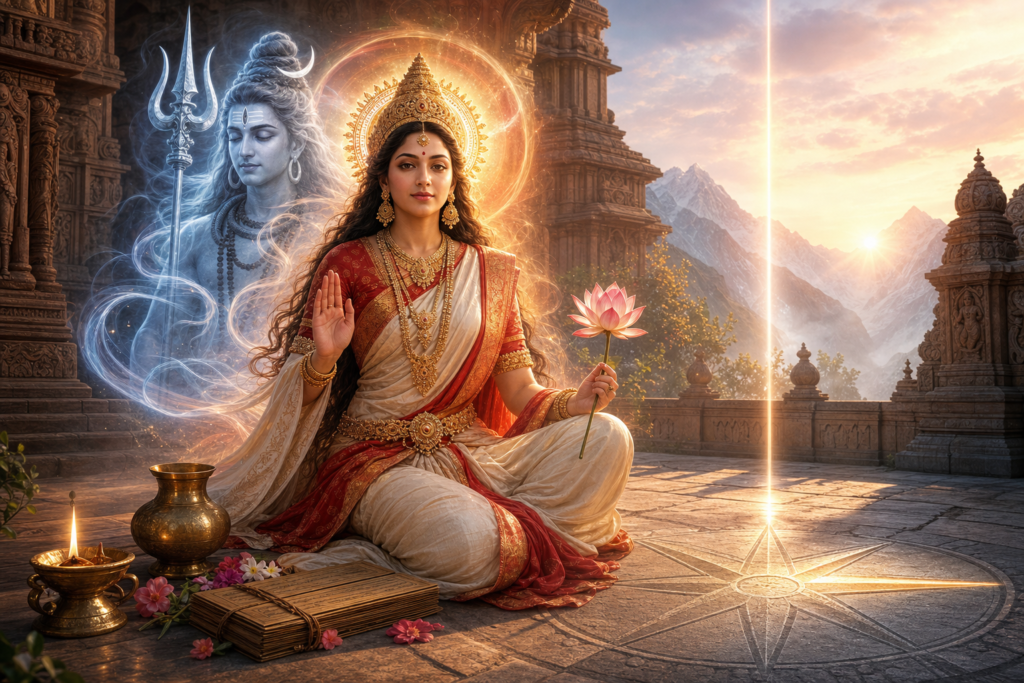
On Thursday, December 4, 2025, the Hindu calendar (Panchang) observes a transition from Shukla Paksha Chaturdashi to Purnima. In most regions, Shukla Paksha Chaturdashithe fourteenth lunar day in the waxing phaseprevails until 7:04 AM, after which Purnima (the full moon tithi) continues for the remainder of the day. This sequence aligns with traditional reckoning where the tithi changes at a specific lunar moment rather than at sunrise.
Shukla Paksha Chaturdashi holds significance for preparation, refinement of intent, and culmination of endeavors initiated earlier in the fortnight. Many households use the early morning window to complete vratas, maintain satvika routines, and undertake quiet reflection before the tithi shifts. The period is often experienced as one of poised energy, inviting disciplined practice and mindful action.
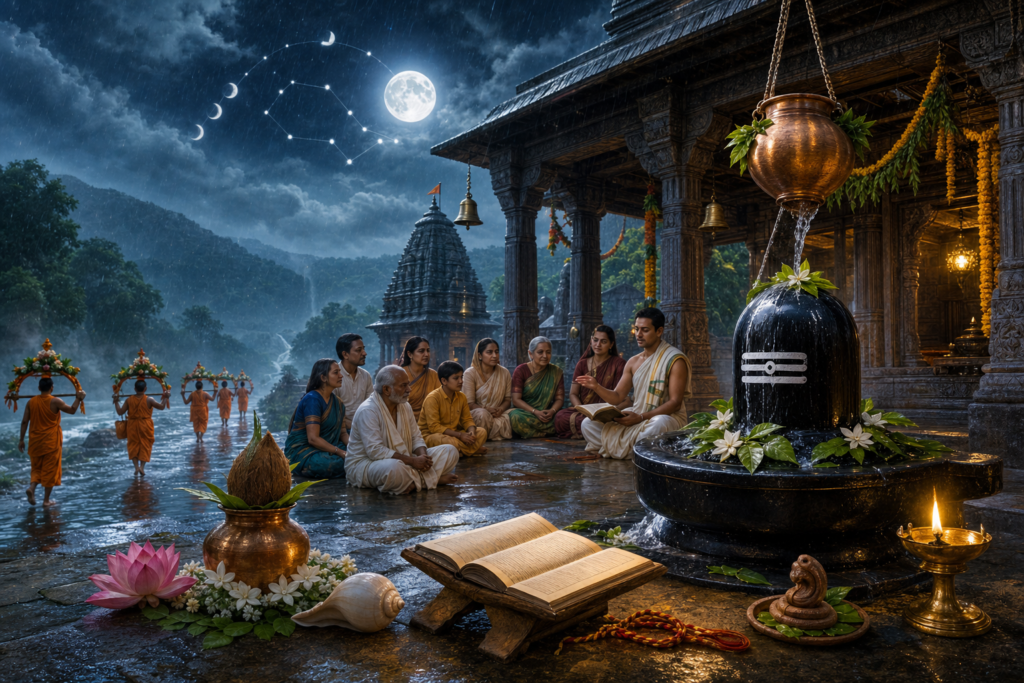
With the onset of Purnima after 7:04 AM, the day turns toward fullness, clarity, and community observance. Purnima is traditionally associated with heightened devotional practices, daana (charity), collective prayers, and contemplation. Devotees frequently report a sense of calm and upliftment under the full moon, making it a meaningful time for meditation, japa, and scripture recitation across diverse Dharmic traditions.
Auspicious timing (often referred to as good time or muhurat) on this date is best verified through a region-specific Panchang, as local sunrise, sunset, and longitude/latitude affect calculations. Commonly observed auspicious windows such as Abhijit Muhurat occur around local midday, yet exact spans vary by location. For important sankalpas, consulting a local priest, astrologer, or city-specific Panchang ensures precision without compromising intent.
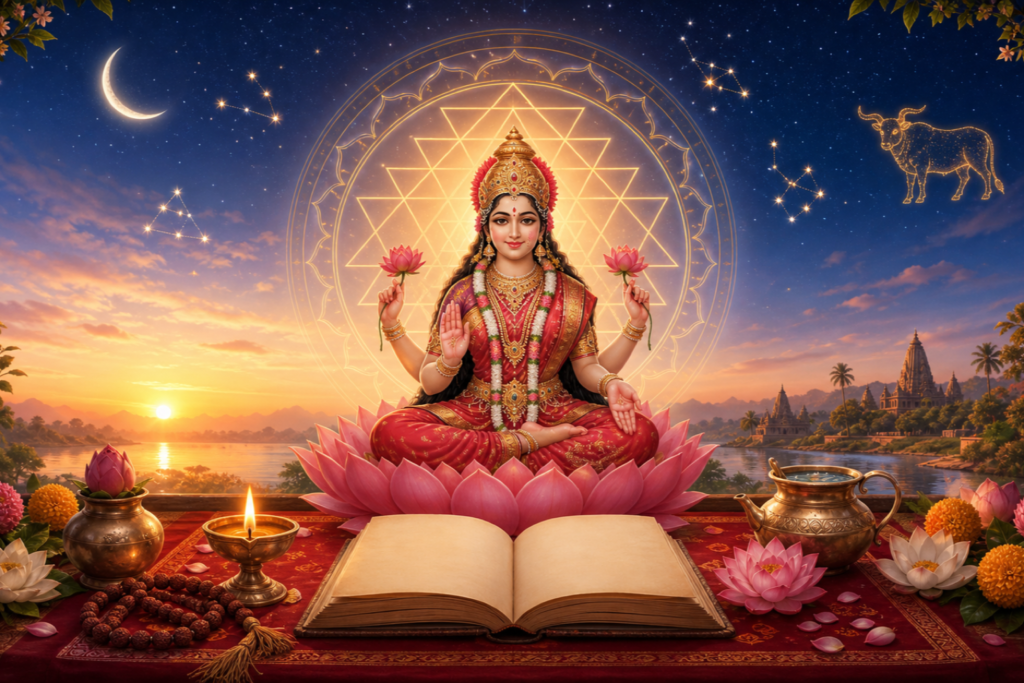
Nakshatra and Rashi details for December 4, 2025, are location-dependent and may span more than one constellation or sign over the course of the day. Their interpretive valueguiding personal discipline, devotional focus, and ritual sequencingremains integral to the Panchang. Readers are encouraged to check a regional almanac for the precise Nakshatra and Moon’s Rashi applicable to their time zone.
Simple observances harmonize the spirit of the day: maintain satvika food, offer a lamp in the evening, recite a familiar stotra or mantra, and dedicate time to silent meditation. Families often engage in collective readings and small acts of charity, finding that shared intention deepens personal practice and strengthens community bonds.
In keeping with the shared ethos of Sanatana traditions, this full-moon observance speaks to unity-in-diversity across Hinduism, Buddhism, Jainism, and Sikhism. Contemplative silence, ethical living (ahimsa, satya), and community service are pathways that resonate across these lineages, reinforcing mutual respect and spiritual kinship on a luminous Purnima night.
Summary for planning: Shukla Paksha Chaturdashi lasts until 7:04 AM (most regions), followed by Purnima for the rest of the day. For precise muhurat, Nakshatra, and Rashi, refer to a localized Panchang or city-based calculation to align observances with accurate timings.
Inspired by this post on Hindu Blog.