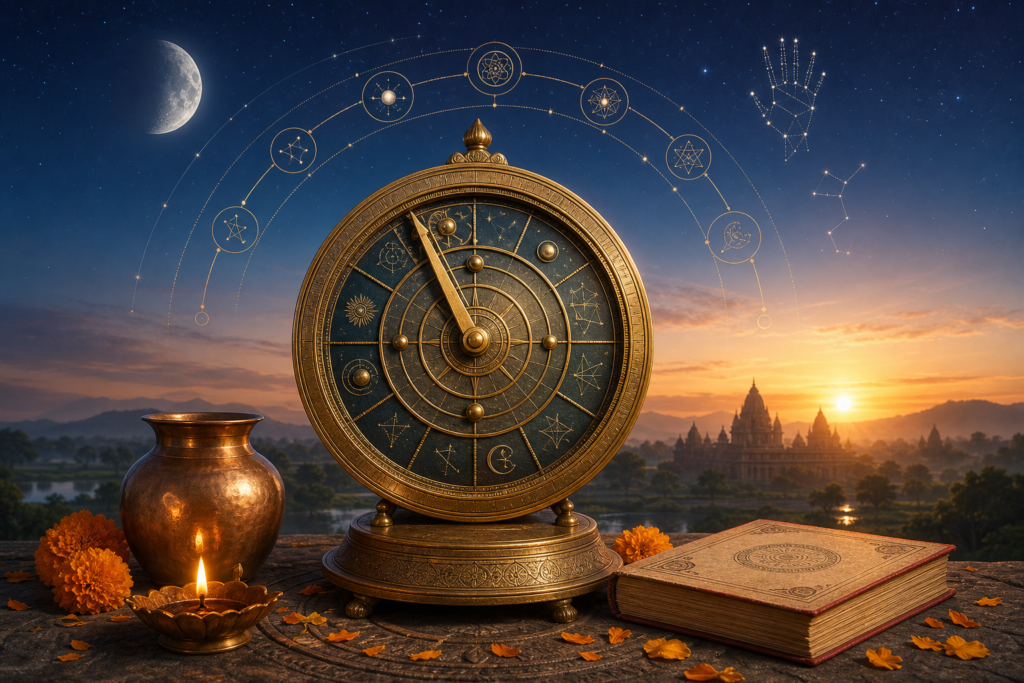
Sunday, November 2, 2025, aligns in the Hindu Calendar (Panchang) with Shukla Paksha Dwadashi. The day begins with Shukla Paksha Ekadashi prevailing until 2:57 AM (local time in most regions). From that moment onward, Shukla Paksha Dwadashi continues through the day, marking the twelfth lunar tithi in the waxing phase of the moon.
This tithi sequenceEkadashi transitioning into Dwadashiholds time-tested significance across dharmic traditions. Many households observe vrata on Ekadashi and conclude the fast (parana) during Dwadashi, cultivating discipline, clarity, and inner balance. Such practices echo a shared spiritual grammar that resonates with Hinduism, Buddhism, Jainism, and Sikhism: mindful restraint, compassion, and collective well-being. The Panchang thus serves as a unifying timekeeper of sacred rhythms that many communities experience together.
For those planning observances, the transition at 2:57 AM offers a clear anchor. Devotees often integrate japa, simple satvik meals, study of sacred texts, or quiet seva into the day’s routine. When Ekadashi fasts are observed, Dwadashi becomes the appropriate time for parana according to one’s sampradaya and local tradition. A calm Sunday schedule can support reflective practice, temple visits, or contemplative walksrituals that help translate lunar time into lived serenity.
Nakshatra, Rashi, and specific auspicious windows (subha muhurat) vary by location and calculation method. For accurate guidance, consulting a local Panchang, temple noticeboard, or trusted regional almanac is recommended. This approach honors regional diversity while preserving the unity of core values shared across dharmic paths. In practice, aligning personal intentions with the lunar tithiShukla Paksha Dwadashioffers a reliable framework for prayer, study, and community harmony.
As the waxing moon builds light, Shukla Paksha Dwadashi is traditionally associated with steadiness and devotion. Many find that consistent, gentle disciplinesregular meditation, mindful speech, and acts of carecarry the spirit of the tithi into daily life. In this way, the Panchang becomes more than a calendar: it becomes a bridge connecting households, lineages, and traditions in a shared pursuit of wisdom.
Inspired by this post on Hindu Blog.