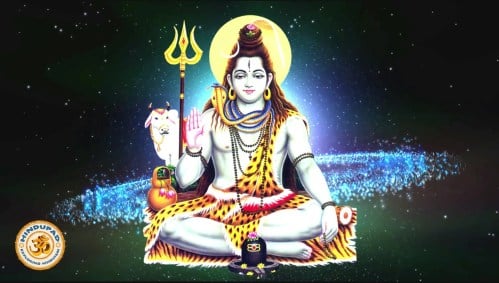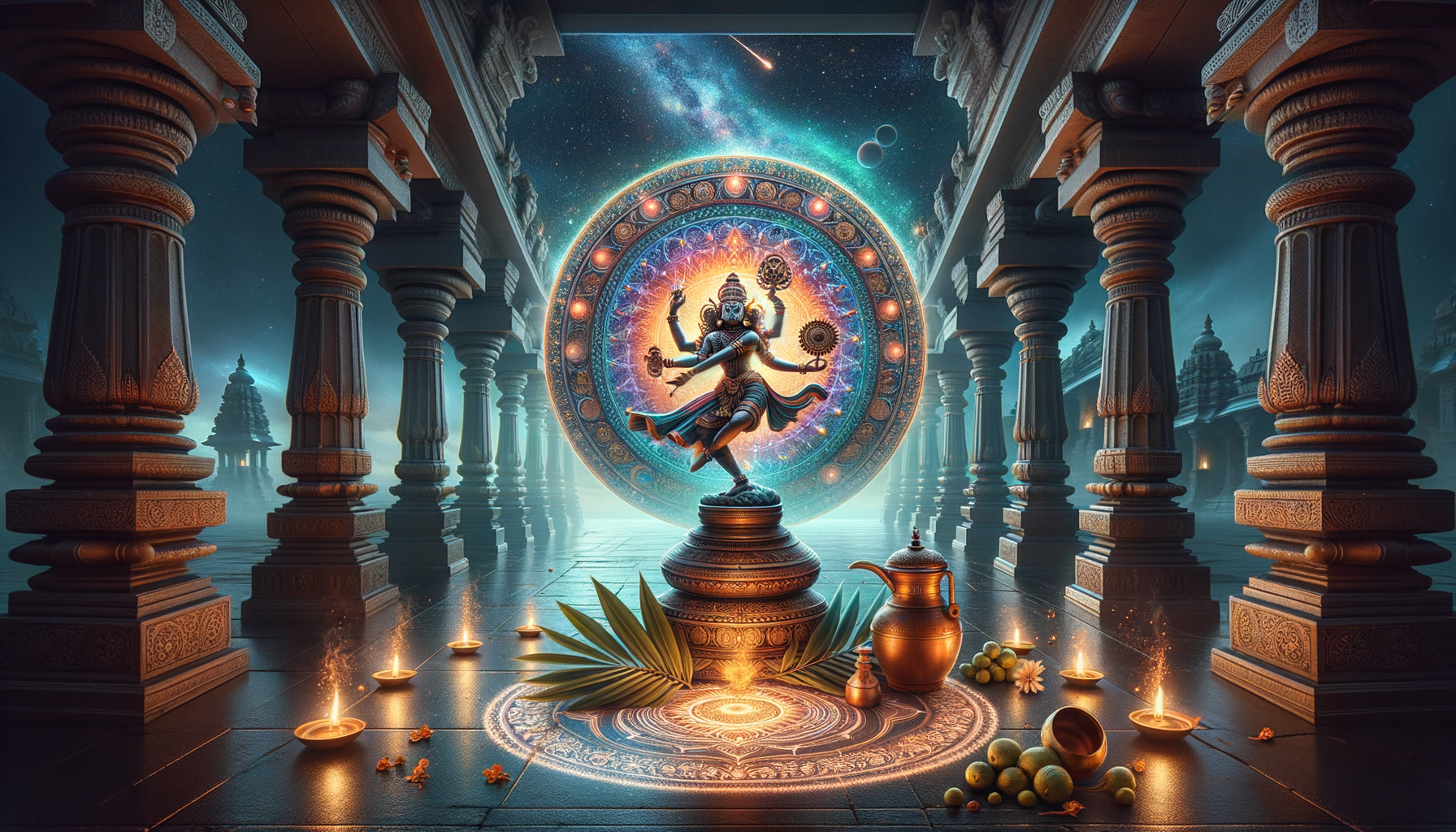
Arudra Darshan (Arudra Darisanam, Aruthra Darshanam) is observed in Margali Masam (Margazhi) to honor the cosmic dance of Lord Shiva, the Shiva Tandava, as Natarajar Swamy. In 2026, Arudra Darshan falls on January 3, aligned with Thiruvathira nakshatram (Arudra). The occasion is revered across Tamil-speaking regions and by the wider Hindu diaspora for its profound symbolism of rhythm, renewal, and inner stillness.
The festival centers on NatarajaShiva as the Lord of Dancewhose Ananda Tandava signifies the cycle of creation, preservation, and dissolution. This iconography, especially celebrated in temples such as Chidambaram, illuminates how the universe moves in harmony, even as consciousness rests in stillness. Arudra Darisanam invites contemplation of this paradox, encouraging calm awareness amid life’s ceaseless motion.
Traditionally, devotees participate in pre-dawn abhishekam, deepa aradhana, and processions, while chanting Shaiva hymns and reciting Tiruvempavai throughout Margazhi. Many observe vrata (fasting or dietary restraint), offer Bilva patra, and meditate on “Om Namah Shivaya.” Families often describe the Margazhi dawn bells, the fragrance of lamps, and the cadence of Thevaram as evoking a gentle, enduring devotion that passes from one generation to the next.
Arudra Darshan 2026 occurs on January 3 when Thiruvathira (Arudra) nakshatra prevails. While the date is uniform, local panchang calculations refine the auspicious window for darshan and temple rituals. Checking regional almanacs ensures alignment with community practice and temple schedules.
Across Tamil Nadu, Arudra Darisanam is marked by special Nataraja abhishekam and public darshan, while in Kerala, the closely related Thiruvathira festival carries distinctive cultural expressions and graceful dance traditions. In many households, the day becomes a contemplative retreat: lamps are lit at dawn, verses are sung in the soft chill of Margazhi, and children learn the meaning of Shiva’s dance as the pulse of time and truth.
Practices for devotees commonly include: lighting a lamp at sunrise, chanting “Om Namah Shivaya,” reading select verses from Thevaram or Tiruvempavai, offering Bilva leaves, and maintaining a silent period of introspection. Simple actions, performed with steadiness, are regarded as a direct way to experience the serenity at the heart of Shiva Tandava.
The philosophical essence of Arudra Darisanamfinding stillness within motionresonates across dharmic traditions. In Buddhism (mindfulness), Jainism (Samayik), and Sikhism (simran and kirtan), disciplined awareness cultivates inner equilibrium that mirrors the spiritual poise of Nataraja. This shared emphasis on inner clarity and compassion strengthens unity among Hindu, Buddhist, Jain, and Sikh communities while honoring each tradition’s unique pathways.
For many, Arudra Darshan becomes a reflective milestone in Margazhi: a moment to reaffirm gratitude, align personal discipline with cosmic rhythm, and extend goodwill to all beings. Observed with sincerityat home or in templesit offers devotees a felt sense of renewal, and a reminder that wisdom and harmony arise when devotion meets steady practice.
Inspired by this post on Hindu Pad.