-
Did Satyagraha Alone Free India? A Complete, Evidence-Based Breakdown of a Historic Triumph

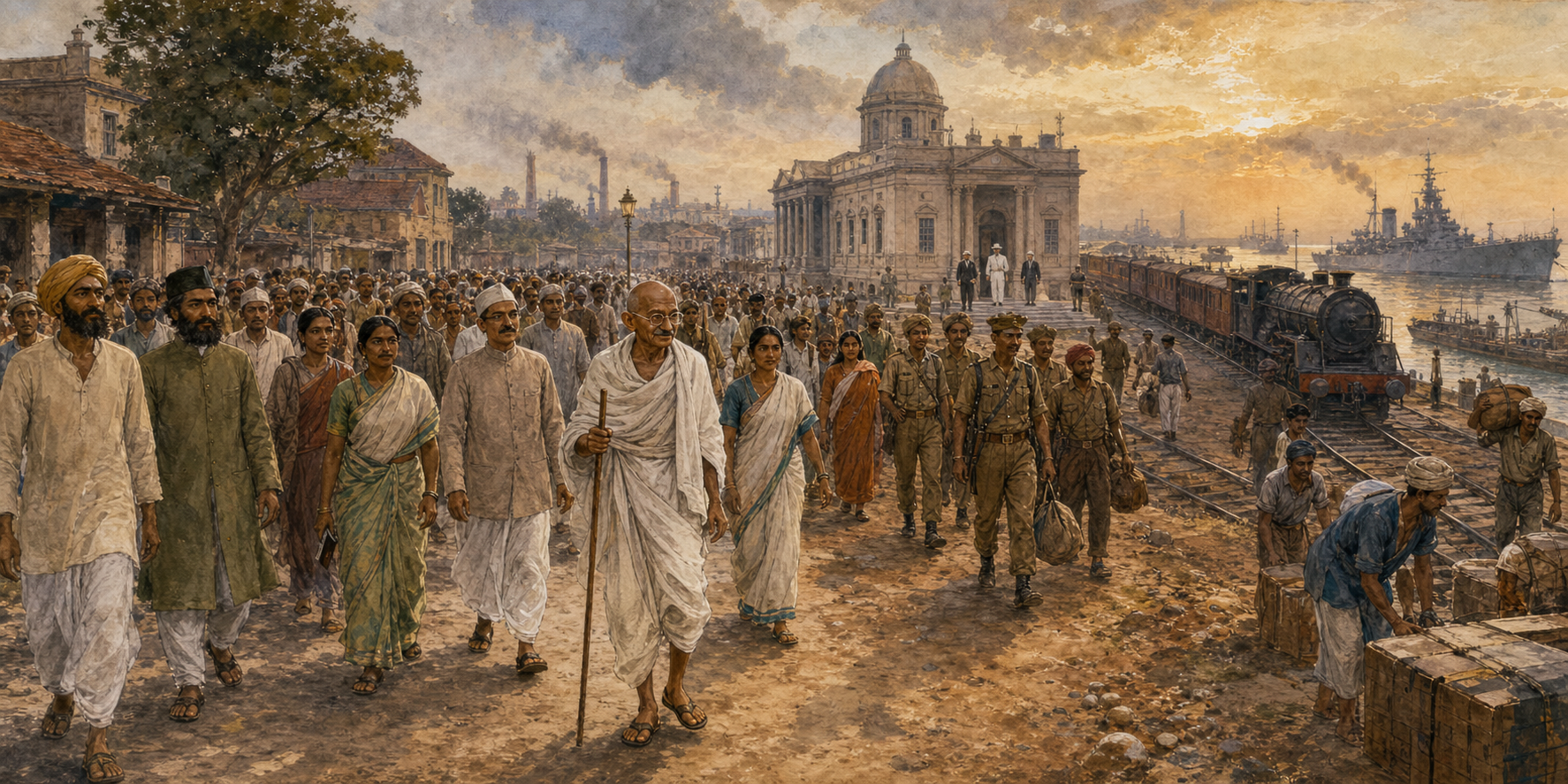
Did Satyagraha by itself free India, or did independence arise from converging forces? This analysis presents a complete, evidence-based view: Gandhi’s Satyagraha generated moral legitimacy and mass mobilization, while World War II exhaustion, global anti-colonial currents, the INA trials, and the Royal Indian Navy mutiny shifted the British calculus. It shows how dharmic principles—ahimsa, karuṇā,…
-
Discover the Complete, Evidence‑Based Reassessment of Gandhi’s Ahimsa and India’s Transformation

This evidence-based reassessment places Gandhi’s Ahimsa and Satyagraha in a wider dharmic framework that values both moral courage and responsible protection. It highlights how Hinduism, Buddhism, Jainism, and Sikhism converge on non-violence while acknowledging duties to prevent harm. By contrasting successful non-violent mobilizations with moments of crisis during the late British Raj and the Partition…
-
Ancient Roots of Ghar-Wapsi: The Complete, Evidence-Based Guide to Dharmic Homecoming

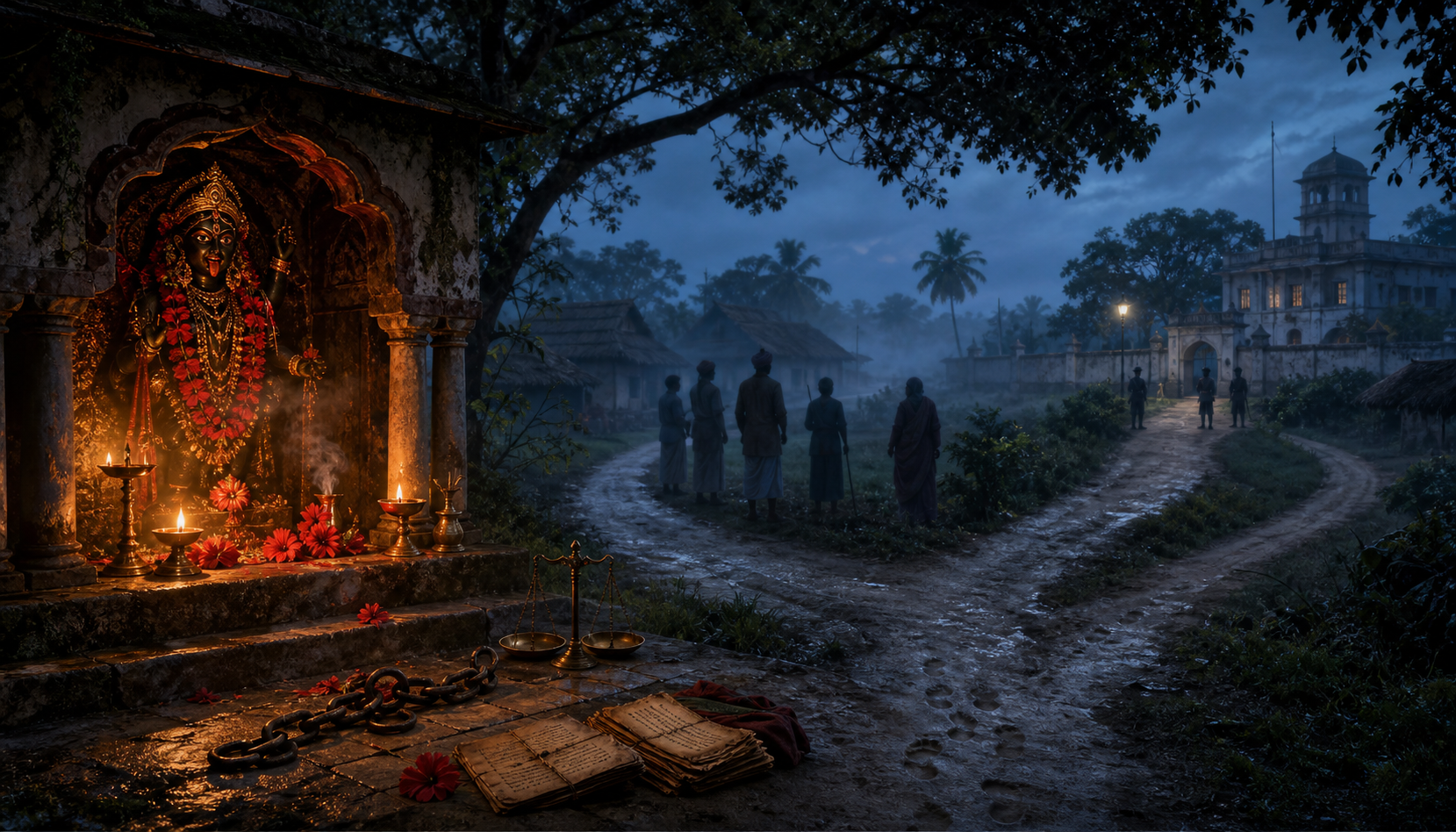
This analysis uncovers the ancient, textually grounded origins of Ghar-Wapsi as a dharmic homecoming rooted in Dharmashastras, Vedic ritual, and temple-centered practice. It clarifies how prāyaścitta, śuddhi, and the Vratya-stoma offered compassionate, evidence-based pathways for ethical restoration in Ancient India. By mapping parallels in Buddhism, Jainism, and Sikhism, it shows a shared, inclusive ethic that…
-
Complete Introduction to the Devala-Smriti: Discover Proven Ethics for Unity and Renewal

Devala-Smriti is a concise, influential Dharmasastra text that prioritizes restorative ethics through prāyaścitta and śuddhi. Framed by desa–kāla–pātra, it balances standards with reintegration, turning lapses into opportunities for social repair. Its approach to Mlēccita-śuddhih demonstrates structured inclusion relevant to today’s global mobility and ghar-wapsi debates. The text’s emphasis on satya, ahiṃsā, śauca, dayā, and dama…
-
Essential Guide to the Dēvala-Smriti: Discover a Proven Medieval Blueprint for Dharma Unity

Composed in the tenth century CE, the Dēvala-Smriti exemplifies how Hindu legal thought responded swiftly and judiciously to changing social realities. Positioned within the Dharmashastra tradition, it balances universal principles with contextual prudence to sustain community cohesion. Its practical guidance on conduct, ritual propriety, and corrective measures reflects a sophisticated, serviceable jurisprudence. Read through a…
-
The Complete Renaissance Breakthrough: Discover the Proven Forces that Transformed Italy

This analysis identifies the twin engines of Italy’s Renaissance: financial innovation and the rediscovery of Roman antiquity. It shows how Cosimo de’ Medici, the Medici Bank, and expanding commerce enabled patronage that fueled art, education, and architecture. It explains why the 14th-century revival surpassed earlier rediscoveries through urbanization and higher literacy. It highlights concrete classical…
-
Discover the Saraswati–Sindhu Breakthrough: Proven Power of Decentralized Collective Governance

The Saraswati–Sindhu Civilization challenges the assumption that cities require powerful ruling elites. Spanning an immense geography for centuries, the SSC left few traces of palatial exclusivity yet abundant evidence of urban planning, standardized weights, civic water management, and open-access public amenities. Seals, craft debris, and meeting spaces point to federated production, shared norms, and neighborhood-level…
-
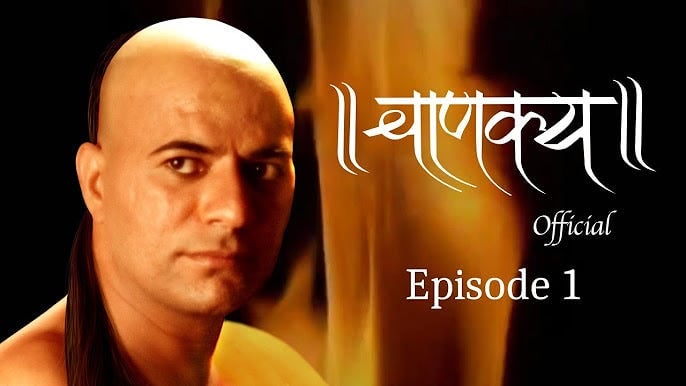
Complete Mudrarakshasa Analysis: Discover Chanakya–Rakshasa Statecraft and Essential Dharma

Mudrarakshasa is a Sanskrit political thriller that showcases Chanakya’s and Rakshasa’s mastery of statecraft, espionage, and ethical reasoning in the formative years of the Maurya Empire. The drama’s alternating scenes read like shatranj with human stakes, revealing how forged letters, disciplined intelligence work, and psychological insight can alter the balance of power. Far from caricaturing…
-
The Complete Inside Story: Ibādat Khāna, Secularism, and Academic Power Struggles

This analysis reconstructs K. K. Muhammed’s account of identifying the Ibādat Khāna at Fatehpur Sikri and the ensuing disputes with Prof. Irfan Habib at AMU, situating the episode within Indian historiography and academic power dynamics. It highlights how labels such as “secular” and “communal” have been deployed in institutional contexts, affecting careers, discourse, and public…
-
Complete Analysis of D.N. Jha’s Claims: Discover Facts, Context, and Dharmic Harmony

This academically balanced analysis explores the debates surrounding D.N. Jha, assessing his Marxist historiographical approach, its reception, and its impact on understanding Indian history. Readers discover how The Myth of the Holy Cow is interpreted both as source-critical scholarship and as insensitive to the cow’s sacred status in dharmic life. The discussion addresses concerns about…
-
The Complete Dharmic Ghar-Wapsi Debate: Discover Lessons from Devala-Smriti to the Meos

This analysis traces how Dēvala-Smriti, Vijnaneshvara’s commentary on Yājñavalkya-Smr̥ti, and Vidyāranya’s Pancadasi articulated principled pathways for Parāvartana (return) and Mlēcchita-śuddhih (purification). Readers discover how these sources offered durable tools for social reintegration, even in times of coercion and conflict. The discussion situates changing historical conditions—from early incursions to the Delhi Sultanate—showing why Śuddhikaraṇa became more…
-
Seven Years of The Dharma Dispatch: Essential Reflections and Breakthroughs in Dharmic Heritage

This seventh-anniversary reflection of The Dharma Dispatch coincides with Navaratri, emphasizing gratitude, quiet scholarship, and dharmic unity across Hinduism, Buddhism, Jainism, and Sikhism. It highlights research milestones, including a twelve-part study on Ghar-Wapsi, a biographical analysis of Murshid Quli Khan, and acclaimed work on D.V. Gundappa’s renunciate poetry. Essays on ancient India’s Greek connections, the…
-
The Complete History of Parāvartana: Discover Ghar-Wapsi from Vijayanagara to the Marathas

Parāvartana, or Ghar-Wapsi, has historically served as a voluntary, community-led pathway for social reintegration across the dharmic spectrum. Two landmark case studies—the Vijayanagara mass Shuddhi after the 1398 CE Bahmani conflict and the Maratha-era institutional framework under Chhatrapati Shivaji—show how restoration was pursued with consent, due process, and scriptural guidance. The Arya Samaj’s later Shuddhi…
-
Discover Eksar’s Viragals: A Complete, Proven Guide to Mumbai’s Forgotten Naval Heritage

Eksar in Borivali West appears today as a modern residential enclave, yet its surviving hero stones (Viragals) reveal a remarkable maritime past central to the Konkan coast and the prized port of Sopara. These eleventh- to thirteenth-century memorials vividly depict naval battles, royal processions, elephant corps, and celestial ascent—rare iconography in Indian epigraphy. Drawing on…
-
The Complete Guide to Stambheshwara’s Divine Legacy: Discover Seeyamangalam’s Rock‑Cut Masterpiece

This article situates the Stambheshwara Temple of Seeyamangalam within a broad South Indian and global historical frame, beginning with the Battle of Wandiwash near Vandavasi and its link to the Seven Years’ War. It explains how Vandavasi’s corridor has long been both a trading artery and a sacred geography rich in Hindu and Jain heritage.…
-
Essential Breakthrough: Rethinking Vedic Origins, Saraswati, and Aryan Migration

This analysis revisits the Vedic people through archaeology, linguistics, and Vedic textual geography to clarify how Saraswati, Aryan Migration, and Out of India debates intersect. It highlights dense Harappan settlements along the Ghaggar–Hakra (Saraswati) paleochannel and explains why Vedic references to a mighty river matter for chronology. It reviews leading Indo-European homeland models and the…
-
Discover the Proven Monsoon Secrets Behind Dhows to Khor Fakkan: Kerala’s Gulf Breakthrough

A dhow’s run from Kerala to Khor Fakkan reveals how predictable monsoon winds, lateen sails, and Indian Ocean navigation unified trade and migration long before steam. This piece situates the Malayalam film Pathemari within the broader history of Kerala–Gulf journeys and the spice trade. Readers discover the role of Basra, Jiddah, Muscat, and Aqaba in…
-
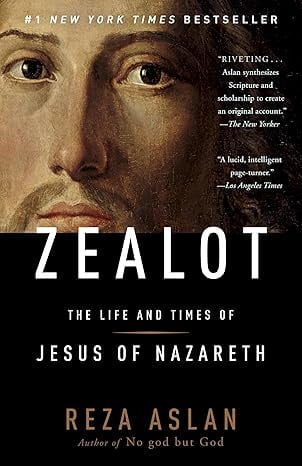
Zealot by Reza Aslan: A Complete, Context-Driven Reappraisal to Discover the Historical Jesus

Reza Aslan’s Zealot reframes Jesus within the upheavals of Second Temple Judaism and Roman occupation, distinguishing the theological Jesus of the Gospels from the historically situated Yeshua. The book anchors its case in two facts: Jesus led a popular Jewish movement and was crucified by Rome for political reasons. It traces post-crucifixion developments—from the Jerusalem…
-
Calico’s Secret Journey: Discover How Indian Cotton Shaped Empires and Caribbean Piracy

This article traces calico’s remarkable journey from Kozhikode’s looms to Nassau’s docks, revealing how Indian cotton powered ancient trade, fired European consumer demand, and reshaped empires. Readers discover the chemical ingenuity behind India’s colorfast dyes and the vibrant networks—Hindu artisans, and Muslim and Jewish merchants—that moved textiles across seas. The narrative clarifies how East India…
-
From Troy to Kampilya: Discover the Proven, Unbroken Continuity of India’s Civilization

Why do some archaeological finds electrify the world while others feel quietly familiar to local communities? This essay explains how India’s living continuity of land, people, and story makes many “discoveries” corroborations of persistent memory rather than revelations. From Troy and Kampilya to Vedic Saraswati, Abhijit (Vega), and Dwaraka, it presents evidence for an accumulative…