-
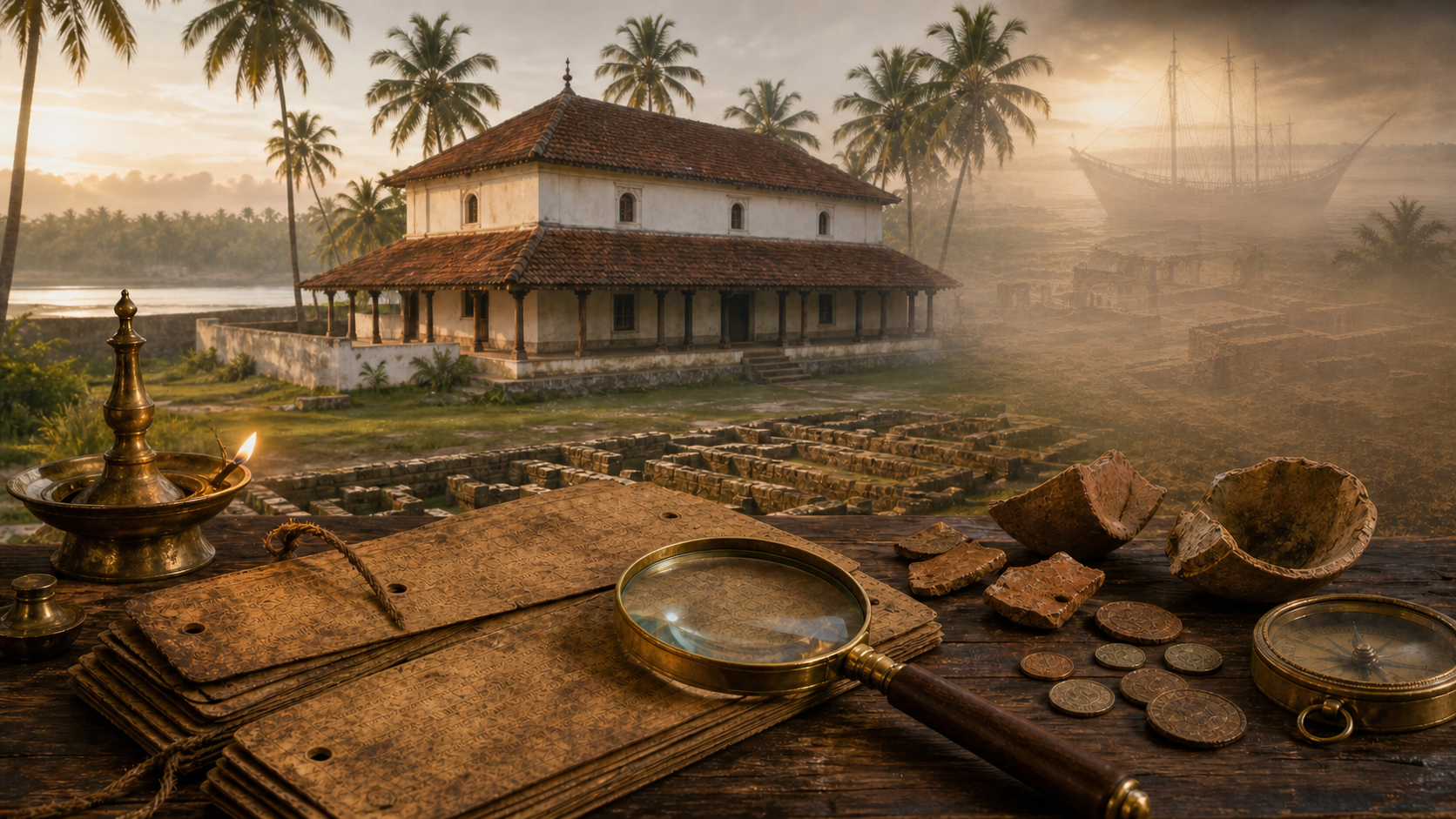
How a 1990s HRD Directive Stalled Ayodhya Excavations—and Shaped the Ram Mandir Timeline

The post examines how an HRD Ministry directive in the 1990s, issued to ASI official K.V. Ramesh, effectively slowed Ayodhya excavations and influenced the Ram Mandir timeline. It situates the directive within a complex political and social climate following December 6, 1992, emphasizing the need for transparent, court-supervised archaeology. The analysis explains how administrative pauses…
-
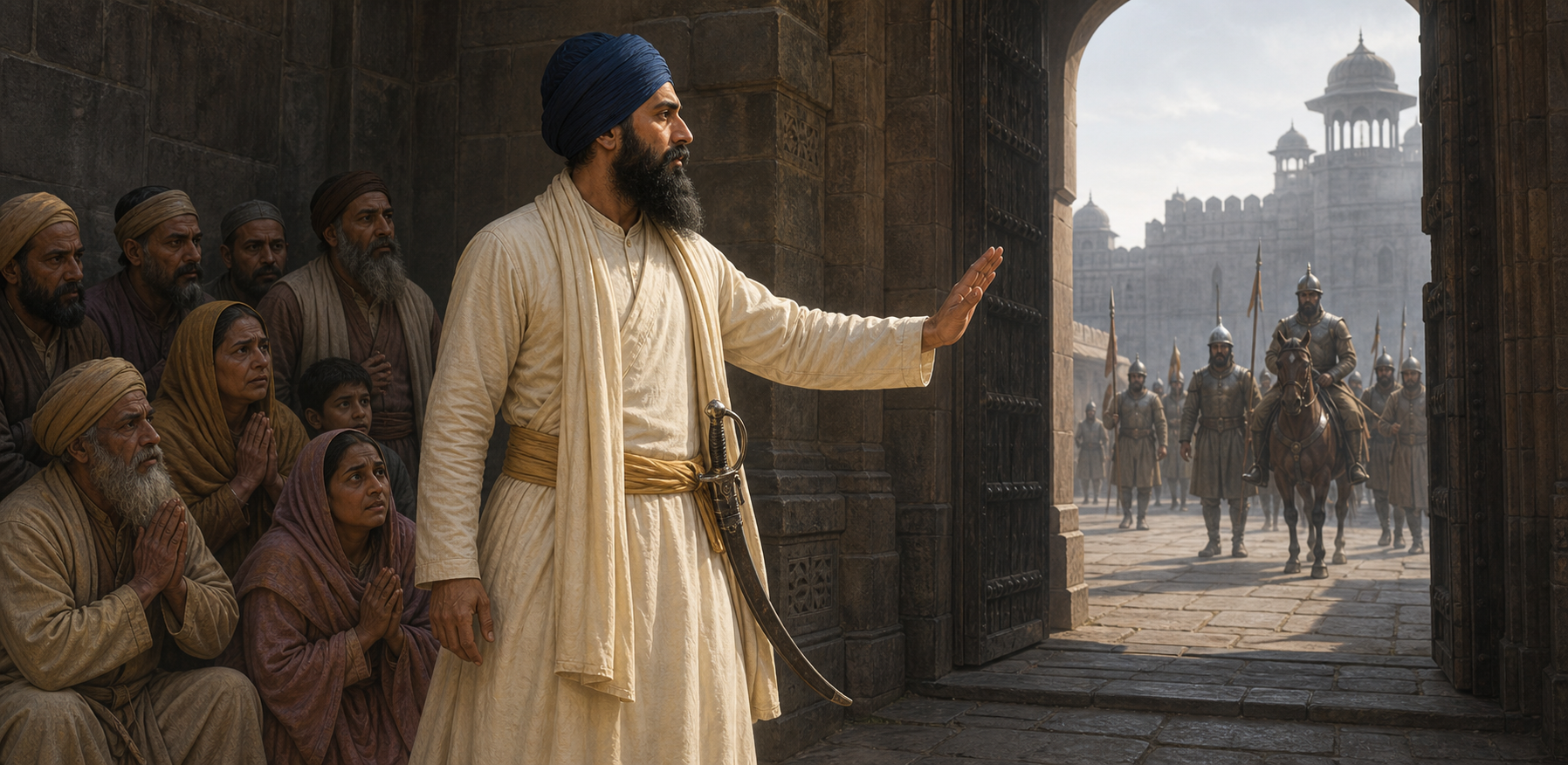
Unforgettable Courage in Meerut: Interfaith Solidarity That Shielded a Sikh Family in 1984

This reflective account from Meerut presents a vital counter-narrative to the 1984 Sikh riots: Hindu neighbours—Ashok, Ram, and landlord Pandit Nevla Prashad—who protected a Sikh family amid crisis. The testimony highlights interfaith solidarity, communal harmony, and the enduring strength of everyday ethical action. It connects lived experience to core dharmic values shared across Sikhism, Hinduism,…
-
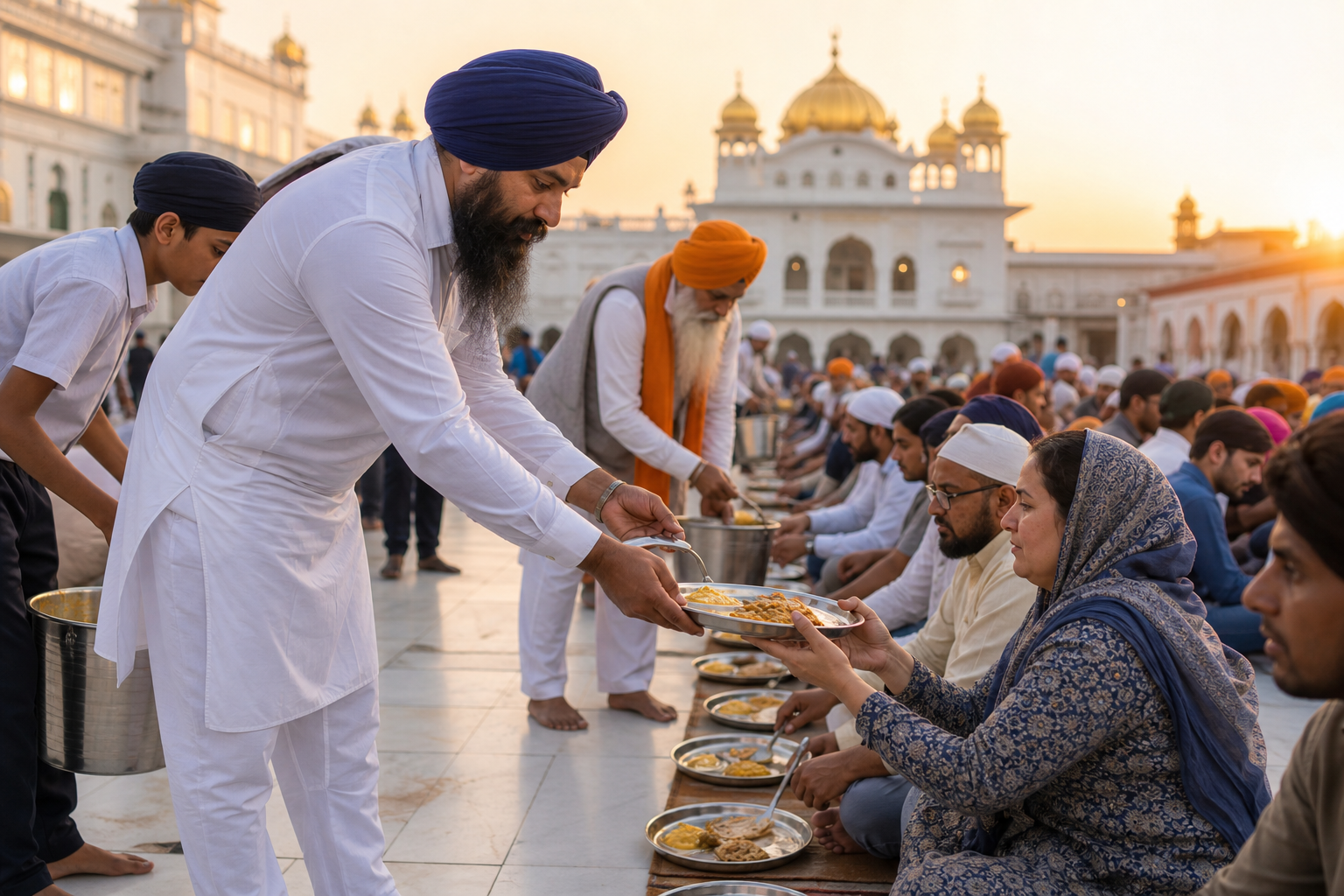
Darbar Sahib’s Historic Sundial: What It Reveals About Sikh Science and India’s Astronomical Legacy

The historic sundial at the Darbar Sahib (Harmandir Sahib) in Amritsar embodies Sikh scientific heritage and India’s long tradition of astronomy. As a precise instrument of time reckoning, it unites devotion with disciplined observation, demonstrating how faith communities historically organized daily life through empirical knowledge. Visitors experience it as both an open-air classroom and a…
-
The Shocking Death of Raghu the Poddar: Inside East India Company Power Struggles in Bengal (1673–1676)

The Case of Raghu the Poddar reveals how the English East India Company’s quasi-sovereign power collided with local norms and sensitivities in Mughal Bengal. Within decades of Thomas Roe’s Farman, the Company’s factories operated under English rules that often conflicted with regional authority. In this climate of Dutch–English rivalry along the Hooghly, an incident in…
-
Parmanu in Vaisheshika: Ancient Hindu Atomism that Anticipated Modern Science

Long before modern physics, Vaisheshika articulated Parmanu—the indivisible, eternal unit of matter—through disciplined reasoning and careful inference. This ancient Hindu atomism explains how dyads and triads of atoms form perceptible objects, governed by motion, qualities, and inherence. Framed within the padārthas, it offers a precise account of causation and identity across change. The theory resonates…
-
Spiritually Rich, Politically Vulnerable: Why India Fell to British Rule—and Rose United

This analysis examines why a spiritually rich India became vulnerable to British Colonial Rule while preserving civilizational continuity. Drawing on Sri Sri Ravi Shankar’s cyclical metaphor of the seasons, it situates conquest within broader structural forces—East India Company strategy, technological-military advantage, and administrative codification. It highlights how dharmic traditions—Hinduism, Buddhism, Jainism, and Sikhism—sustained social cohesion…
-
Alvars and Maharashtrian Bhakti Saints: Parallels in Devotion, Poetry, and Social Reform

This comparative study explores how the Tamil Alvars and Maharashtrian Bhakti saints shaped devotional culture, social ethics, and vernacular literature in medieval India. It highlights shared Vaishnava foundations, yet distinct accents—temple-based Prabandham recitation in the South and Varkari abhang–kirtan in the West. Readers learn how both traditions democratized spirituality through Tamil and Marathi, expanded participation…
-
Kopavana in Ancient Hindu Palaces: Symbolism, Architecture, and Queens’ Dignified Dissent

Kopavana—often discussed alongside the kopa-bhavana or “chamber of anger”—emerges in ancient Indian courtly culture as a refined system for turning anger into dialogue. This article clarifies terminology, situates the practice in the Ramayana, and traces architectural cues that staged a journey from tension to reconciliation. It explains how queens exercised agency through ritualized withdrawal, prompting…
-
Kangra to Baku: The Sacred Fire Connection and India’s Maritime Legacy Reignited

This essay revisits six millennia of Indian maritime and cultural exchange to illuminate a remarkable sacred link between the Jwalamukhi temple in Kangra and the eighteenth-century Jvalaji—today’s Ateshgah—in Baku. Drawing on classic works by R. C. Majumdar and Moti Chandra, it situates the Baku shrine within wider trade routes connecting India to Central Asia. Inscriptions…
-
Discover Kartavirya Arjuna: The Complete Guide to Sahasrabahu’s Boons, Valor, and Legacy

Karthaveerya Arjuna—also known as Sahasrabahu Arjuna—emerges in Ancient Hindu Texts as a Haihaya king whose thousand-armed prowess, granted by Dattatreya, symbolized both power and responsibility. His storied feats, including subduing the Narmada and capturing Ravana, illustrate the heights of kshatra while inviting reflection on ethical governance. Puranic narratives also chart a cautionary turn through his…
-
Discover Parashurama’s Proven Revolution: How Dharma Transformed Kingship and Society

Sri Parashurama’s narrative illustrates how Dharma disciplines power and protects society in Ancient India. Readers gain a clear, academic understanding of why sages traditionally guided rulers and how that counsel maintained justice and public welfare. The account highlights a Righteous War framed by restraint and responsibility, not conquest. Its ethical core aligns with shared values…
-
Discover the Complete, Untold Case of K V S Manian and a Post‑Independence Due‑Process Breakdown

This post explores the untold case of stenographer K V S Manian, whose livelihood was jeopardized in the immediate post-independence period amid the ban on the Rashtriya Swayamsevak Sangh (RSS). It situates the episode within the Jawaharlal Nehru–led government’s early security priorities and examines how administrative zeal can undermine due process. Readers gain a clear…
-
Dakat Kali Explained: The Ultimate Guide to Kali’s Proven Power for Justice and Transformation

This article explains Dakat Kali—the Bandits’ Kali—as a symbol of protective justice and ethical transformation rooted in Shakti. It situates Kali worship within historical contexts in which dacoit groups sought morale and spiritual aid against oppressive structures during the British era. The analysis clarifies key symbolism—such as the sword and garland of heads—as metaphors for…
-
Master the Vedic Education Blueprint: The Essential Guru–Shishya System Explained

This article presents a clear overview of the Vedic education system, structured around its three essential pillars: Guru (teacher), Shishya (student), and the content and methods of learning. Readers gain a concise understanding of how the Guru–Shishya tradition united intellectual rigor with ethical formation and inner growth. The discussion highlights the breadth of study—from Śruti…
-
Essential Guide: Discover Sanskrit’s Proven Pathways into English via Greek, Latin, Persian

This concise overview traces how Sanskrit-based words entered English directly or via Greek, Latin, Persian, and Arabic, revealing a shared Indo-European and Afro-Eurasian heritage. Readers discover representative examples—pepper, ginger, sandalwood, sugar, candy, orange, camphor, lac, avatar, yoga, karma, mantra, guru, and more. The discussion situates Voltaire’s remarks within a modern, evidence-based perspective on comparative linguistics.…
-
The Proven Power of the Pen: Discover How Ideas Transform History and Unite Dharmic Traditions

History demonstrates that carefully crafted words can mobilize conscience and build unity more effectively than force. Thomas Paine’s Common Sense reframed complex political debates for the public, while the clandestine circulation of History will Absolve Me showed how ideas cross barriers and legitimize movements. Within dharmic traditions, the distribution of Gaudiya literature—affirmed by Srila Bhaktisiddhanta…
-
Discover the 1946 Mysore Palace Flag Demand: A Complete, Proven Lens on Partition Turmoil

Circa 1946, undivided Bharatavarsha witnessed intensifying tensions surrounding the Pakistan movement, where symbols like flags often became flashpoints. Accounts recall a reported demand to hoist the Pakistan flag on the Mysore Palace, a moment that illustrates how political symbolism, princely authority, and public order intersected in the run-up to Partition. Situating the episode within outbreaks…
-
Discover R.C. Majumdar’s Unsparing, Evidence-Based Assessment of Gandhi’s Legacy

R.C. Majumdar’s authoritative study offers an unsparing, evidence-based assessment of Mohandas Gandhi’s legacy within the broader Indian freedom movement. Read alongside D.V. Gundappa’s Vruttapatrike, it illuminates how Gandhi’s rise reshaped public discourse and mass mobilization. The discussion balances admiration for moral leadership with a careful appraisal of practical outcomes and unintended effects. Readers gain a…