-
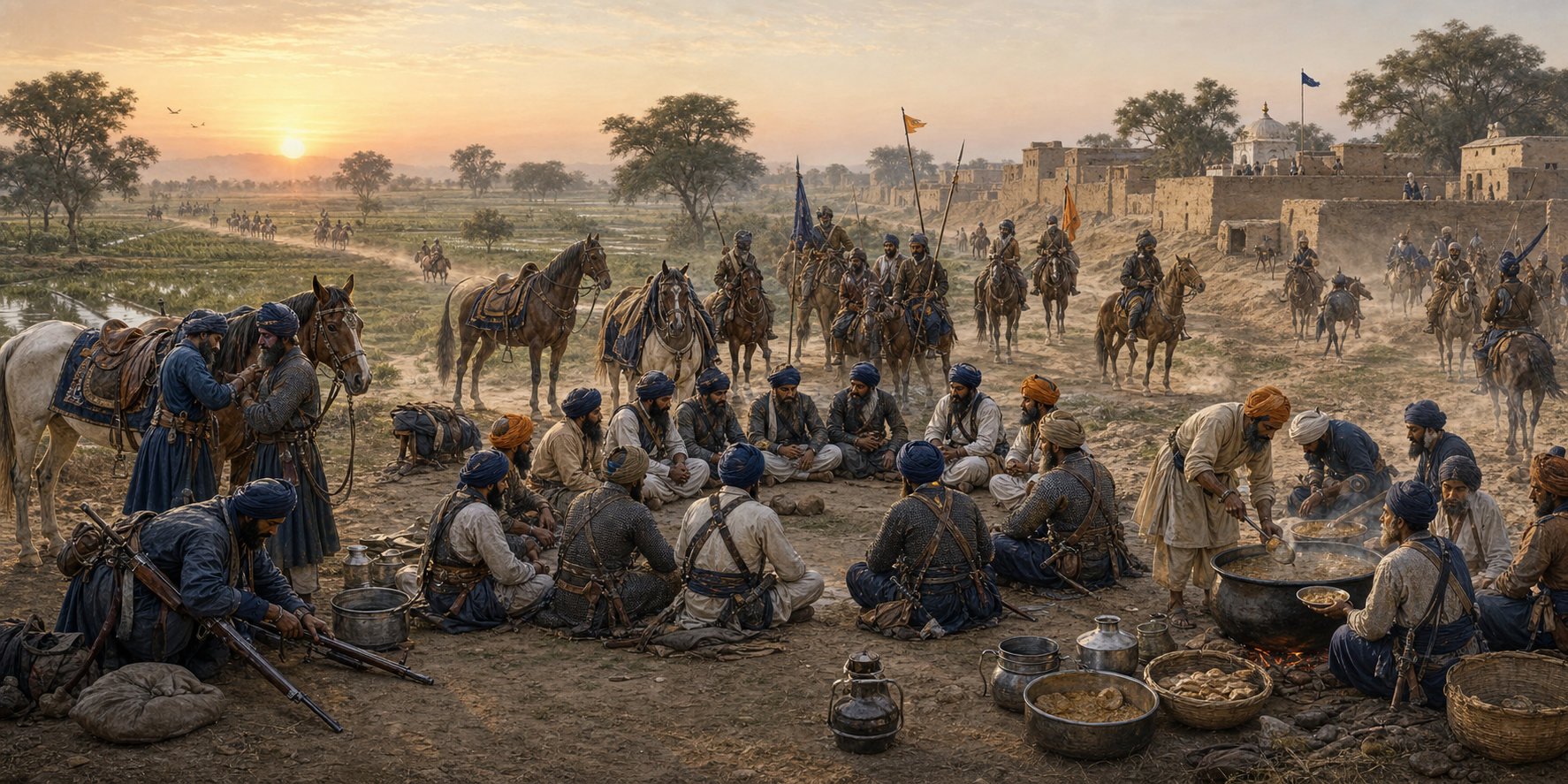
Gallant Final Stand in Malaya: 5/11 Sikh Regiment’s World War II Bravery and Resolve

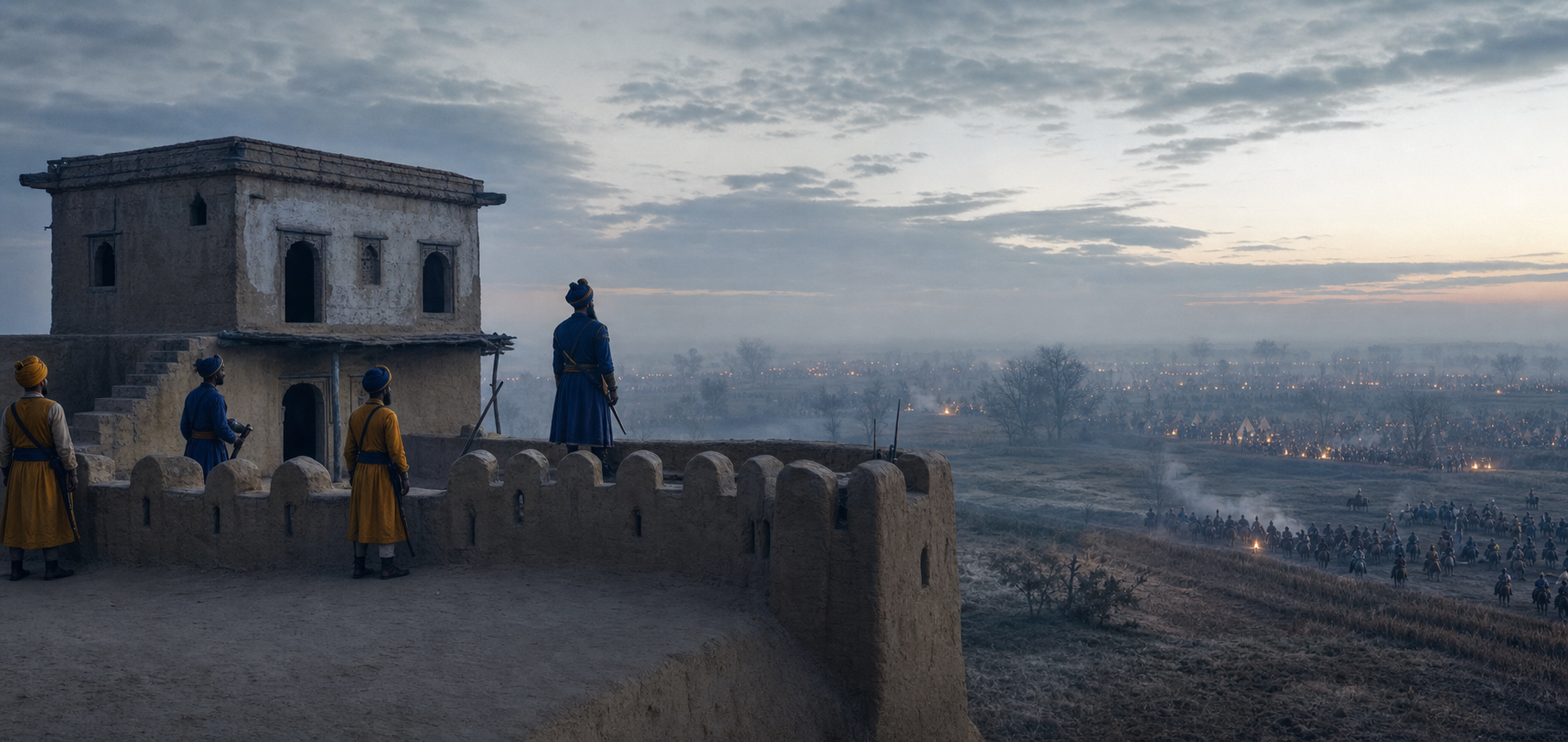
The 5th Battalion, 11th Sikh Regiment distinguished itself in the Malaya Campaign of 1941–42 through disciplined rear-guard actions and principled courage. Operating under intense pressure, the battalion protected withdrawing formations and civilians, illustrating how tactical patience can shape strategic outcomes. Their conduct reflects a dharmic ethic—duty, compassion, and kshatra—that unites Hindu, Buddhist, Jain, and Sikh…
-
Hind Di Chadar: Guru Tegh Bahadur Ji’s Courage, Sacred Travels, and Supreme Martyrdom
Hind Di Chadar—“Shield of India”—honors Guru Tegh Bahadur Ji’s steadfast defense of freedom of conscience and his inclusive dharmic vision. This post traces his early formation under Guru Hargobind, his recognition as the ninth Sikh Guru, and his establishment of Chak Nanaki (later Anandpur Sahib). It maps key travels across North and East India, showing…
-
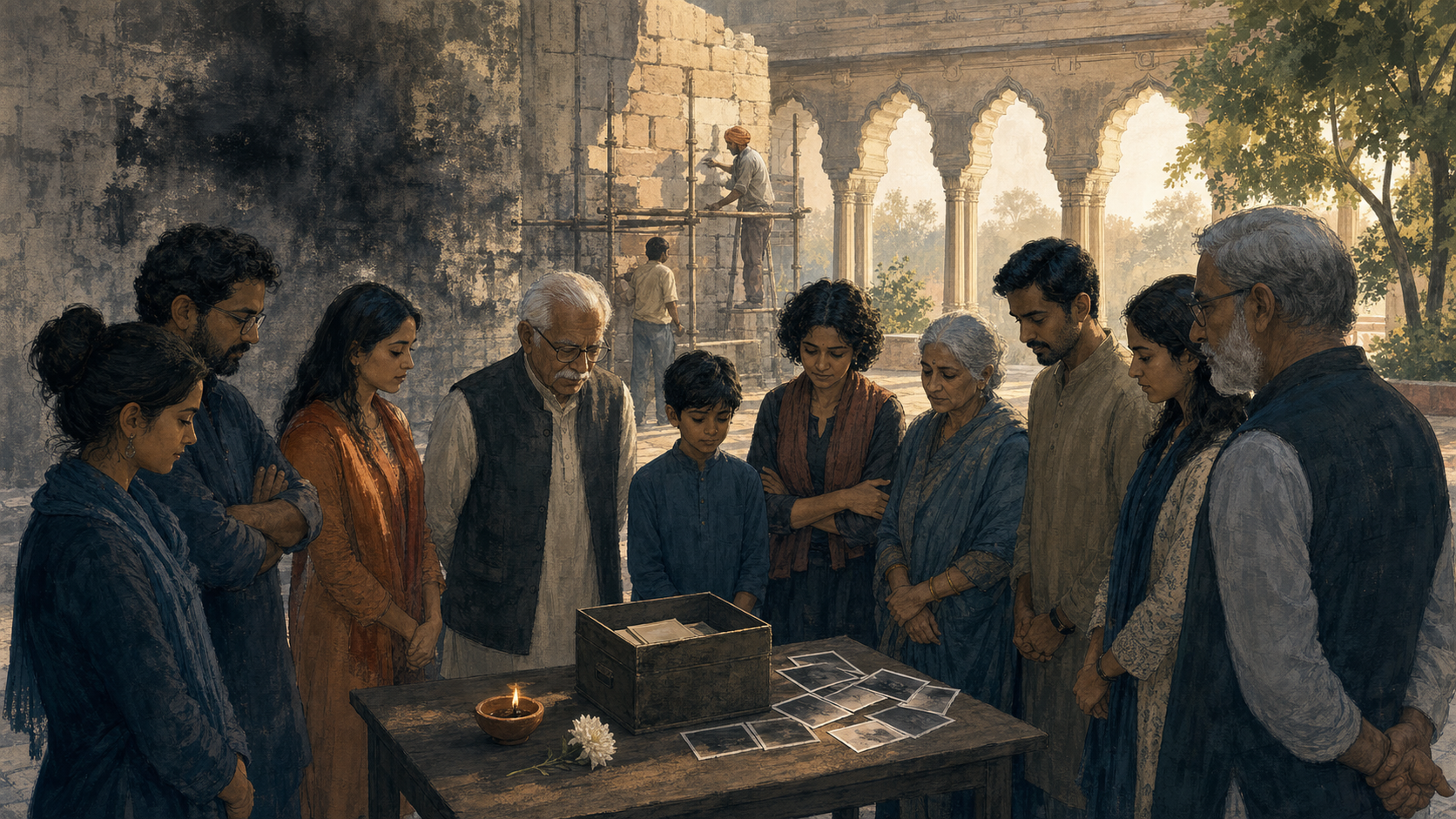
Inside Sita Ram Goel’s Unanswered Challenge: Rethinking Marxist History for Dharmic Unity

In 1986, a public exchange over reports on Qutub Minar and Mathura exposed how labels can pre-empt historical inquiry. The debate intensified when Sita Ram Goel, in 1991, issued a precise, evidence-based questionnaire asking for proof of a supposed Hindu “tradition” of destroying Buddhist and Jain monuments. No comprehensive response addressed his eight empirical requests…
-
When Murugan Faded from the North: A Powerful Historical Imagination of Lost Worship

This historically grounded imagination traces how Murugan (Kartikeya, Skanda, Subrahmanya) seemed to recede from public worship in Northern India without disappearing from the wider Hindu tradition. Drawing on Gupta-era markers, Mathura sculpture, and regional epigraphy, it reframes the shift as a plural, adaptive process rather than a rupture. Readers gain a nuanced view of sacred…
-
From Battlefield to Home Shrine: The Gentle Rise of Dakshina Kali in Bengal’s Devotion

This article traces how Dakshina Kali, first revealed in the Devi Mahatmya as a ferocious force of dharma, became a compassionate presence in Bengali homes. It explains the iconographic shift to the gentler Dakshina Kali and shows how Shakta Tantra, bhakti poetry, and popular art enabled domestic worship. The roles of Kalighat, Dakshineswar, and 19th-century…
-
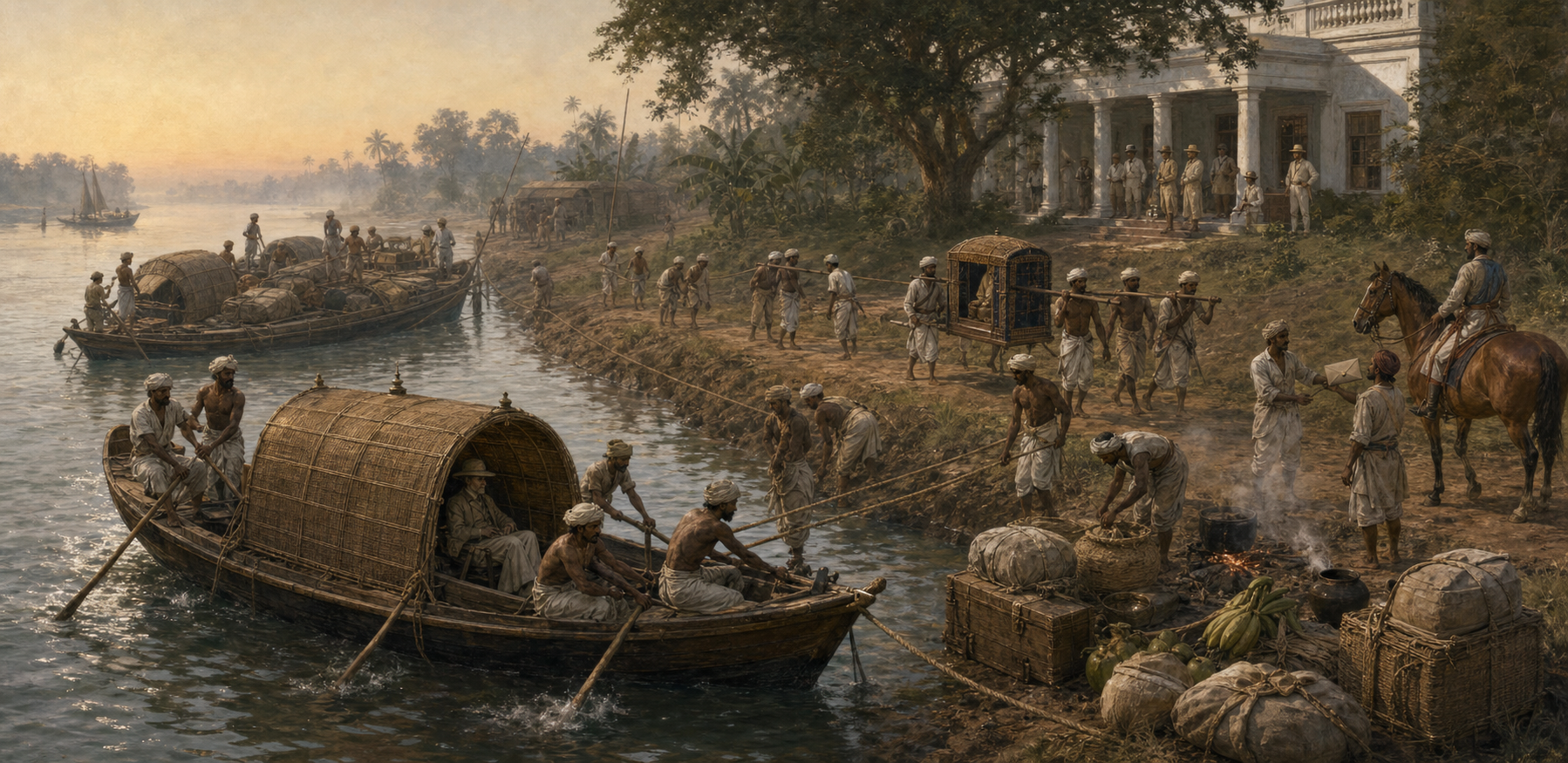
Srila Prabhupada’s Boston Arrival: The Hare Krsna Mantra and a Historic Mission of Compassion

A seventy-year-old sannyasi arrived in Boston on September 17, 1965, after an arduous voyage on the Jaladuta, intent on sharing krsna-bhakti beyond its Indian heartland. His diary entry from that day reveals deep humility, reliance on causeless mercy, and strong faith in the holy name of Krsna. Historically, the moment marks a turning point in…
-
Guru Tegh Bahadur’s Supreme Martyrdom: Defending Freedom of Conscience and Harmony

Guru Tegh Bahadur Ji’s martyrdom in 1675 stands as a defining moment for religious freedom and interfaith harmony in India. Set amid Aurangzeb’s reign, his decision to defend Kashmiri Pandits affirmed the universal right to conscience beyond sectarian lines. The account highlights how his sacrifice resonates across Hindu, Buddhist, Jain, and Sikh traditions, strengthening unity…
-
Rare 1970 ISKCON Footage: Devotees at Sweden’s Midnight Sun Festival near Jönköping

This archival video presents rare 1970 footage of Dhanajaya Prabhu and London-based devotees at Sweden’s Festival of the Midnight Sun near Jönköping. Curated by Mukunda dasa, it documents an early moment in ISKCON’s Scandinavian outreach with unique film clips and photographs. The material offers primary-source insights into devotional practice, cultural exchange, and diaspora dynamics. Viewers…
-
Mata Sahib Devan’s Sacred Journey: From Rohtas to Anandpur Sahib and the Khalsa’s Spiritual Motherhood

Mata Sahib Devan’s journey from Rohtas to Anandpur Sahib is a cornerstone of Sikh history and a bridge to shared Dharmic values. Set within the cultural landscape of Punjab, the narrative reveals how personal devotion matures into public service. Her sanctification of Amrit with patashe symbolizes a lasting ethic—strength framed by compassion. Read in an…
-
Guru Nanak’s Transformative Journeys: Across Lands, Uniting Hearts and Dharmic Traditions

This post explores Guru Nanak’s transformative journeys as living dialogues that fostered unity among Hinduism, Buddhism, Jainism, and Sikhism. It situates the travels within historical contexts, draws on janamsakhi traditions with scholarly care, and highlights core teachings such as Ik Onkar, Naam-simran, and sarbat da bhala. The narrative shows how music (kirtan) and langar embodied…
-
Guru Nanak Sahib in Kufa: A Historic Moment of Interfaith Dialogue and Dharmic Unity

Traditions recall Guru Nanak Sahib’s presence in Kufa during his visit to Iraq, situating his journey within a renowned hub of Islamic scholarship. This remembrance reinforces the Sikh ethos of interfaith dialogue and the dharmic ideal of unity in diversity. By highlighting oneness (Ik Onkar) alongside Sufi contemplative insights, it models respectful encounter across religious…
-
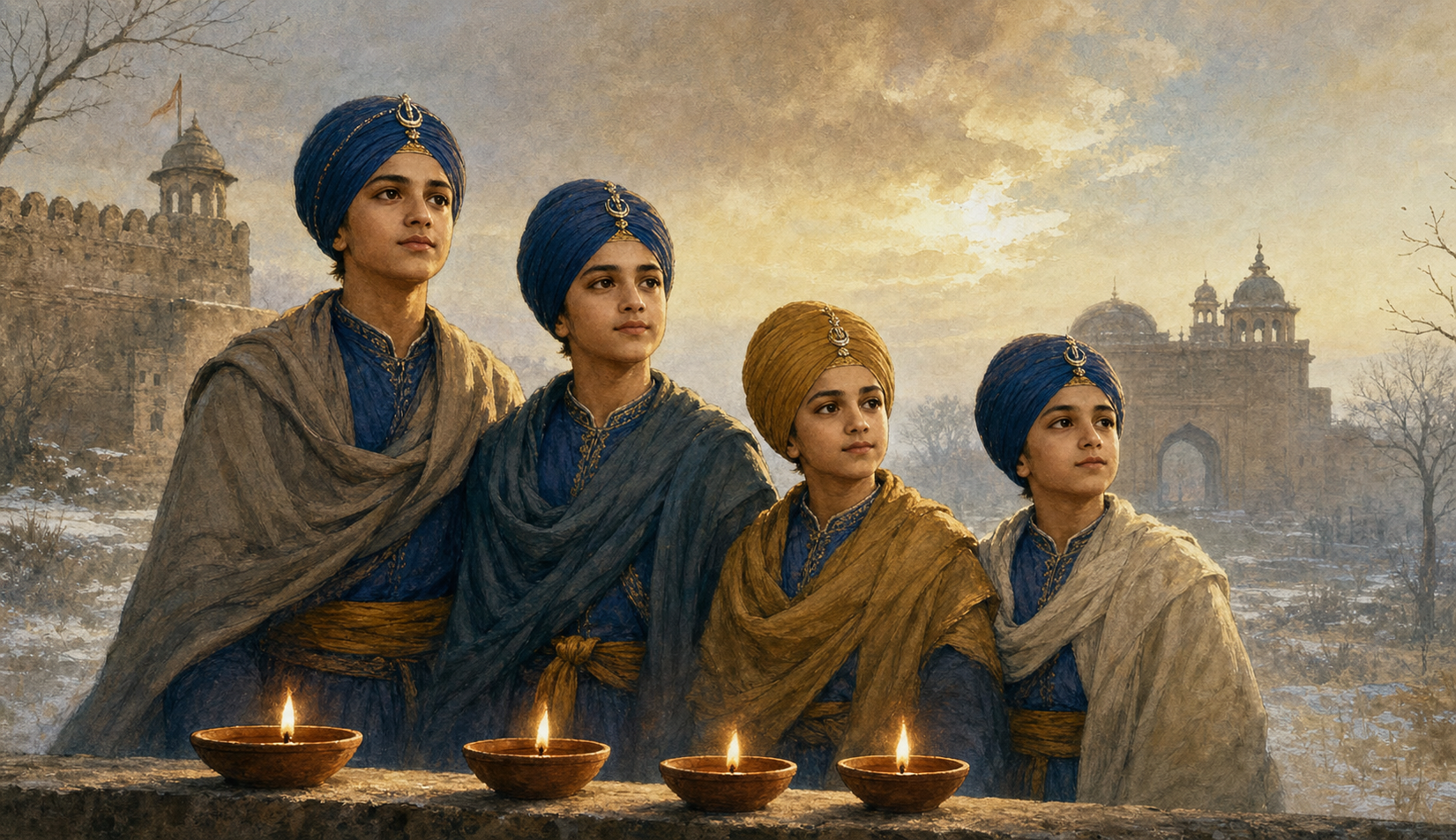
Guru Ladho Re! Bhai Makhan Shah’s Daring Search and the Discovery of Guru Tegh Bahadur Ji

“Guru Ladho Re!” captures the pivotal moment when Bhai Makhan Shah Lubana identified Guru Tegh Bahadur Ji at Baba Bakala, restoring unity amid competing claims. Anchored in Sikh history, the episode showcases discernment, fidelity to vows, and ethical leadership. It offers a relatable model for navigating crisis, testing truth with humility, and affirming authenticity. The…
-
When Rivers and Oceans Crowned a King: Prithu’s Epic Anointing in Brahma Purana

The Brahma Purana recounts a rare coronation in the line of Dhruva: a king anointed by all rivers and the oceans, symbolizing nature’s endorsement of righteous rule. Set against the moral contrast of Anga and Vena, the narrative culminates in Prithu’s emergence and the restoration of rajadharma. The scene functions as sacred geography and ethical…
-
Defying Firuz Shah Tughlaq: The Brahmin Hero of Delhi and Dharmic Resilience

A rare episode from the Delhi Sultanate, preserved by Shams-i Siraj Afif in Tarikh-i Firoz Shahi, documents the trial and execution of an elderly Brahmana in Delhi who refused forced conversion under Firuz Shah Tughlaq. Set against a backdrop of strict religious enforcement, expanded Jizya, and curtailed non-conforming practices, the account offers crucial insight into…
-
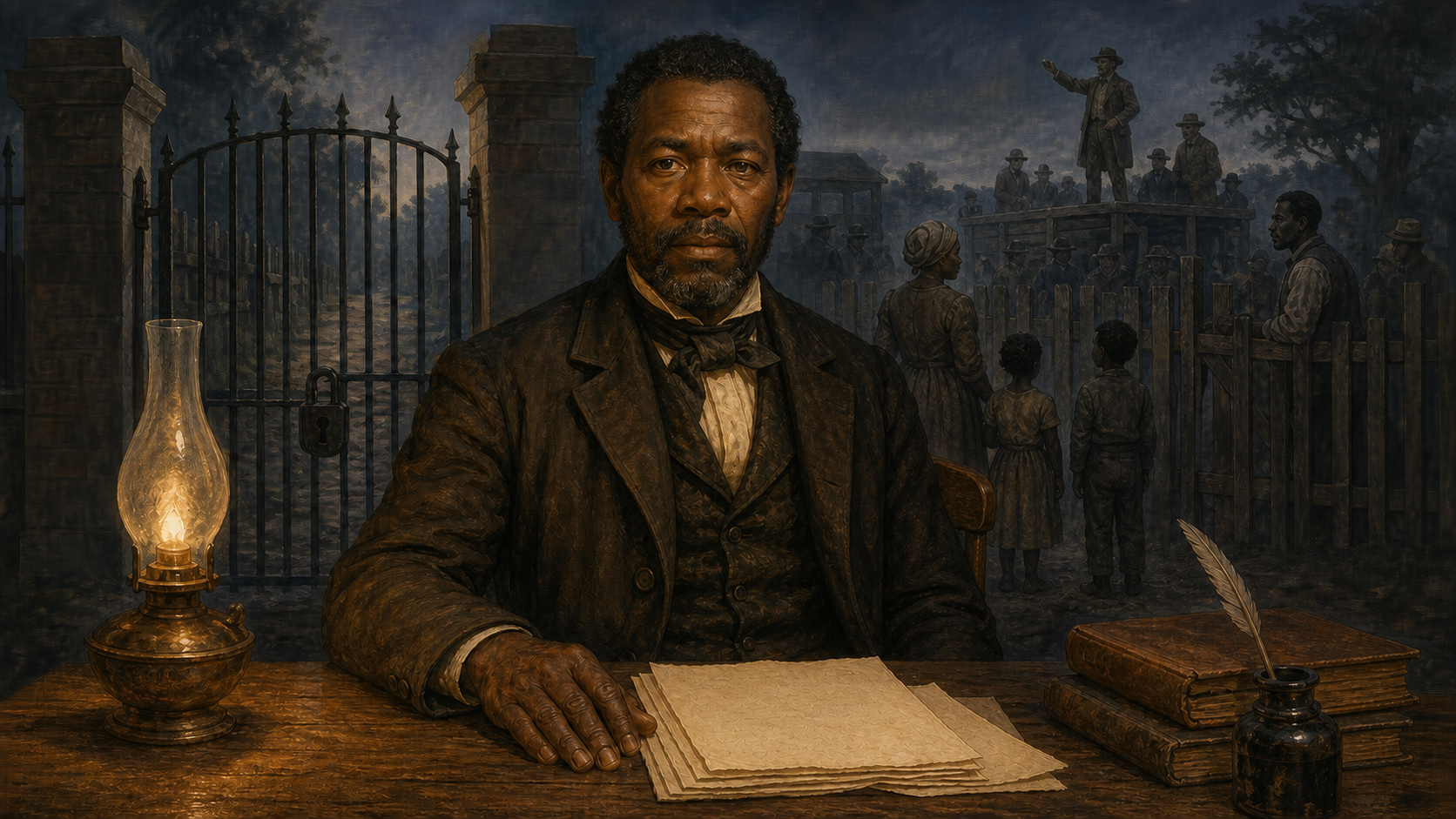
Swadeshi on Wheels: Remembering Bepin Behari Das and India’s First Indigenous Car

Set in the ferment of early twentieth-century India, this analysis revisits Bepin Behari Das—often remembered as a “forgotten Vishwakarma”—and the claim associated with India’s first indigenous motor car. It situates the project within the Swadeshi Movement, framing the car as a symbol of industrial independence and cultural confidence. The discussion underscores limited archival evidence and…
-
Dhritarashtra’s Strategic Gamble: Sending Sanjaya to Arjuna before Kurukshetra

Dhritarashtra’s embassy through Sanjaya in the Udyoga Parva was far more than a perfunctory peace gesture. It legitimized Kuru policy under dharma, gathered intelligence on Pandava readiness, and probed Arjuna’s psychology at the nerve center of their war effort. Addressing Arjuna directly tested resolve, Krishna’s influence, and the possibilities of accommodation without ceding moral ground.…
-
Maharatha vs Atiratha: Timeless Warrior Ranks, Epic Valor, and Kshatra Dharma

This article clarifies the difference between Maharatha and Atiratha as presented in the Hindu epics, showing how these warrior ranks function as ethical and strategic categories rather than poetic embellishments. It explains Maharatha as disciplined excellence and Atiratha as transformative, dharma-aligned leadership on the battlefield. Readers gain a clear, historically grounded understanding rooted in the…
-
Veda Vyasa: Supreme Literary Architect Who Forged India’s Spiritual Imagination

Veda Vyasa—revered as Krishna Dvaipayana Vyasa—emerges as the supreme literary architect of Hindu Civilization, shaping millennia of spiritual thought and cultural life. Tradition credits him with organizing the Vedas and redacting the Mahabharata, including the Bhagavad Gita’s enduring philosophy of action, devotion, and knowledge. His Sanskrit narratives and Vedic literature form a living heritage that…
-
Decoding Madanaparijata: Vishveshwara Bhatta’s Timeless 14th‑Century Dharmashastra Masterwork

Madanaparijata by Vishveshwara Bhatta (c. 1360–1390 CE) is an extensive Sanskrit digest of Dharmashastra that integrates legal, ethical, and ritual guidance. Set within a medieval Indian courtly milieu north of Delhi, it showcases the sophistication of Hindu legal history and the practical organization of normative conduct. The text’s balanced approach makes complex duties and social…
-
Vande Mataram at 150 (1875–2025): The stirring anthem that forged India’s unity

On 7 November 2025, India commemorates 150 years of Vande Mataram, the National Song that inspired the Indian independence movement and affirmed a shared civilizational identity. Composed by Bankim Chandra Chattopadhyay and later sung by Rabindranath Tagore, the hymn’s ethical vocabulary aligns with the values of Hinduism, Buddhism, Jainism, and Sikhism. Sri Aurobindo’s translation deepened…