-
Master the Politics of ‘Official’ History: A Complete Indic Guide to Transform Collective Memory

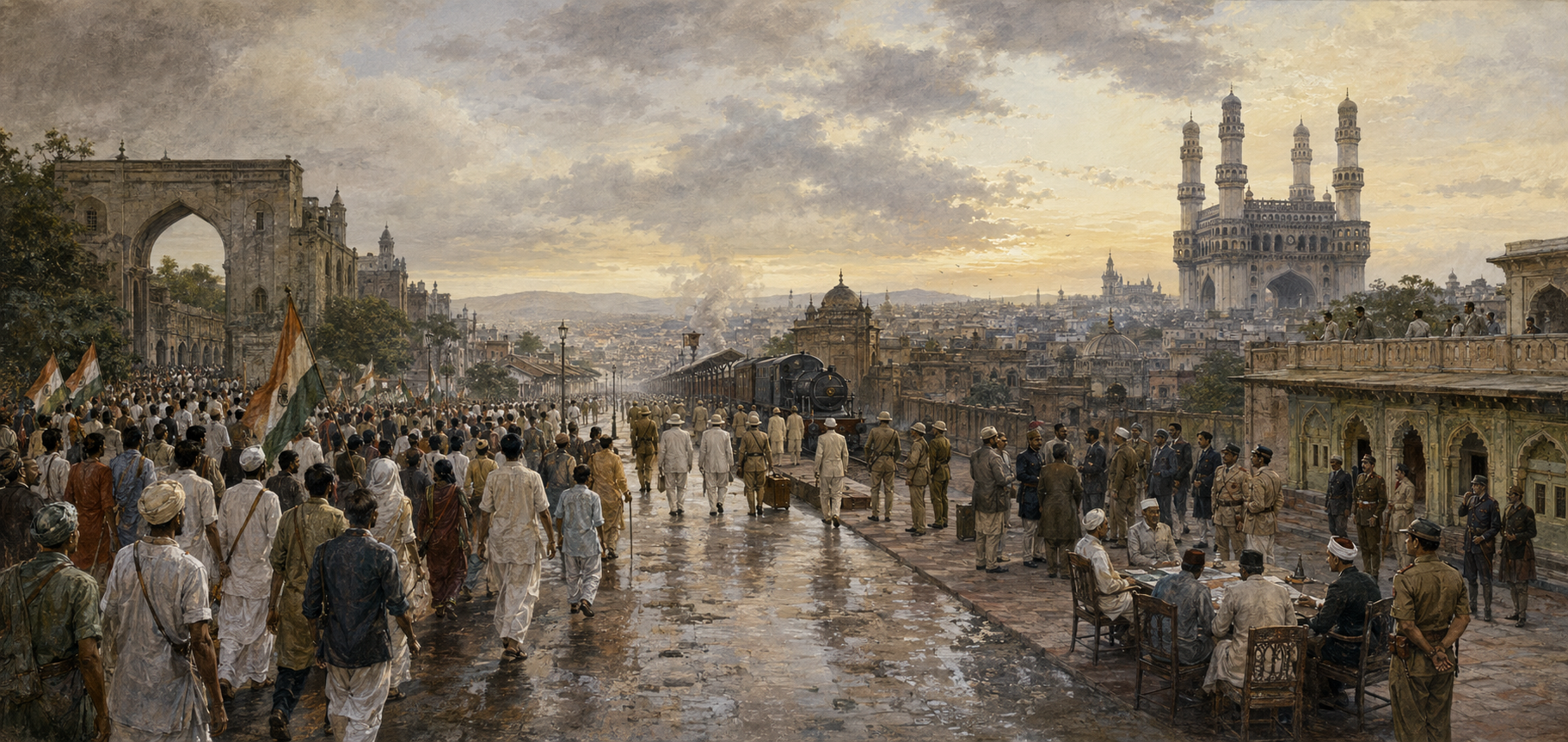
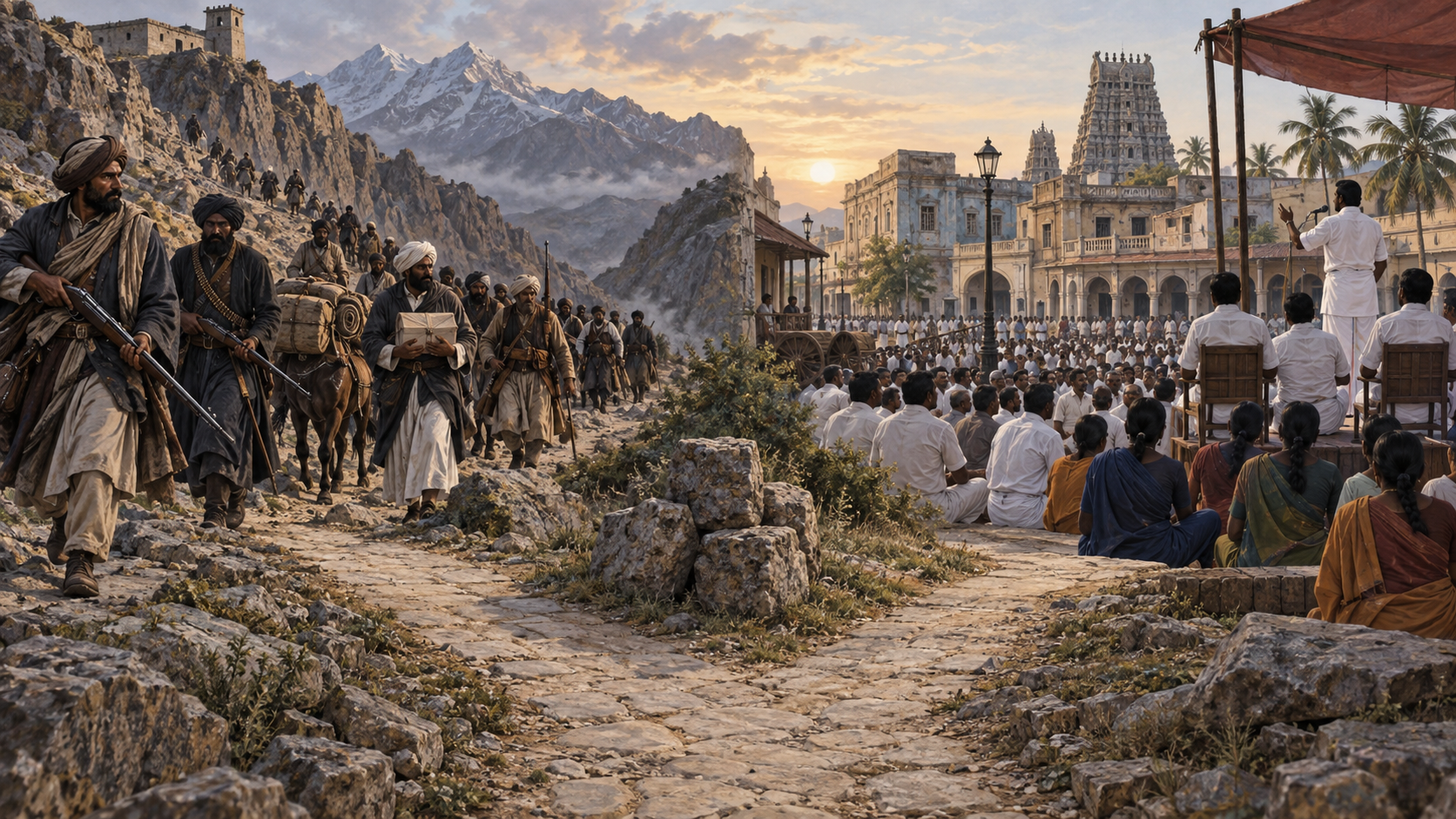
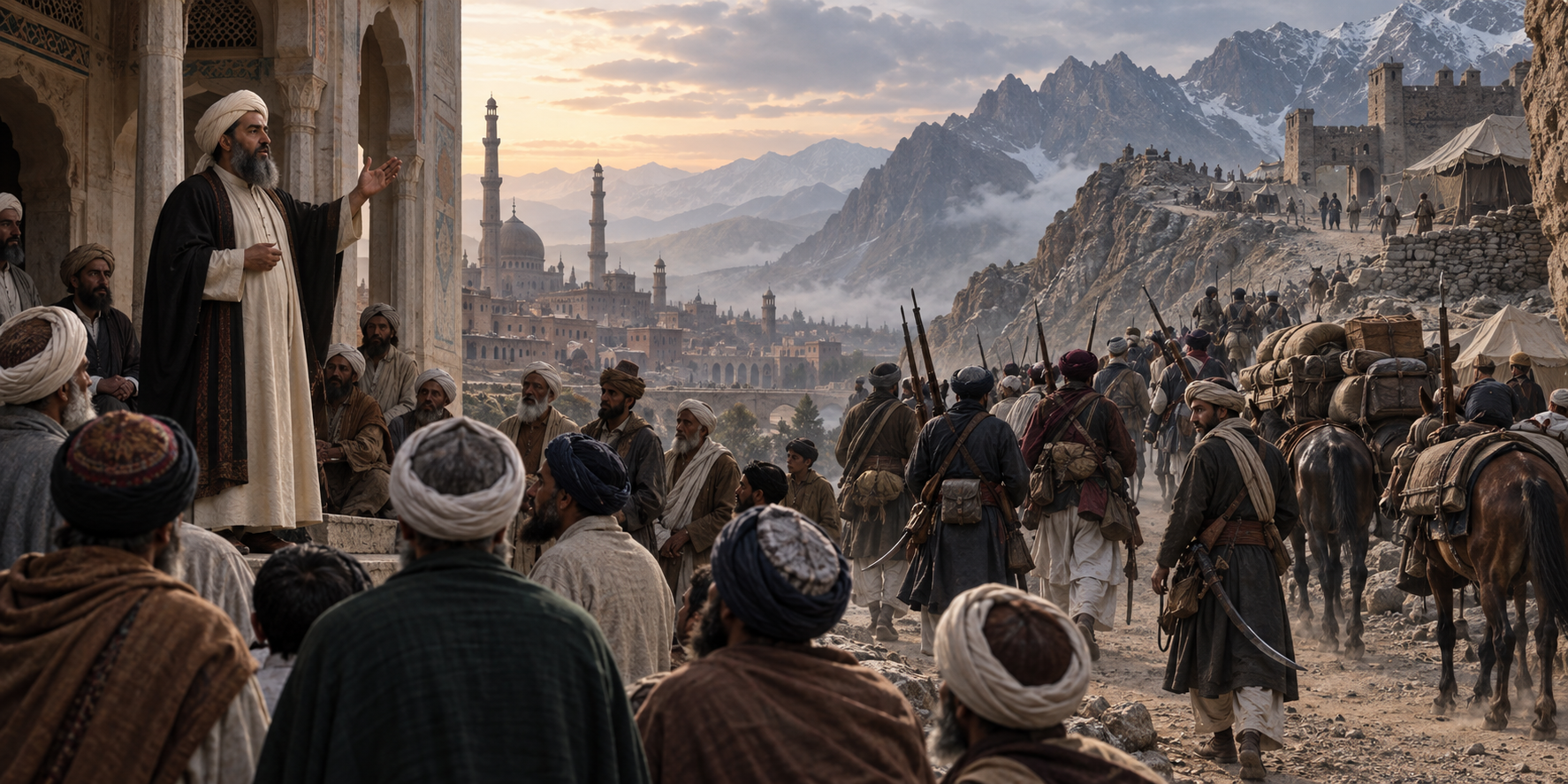
This essay examines how centralized, “official” history—whether colonial, Marxist, or nationalist—can erode India’s decentralized, living memory. It contrasts Western, top‑down historiography with Indic ethos, where society, not institutions, traditionally safeguarded memory across Hindu, Buddhist, Jain, and Sikh traditions. Citing the 1857 War of Independence and the Azamgarh Proclamation, it shows how living memory enabled coordinated…
-
From Petrified to Percipient: The Essential, Complete Guide to India’s Living History

This article explains why India’s civilizational past is best studied as a living continuum rather than a set of fossilized snapshots. It contrasts “petrified history,” suited to civilizations preserved mainly through archaeological remains, with “percipient history,” sustained by social memory across India’s dharmic traditions. Readers discover how folk narratives, ritual practices, sacred geography, and philosophical…
-
Discover Dispersive History: A Proven Indic Framework to Transform How We Learn from the Past

This article reframes Indian historiography through the lens of Dispersive History—a proven Indic framework that preserves practical lessons while upholding civility. It contrasts linear, institution-centric Western historiography with cyclical, ethos-driven memory anchored in the Kaalachakra. Readers discover how हितोपदेश, पंचतन्त्र, and सुभाषित encode historical intelligence through allegory, enabling learning without public flagellation. The approach celebrates…
-
Rathakara Revealed: The Complete Guide to Master Chariot‑Makers of Ancient India

Rathakara—literally “chariot-maker”—names a master artisan whose work united engineering precision, ritual observance, and aesthetic judgment in Ancient India. Vedic and Dharmasastra sources portray a dynamic professional identity embedded in guild economies and temple cultures. Technical expertise in wheel geometry, axle–yoke alignment, and sustainable materials supported warfare, royal processions, and ratha festivals such as the Jagannath…
-
Complete Case Study: How Campus Radicalization Shaped Saketh Rajan—and Lessons for Unity

This academic case study analyzes the life and death of Saketh Rajan to explain how campus radicalization can take hold and how public narratives form in the wake of violence. It contextualizes Maoism within Indian history while emphasizing that radicalization can arise across ideologies. The piece outlines practical, constitutional safeguards for campuses—media literacy, structured debate,…
-
Discover the Taj Mahal’s Hidden Past: A Complete, Evidence-Based Reexamination for Unity

A new film on the Taj Mahal invites an evidence-based reexamination of contested narratives without foreclosing mainstream scholarship. Presented within an academic framework, it highlights how archaeology, epigraphy, and architectural analysis can clarify complex claims such as “Tejo Mahalaya” or earlier temple hypotheses. The discussion foregrounds rigorous methods—provenance, peer review, and open archives—over rhetoric or…
-
Shah Alam II and the Mughal Collapse: The Complete, Source-Backed History You Must Discover

This source-backed history of Shah Alam II explains how courtly indulgence, fiscal crisis, and regional realignments converged to bring the Mughal Empire to its twilight. Readers discover the Maratha role at Delhi, the British East India Company’s decisive entry in 1803, and archival details on opium use and palace finances. European observers like John Shore,…
-
Discover the Complete Story of Shah Alam II: Proven Insights into an Empire’s Unraveling

Shah Alam II’s long and turbulent reign reveals how imperial symbols persisted even as real power shifted to Maratha, Sikh, Afghan, and British actors. This clear, chronological analysis traces his return to Delhi under Mahadji Scindia, the Sikh reconfiguration of Delhi’s sacred landscape under Baghel Singh, and the decisive impact of the Battle of Buxar…
-
Discover the Proven Roots of Hindi Cinema’s Linguistic Shift: A Balanced, Unifying History

This balanced history explains how Hindi cinema’s linguistic and musical shift toward an Urdu/Hindustani register emerged from Bombay’s 1930s ecosystem of markets, technology, and taste-making. Readers discover Alam Ara’s pioneering role in synchronized sound and diegetic music, including the widely cited “De De Khuda Ke Naam,” and learn why early talkies gravitated to the ghazal…
-
Discover Shivaji’s Complete Treasure Inventory and the Enduring Legacy That Transformed Bharat

This study revisits the near-complete inventory of Chhatrapati Shivaji’s possessions through the Sabhasad Bakhar and the Dattaji-Malkare Bakhar, revealing how meticulous stewardship reflected a deeper ethic of Dharma. It highlights Shambhaji’s posthumous audit as a unique empirical window into seventeenth-century royal culture. Rather than fixating on wealth alone, it distills Shivaji’s ultimate legacy as institutional…
-
Discover the Matrilineal Legacy of Asuras: A Complete, Evidence-Based Breakthrough in Hindu History

This article reexamines Asura lineages in Hindu scriptures to uncover a consistent, evidence-based pattern of maternal affiliation. By highlighting the Daitya and Danava eponyms derived from Diti and Danu, it shows how maternal identity shaped social classification in Ancient India. It underscores women’s agency in key narratives while noting that daughters and sons both function…
-
Raj Karega Khalsa: The Complete, Proven Journey from Spiritual Vision to Shared Sovereignty

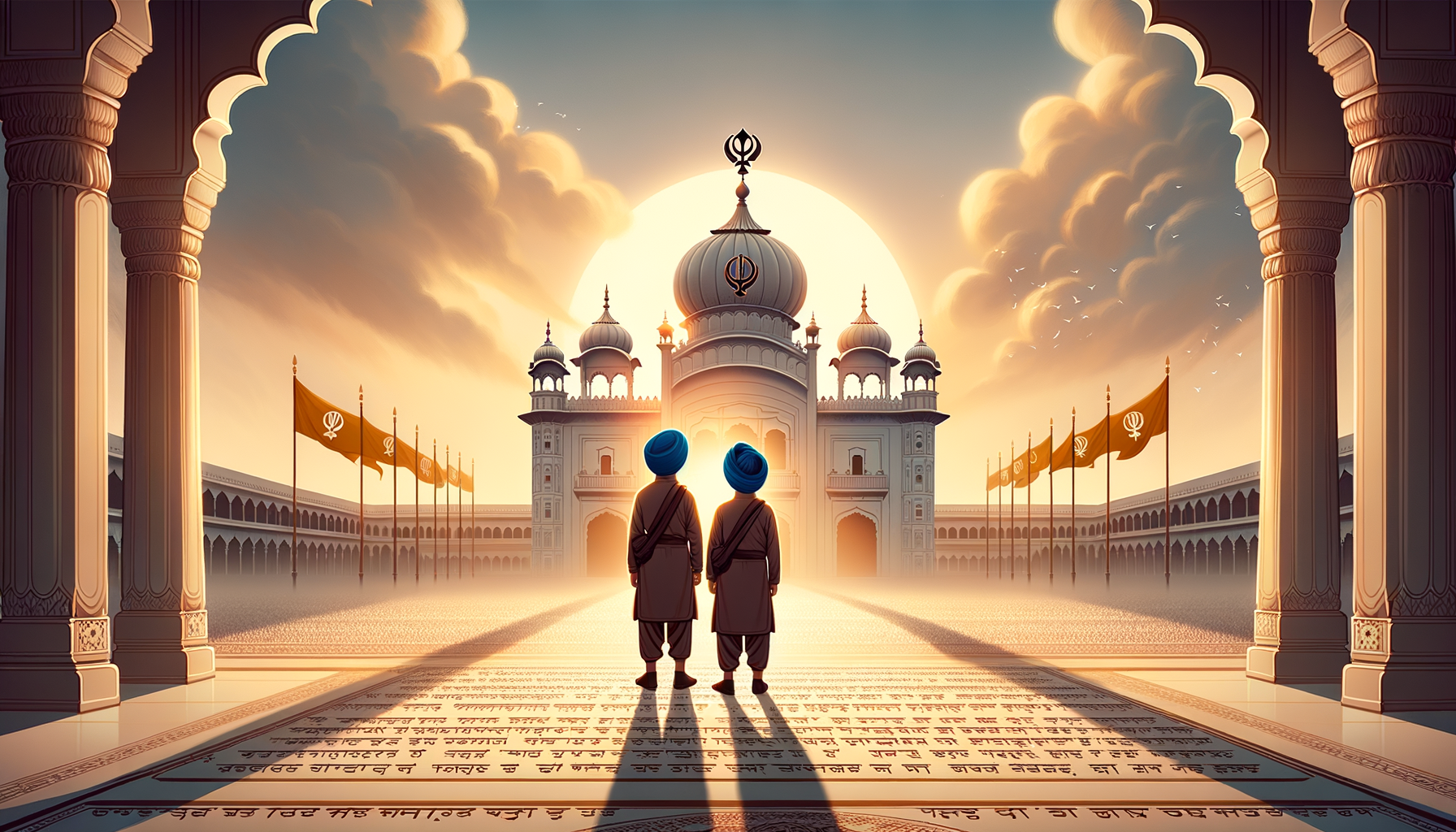
“Raj Karega Khalsa” carries a profound ethical vision: inner mastery leading to just and compassionate leadership. Rooted in Vaisakhi 1699 and the miri-piri synthesis, the Khalsa example elevates service, discipline, and protection of the vulnerable. Read within the wider dharmic family—Hindu, Buddhist, Jain, and Sikh—it aligns with shared principles of dharma, ahimsa, and compassion. The…
-
Discover Karan Singh: The First Sikh in Nepal’s Army and a Proven Symbol of Dharmic Unity

Karan Singh’s recognition as the first Sikh in Nepal’s Army marks a pivotal moment in South Asian history and cultural heritage. The milestone underscores unity in diversity and affirms the shared values that connect Hinduism, Buddhism, Jainism, and Sikhism. Readers gain context on how Sikh principles of seva, courage, and discipline align with national service.…
-
Bhai Kanhaiya’s Secret of Seva: A Proven Lesson in Universal Compassion from Guru Gobind Singh

This sakhi of Bhai Kanhaiya Ji presents a clear, historically grounded lesson in universal compassion. During a fierce battle, he served water to all wounded, reflecting Sikhism’s ethic of impartial seva. Guru Gobind Singh validated this humanitarian vision, instructing care for everyone without distinction. The account aligns with shared dharmic values—ahimsa, karuna, maitri—highlighting unity across…
-
Complete Historical Insight into Saka Sarhind: Shaheedi Chhote Sahibzaade’s Courage

This post offers an academically grounded, accessible overview of Saka Sarhind and the Shaheedi Chhote Sahibzaade, highlighting why Baba Fateh Singh ji and Baba Zoravar Singh ji remain universal symbols of courage. Readers gain clear historical context, ethical insights, and the broader significance of their martyrdom in Sikh history and Indian history. The narrative emphasizes…
-
Discover Kartarpur’s Origins: Guru Nanak’s Essential Lesson to a Millionaire on Heart-Wisdom

This reflection explores how the Kartarpur ethos, attributed to Guru Nanak, turns spiritual knowledge into compassionate action. It presents a concise context for Kartarpur’s origins and a teaching narrative involving a wealthy patron, highlighting the limits of head knowledge without heart-based practice. Readers gain a clear understanding of how Sikh principles—Kirat Karo, Vand Chhako, Naam…
-
Discover the Proven Origins of Kartarpur Sahib: Guru Nanak Dev’s Transformative Vision

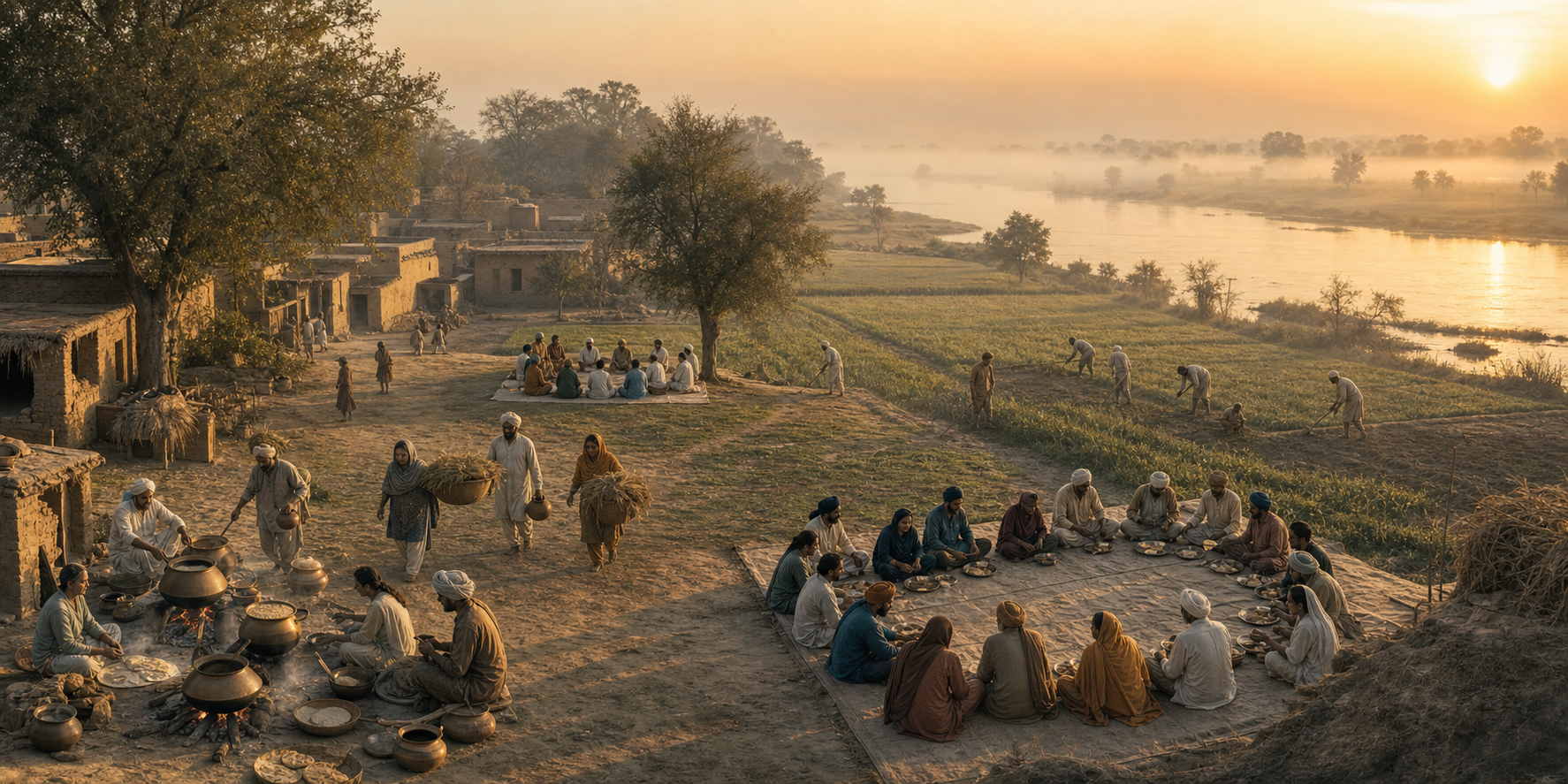
This engaging, academically grounded narrative traces the proven origins of Kartarpur Sahib and presents them in an animation-ready format for wide accessibility. Readers gain a clear view of how Guru Nanak Dev established a self-sustaining community on the Ravi, integrating devotion, labor, and equality. The “millionaire” motif is reframed to highlight ethical redirection of resources…
-
Complete Analysis: RSS@100 vs Communism—Discover a Dharmic Unity Breakthrough

This academically grounded analysis uses the occasion of RSS@100 to clarify what is often portrayed as a zero-sum battle between Hindutva and Communism. Readers discover a clear definition of key terms, a concise historical trajectory, and a balanced comparison that separates civilizational identity from class-centered critique. The piece centers dharmic values—ahimsa, karuna, daya, and sewa—as…
-
Discover Hinduism’s Indomitable Resilience: A Complete, Evidence-Based Medieval History

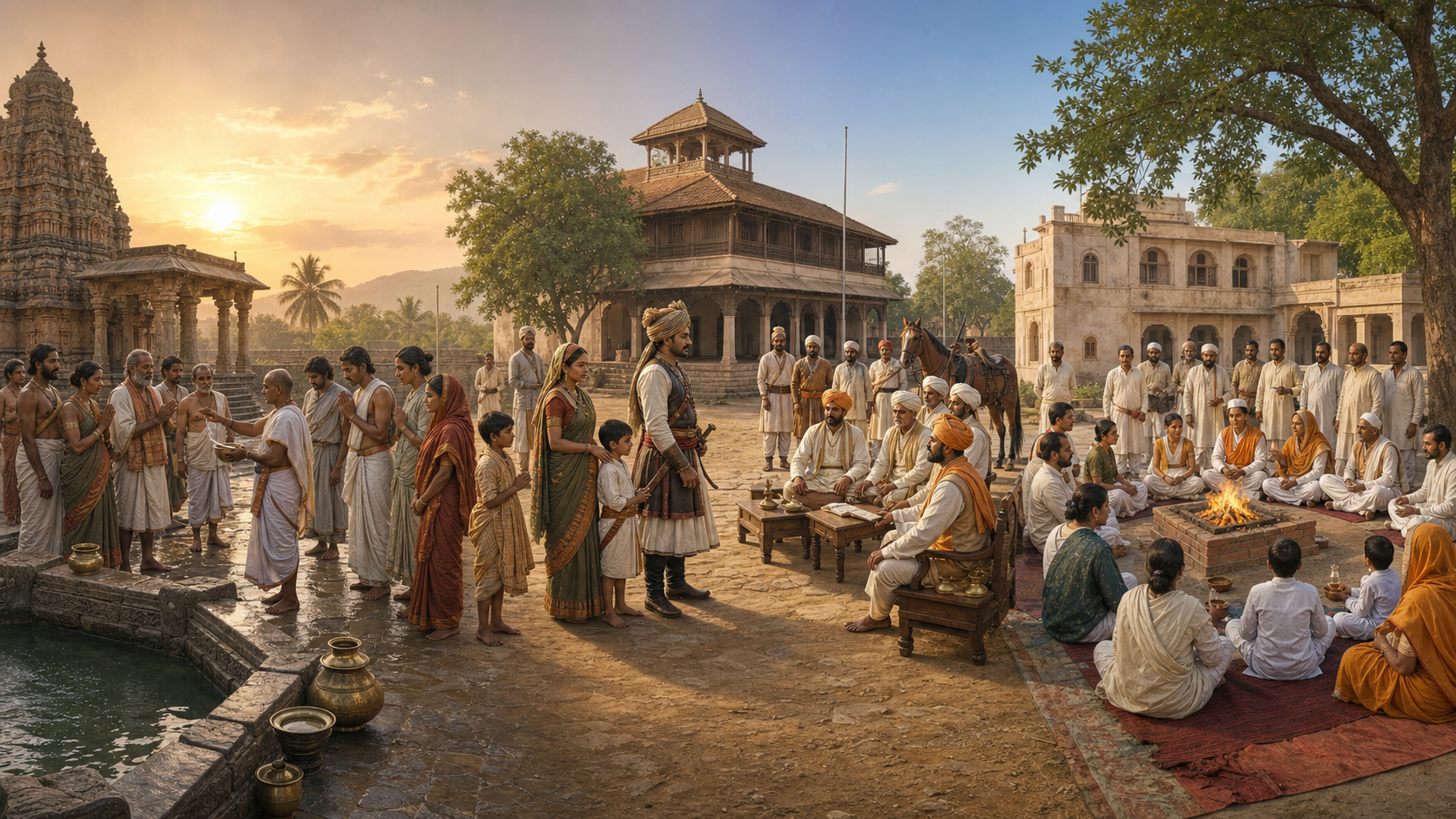
This article offers an evidence-based, academic overview of how Hinduism and related Dharmic traditions endured medieval upheavals in India. It contextualizes documented episodes of temple desecration and manuscript loss within broader patterns of cultural resilience, pluralism, and renewal. Readers gain clear insights into the decentralized mechanisms—household worship, gurukuls, oral transmission, and pilgrimage networks—that sustained continuity.…
-
Discover Changadeva: The 11th‑Century Astrologer-Mathematician Shaping India’s Legacy

I share how discovering Changadeva (also known as Chandradeva) opened my eyes to the seamless blend of mathematics and astronomy in medieval India. I highlight his reputation as an 11th-century astrologer-mathematician and note his familial link to Bhaskaracharya (Bhaskara II) as part of a rich scholarly lineage. Readers will find a personal reflection on the…