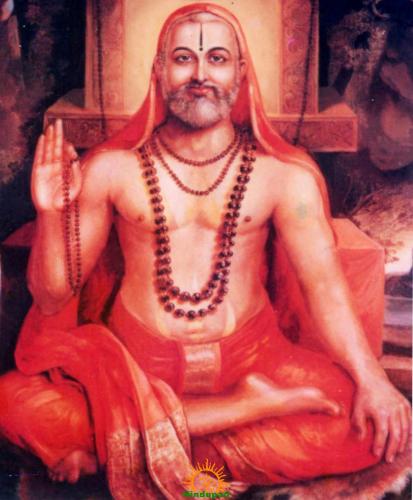
A social media post by Dr. Ajit Birnale“Hindu Taliban, Rishis etc. roam around naked, is that okay?”sparked public outrage in Jaysingpur and prompted a swift, lawful response. Concerned residents gathered at the local police station to request a formal case, after which Dr. Birnale issued an apology. The sequence of events underscores how words can carry far-reaching social consequences in India’s plural society and how communal harmony is best served through responsible speech, institutional recourse, and restorative actions.
Viewed analytically, the incident reveals the dynamics of public sentiment when religious identity and dignity appear threatened. The community’s rapid turn to legal channelsrather than confrontationsignals confidence in institutions and a preference for measured civic engagement. In contexts where Hinduphobia and derogatory comments can inflame tensions, timely apologies and structured dialogue create a stabilizing pathway consistent with a dharmic ethos that prioritizes mutual respect and social balance.
The apology functions as a meaningful step in restorative justice, acknowledging both the legal and moral dimensions of speech in a diverse Hindu society and among other dharmic communities. When followed by community dialogue, such acknowledgments can redirect public energy from grievance to learning and reconciliation. Many citizens expressed a familiar mix of hurt and hope, recognizing that accountability can coexist with empathy and that repair is possible when responsibility is embraced.
Incidents of this nature invite reflection on shared principles across Hinduism, Buddhism, Jainism, and Sikhismcompassion, restraint, and a commitment to non-harm in word and deed. Upholding these values strengthens interfaith respect and reinforces religious tolerance in Hinduism and beyond. Practical stepsmoderated dialogues, cultural literacy workshops, and shared service initiativesbuild trust, reduce polarization, and translate ideals into everyday practice.
The digital context matters. Social media amplifies speech, compresses nuance, and accelerates reaction, often outpacing reflection. A simple frameworkpause before posting, verify context, and choose empathetic languagereduces harm while aligning online conduct with ahimsa-inspired civility. Residents in Jaysingpur recognized this need, finding that an apology coupled with ethical communication norms can de-escalate conflict before it spirals.
Key takeaways are clear: words shape public life; institutions provide avenues for redress; apologies enable repair; and communal harmony flourishes when responsibility meets empathy. By translating distress into dialogue and offense into accountability, society advances toward unity in diversity. The Jaysingpur episode shows how a potentially divisive moment can become a turning pointmoving from hurt to healingwhen addressed with integrity, lawfulness, and a shared commitment to dignity across dharmic traditions.