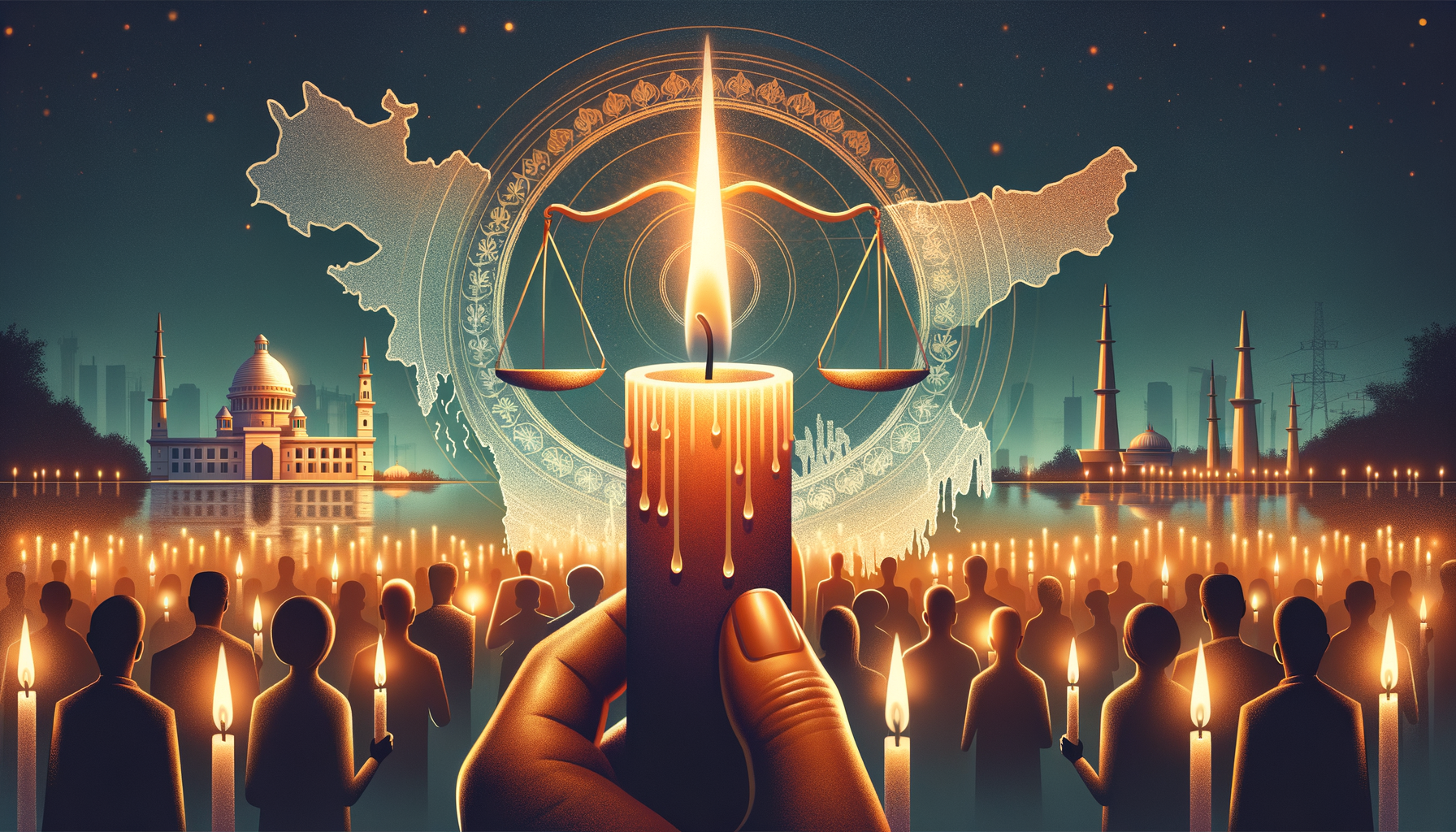
On 14 October 2025, a Hindu man, identified in local reports as Subrata Chandra Das, was killed in a brutal daylight attack in Subarnachar, Noakhali, Bangladesh. The incident, widely discussed across community networks and social media, has triggered deep concern among minority communities and civil society groups. The event has renewed urgent calls for rule of law, swift accountability, and sustained protections for Hindu minorities in Bangladesh.
Initial accounts indicate that the assault was premeditated and carried out with alarming brazenness. While details are still emerging, the nature of the attackreportedly captured in distressing footagehas intensified public anxiety. Responsible reporting and evidence-based investigation remain essential to prevent misinformation and to ensure that justice proceeds transparently and impartially.
The reaction has been immediate: community leaders, rights advocates, and legal professionals have urged a thorough inquiry, witness protection, and enhanced security in sensitive areas of Noakhali. Importantly, voices across dharmic traditionsHindu, Buddhist, Jain, and Sikhhave expressed solidarity, calling for nonviolence, communal harmony, and institutional action grounded in constitutional safeguards. Their emphasis on empathy, restraint, and unity reflects a broader social commitment to protect vulnerable populations without stoking communal fault lines.
Context matters. Bangladesh has periodically faced localized communal tensions, particularly around moments of political flux or festival seasons. Incidents of targeted violence, even when isolated, can erode public confidence and exacerbate fear. Upholding due process, expediting forensic examination, and communicating findings clearly can rebuild trust and signal that the state remains both responsive and accountable.
This tragedy also invites a collective reflection on social responsibility. Community testimonies from Noakhali reference prior incidents of intimidation and the need for rapid police response. Civil society organizations can strengthen early-warning networks, legal-aid hotlines, and victim-support systems, while faith-based groups can facilitate interfaith dialogue to reduce rumor, prevent escalation, and reaffirm shared civic values.
Policies that protect minority rights are most effective when coupled with community engagement. Practical steps include increased patrols in sensitive zones, timely FIR registration, professional victim and witness support, and public communication that avoids collective blame. Equally, educational initiatives promoting religious tolerance and civic ethicsespecially among youthcan help counter extremist narratives and build resilience.
The core message from dharmic traditions is clear: compassion, ahimsa, and justice must guide social action. Condemnation of violence must be unequivocal, yet responses should remain measured, rights-based, and inclusive. Seeking justice for Subrata Chandra Das and ensuring safety for all BangladeshisHindu, Buddhist, Jain, Sikh, and Muslim alikerequires cooperation between state institutions, local communities, and interfaith platforms dedicated to sustained peace.
In centering dignity and the rule of law, this incident can become a turning point: from outrage to constructive resolve. Strengthening dharmic unity, reinforcing minority protections, and institutionalizing interfaith dialogue are proven pathways to reduce communal violence in Bangladesh. With transparent investigation and shared civic responsibility, the region can move toward a secure and harmonious future.
Inspired by this post on Struggle for Hindu Existence.