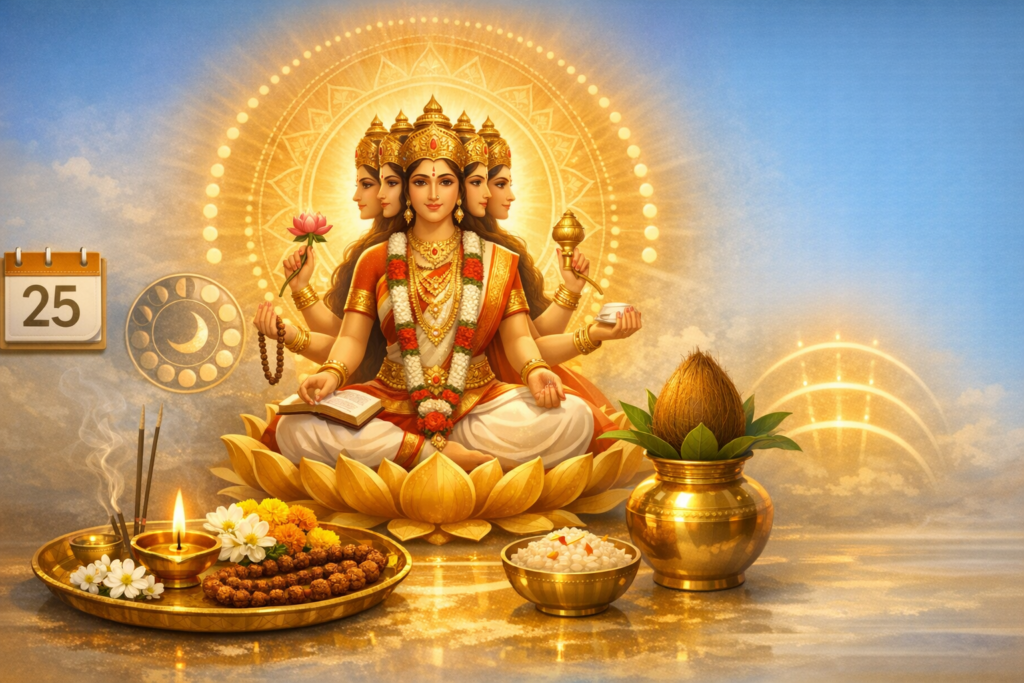
Prasnam Astrology—also known as Prasana Jothidam or horary astrology—occupies a distinctive place in Vedic wisdom as a method of seeking timely guidance at the precise moment a question arises. Revered within Hindu spiritual practice, it is held to invite the grace of Ma Shakti Devi and to offer clear direction when life presents uncertainty. While devotional narratives trace its antiquity to the Dwapara Yuga, its enduring value today lies in disciplined interpretation, ethical counsel, and a prayerful approach to decision-making.
Classical jyotisha lineages describe Prasnam as an inquiry-centered method that aligns a sincere question with the cosmic configuration of that moment. Across regions, it appears in specialized forms—most notably in Kerala’s ritual-rich Ashta Mangala Prasnam—while in other traditions it is practiced through a chart cast for the question’s time and place. Such continuity illustrates how Vedic culture preserved techniques that integrate devotion, observation, and symbolism without losing their contemplative rigor.
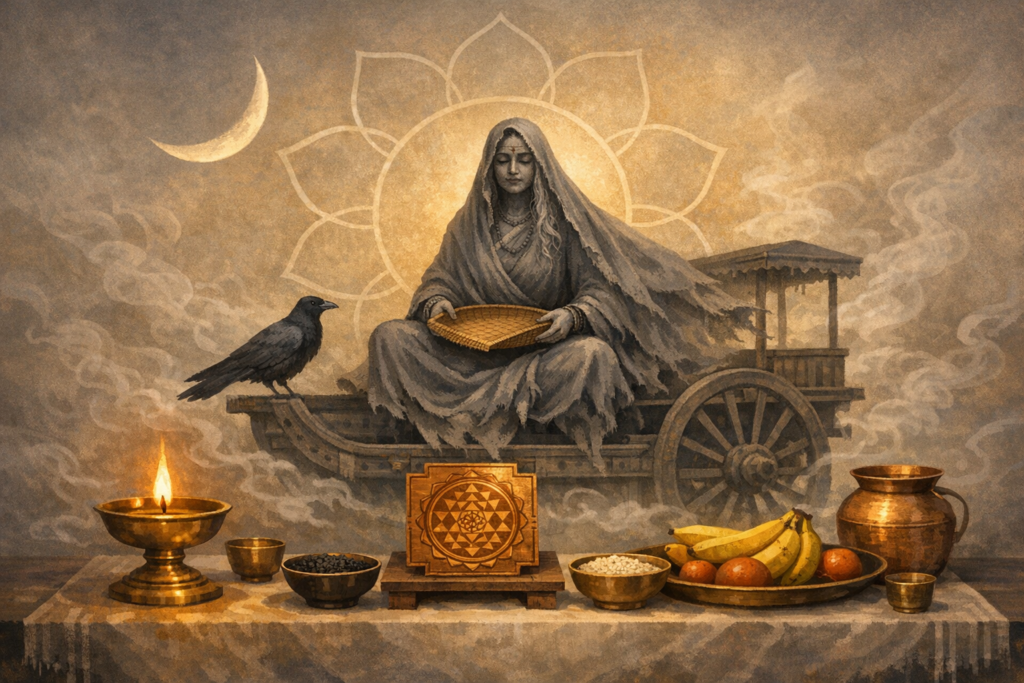
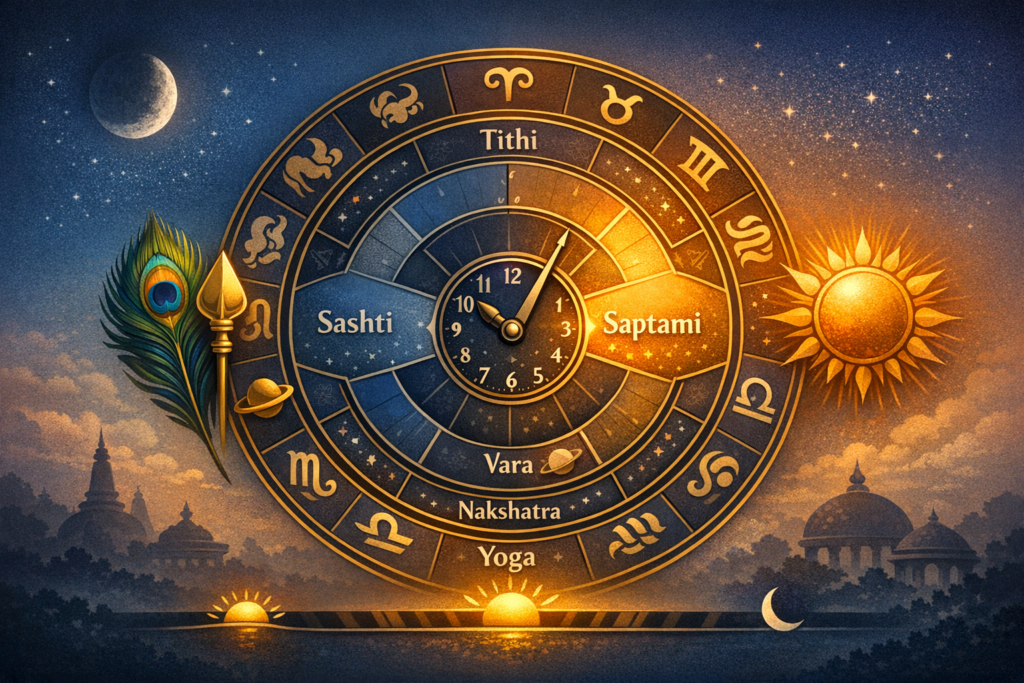
Methodologically, practitioners construct a chart for the query’s exact time, studying Lagna (Ascendant), Nakshatra, planetary lords, and the Panchang elements. In certain schools, omens and sanctified objects are considered alongside textual rules to refine meaning. Preliminary invocations to Ma Shakti Devi and allied deities frame the interpretive process in humility, ensuring that counsel remains aligned with dharma, compassion, and self-responsibility.
Benefits often cited by seekers include clarity in complex choices, reassurance in periods of doubt, and structured remedial paths (pariharas) such as japa, dana, homa, and temple seva. Beyond predicting tendencies, Prasnam Astrology aims to cultivate inner steadiness, ethical awareness, and reverence—qualities that practitioners describe as a tangible blessing of Ma Shakti Devi’s grace. When approached sincerely, it becomes a bridge between spiritual devotion and practical action.
In the broader dharmic context, the reflective ethos behind Prasnam resonates with shared values across Hinduism, Buddhism, Jainism, and Sikhism: mindful inquiry, karmic accountability, non-harm, seva, and inner clarity. While each tradition maintains its own doctrines, the emphasis on compassionate conduct and responsible choice-making provides common ground. Framed this way, Prasnam Astrology supports unity by encouraging humility, discernment, and service rather than fatalism.
Responsible practice recommends a sattvic mindset, a focused and ethically framed question, and consultation with a qualified jyotishi rooted in Vedic learning and integrity. Insights drawn from Lagna (Ascendant), Nakshatra, and the Panchang are best treated as guidance to be integrated with practical wisdom, professional advice where relevant, and personal accountability. Such balance preserves the academic discipline of jyotisha while honoring its devotional heart.
Ultimately, Prasnam Astrology endures because it unites tradition and lived experience: it offers a contemplative lens for present-time decisions, situates action within dharma, and invites the protective compassion of Ma Shakti Devi. For many families and communities, it remains a trusted pathway to navigate uncertainty with faith, reason, and a spirit of service.
Inspired by this post on Hindu Pad.