Human relationships shape the deepest layers of experience, and in Hindu thought the connection with a loved one does not end at death. Rather, it undergoes a transition. Many continue to sense a living connection with the departed—speaking to them in silence, recalling their guidance, dreaming of them, or feeling their presence during pivotal moments. Hinduism interprets this continuity through a refined spiritual framework that honors grief, reverence, and responsibility.
The metaphysical basis is clear: the ātman (Self) is eternal, while the body is impermanent. Within the cycle of saṁsāra, karma and dharma orient both the living and the deceased toward gradual spiritual evolution and, ultimately, moksha. Death is viewed not as an annihilation but as a passage, and the bonds formed by love, duty, and virtue retain meaning beyond the physical plane.
Hinduism acknowledges that continued connection may be experienced as memories, dreams, or subtle intimations. These experiences are not treated as superstition; they are framed as natural expressions of samskaras (deep impressions) and love. The tradition encourages honoring such moments while remaining grounded in dharma and cultivating vairāgya (measured non-attachment), so that affection does not become clinging.
Rituals provide a compassionate and structured response to loss. Antyeṣṭi (final rites) affirms dignity at death and supports the soul’s onward journey. Thereafter, Pinda Daan and Tarpana express gratitude and offer nourishment symbolically to the pitrs (ancestors). These practices embody the conviction that remembrance, prayer, and ethical living aid both the departed and the bereaved.
Shraddha, especially during Pitru Paksha, holds a central place in ancestral reverence. Families offer water, sesame, and food, and they dedicate acts of charity in the name of those who have passed. The rite reinforces a continuum of care: the living uphold their ancestral legacy while seeking blessings for wisdom, protection, and inner steadiness.
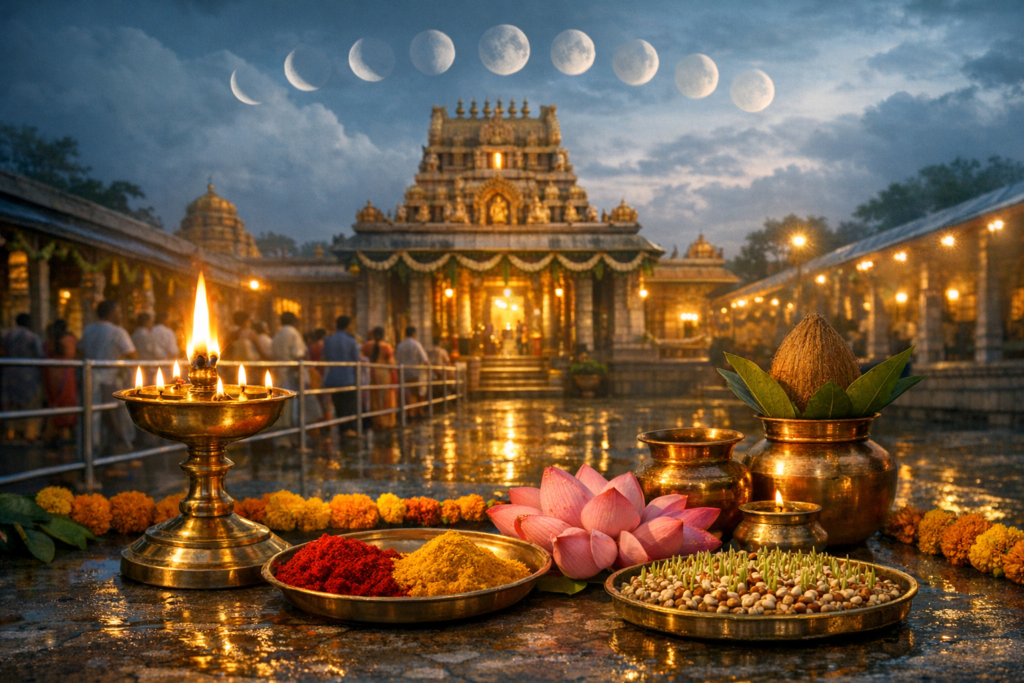
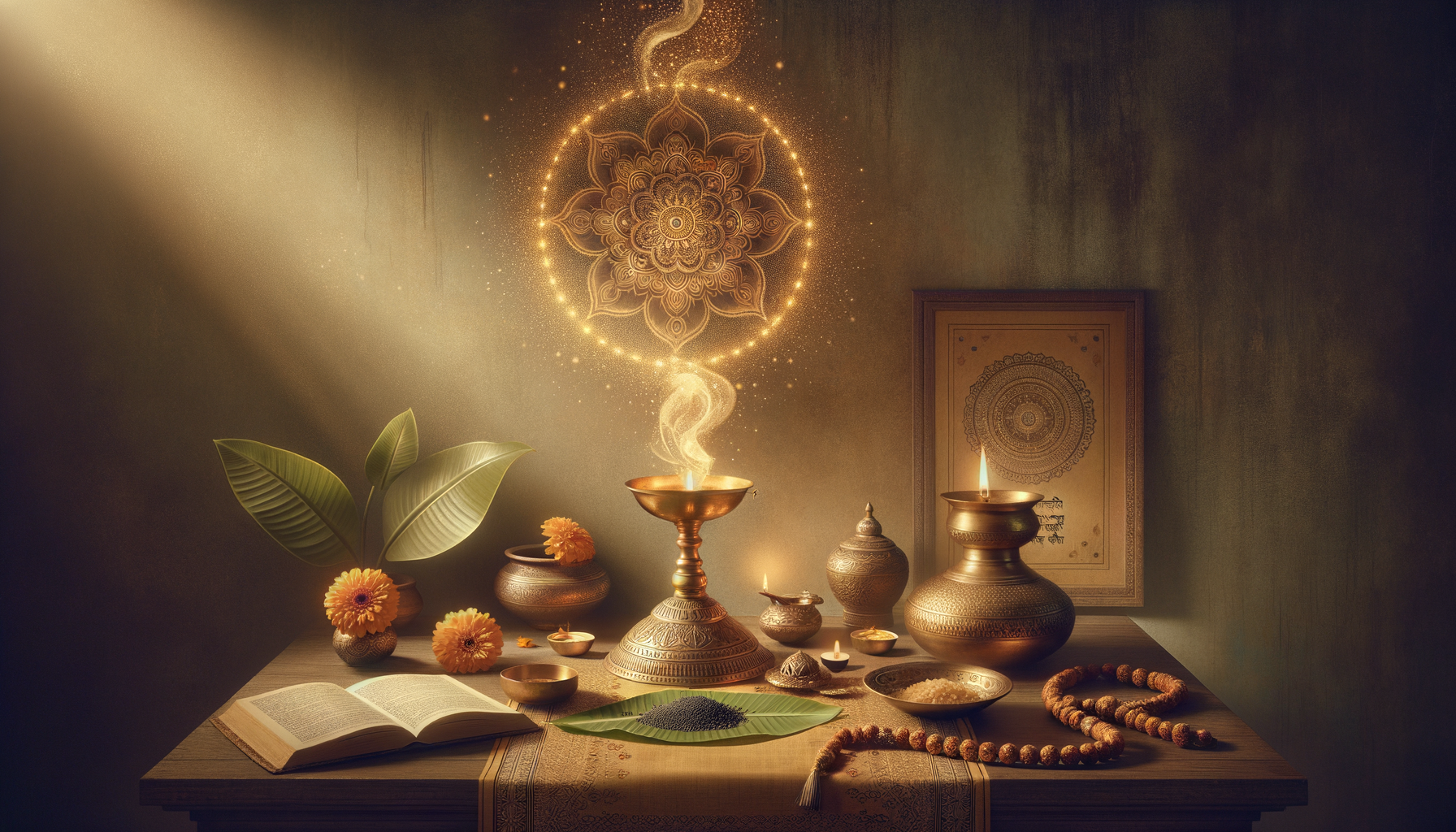
Home-based observances also sustain emotional and spiritual balance. Many keep a simple space for remembrance—lighting a diya, reciting verses from the Bhagavad Gita, chanting the Vishnu Sahasranama, or offering quiet prayer. Such practices transform grief into gratitude, anchor the mind, and gently guide attention from loss toward reverence and hope.
Dreams or perceived signs are approached with discernment. Hindu scriptures and commentarial traditions allow for meaningful dreams while cautioning against speculation. When such experiences bring clarity, humility, or peace, they are welcomed; when they foster anxiety, families are encouraged to seek guidance from a trusted elder, priest, or counselor and to return to stabilizing practices such as japa, seva, and mindful study.
Ethical living is emphasized as the highest tribute to the departed. Acts of dana (charity), ahimsa (compassionate restraint), satya (truthfulness), and seva (service) generate merit that may be dedicated to loved ones. Feeding the needy, supporting education, planting trees, or contributing to community welfare are practical ways to honor memory while improving the world the departed once inhabited.
Community and family remembrance deepens resilience. Sharing stories, preserving letters, and teaching children about their forebears turn mourning into meaning and continuity. The family thus becomes a living repository of wisdom, values, and spiritual insight—an intergenerational bridge between the present and the past.
In the broader dharmic ecosystem, there is harmony around compassionate remembrance. Buddhism recognizes the transfer of merit (pattidāna) through loving-kindness and wholesome deeds; Jainism upholds remembrance through ahimsa, restraint, and sincerity of intention; Sikhism emphasizes Ardas, Naam Simran, seva, and acceptance of hukam. These resonances affirm a shared ethos: grief is dignified, remembrance is ethical, and spiritual growth remains the enduring aim.
Hindu tradition also advises clear boundaries. Sensational attempts to summon spirits or to commodify grief are discouraged. Instead, reliance on time-tested samskaras, scriptural counsel, and wise community support protects emotional health and honors the sacredness of the departed.
Practical guidance follows naturally: maintain regular prayer or meditation for inner steadiness; dedicate charitable acts in the loved one’s name; observe Shraddha and Pitru Paksha with sincerity; engage in satsanga for support and clarity; and keep the memory of the departed alive through stories, virtues, and service. Each step aligns love with dharma, ensuring that connection remains compassionate and constructive.
Ultimately, Hinduism offers a hopeful synthesis: bonds remain real, grief is sanctified, and love matures into wisdom. Through rituals, remembrance, and righteous conduct, the living support the departed while cultivating inner peace and spiritual progress. In this way, an eternal bond becomes a path—gently guiding both the living and the departed toward light, understanding, and moksha.
Inspired by this post on Hindu Blog.