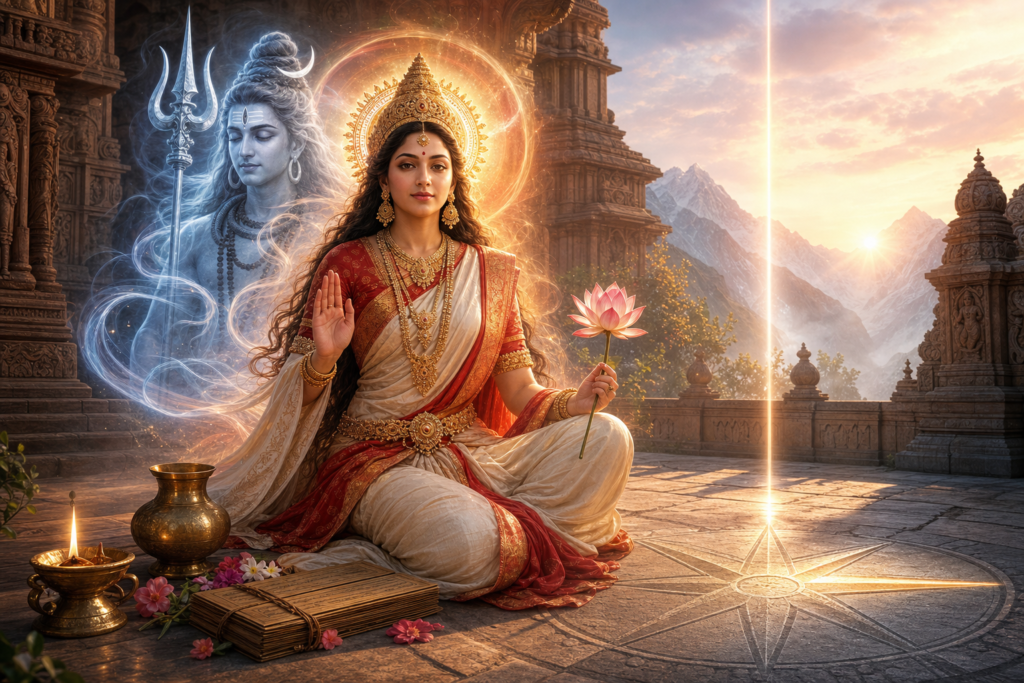
Friday, November 21, 2025, in the Hindu Calendar (Panchang) marks Shukla Paksha Pratipada, the first day of the waxing lunar fortnight. This tithi prevails until 1:09 PM on November 21, after which it transitions to Shukla Paksha Dwitiya. These timings reflect most regional calculations; minor variations may occur based on local Panchang conventions.
Shukla Paksha Pratipada is traditionally associated with renewal, intention-setting (sankalpa), and the gentle emergence of light after the lunar dark phase. In many households, the day is treated as an auspicious threshold for beginning planned tasks, organizing study schedules, or initiating family observances noted in the Hindu calendar and Panchang.
Following 1:09 PM, the tithi becomes Shukla Paksha Dwitiya, which carries connotations of steadiness and the early consolidation of new efforts. Observances on such a day often emphasize calm focuslighting a diya, practicing brief meditation or japa, or reading a short passage from revered textsactions that reinforce clarity and continuity during the waxing phase of the moon.
Nakshatra, Rashi, and shubha muhurta (good time) are essential components of a daily Panchang but vary by location and computational method. For precise Nakshatra, Rashi, and auspicious time on November 21, 2025, practitioners are advised to consult a reliable regional almanac or temple noticeboard. Aligning significant activitiessuch as travel, study, or home riteswith locally verified muhurta supports both accuracy and tradition.
Across dharmic traditionsHinduism, Buddhism, Jainism, and Sikhismthe waxing lunar phase is widely appreciated as a reflective window to cultivate discipline, compassion, and inner equilibrium. Simple, inclusive practicesmindful breathing, gratitude before meals, and charitable intenthonor the spirit of Shukla Paksha while fostering unity in spiritual diversity.
For planning and reflection, this Panchang note offers a concise guide: Shukla Paksha Pratipada prevails until 1:09 PM, followed by Shukla Paksha Dwitiya for the remainder of the day. Using the Hindu calendar thoughtfullyverifying Nakshatra, Rashi, and muhurta locallysupports intentional living and strengthens shared cultural observances with clarity and care.
Inspired by this post on Hindu Blog.