
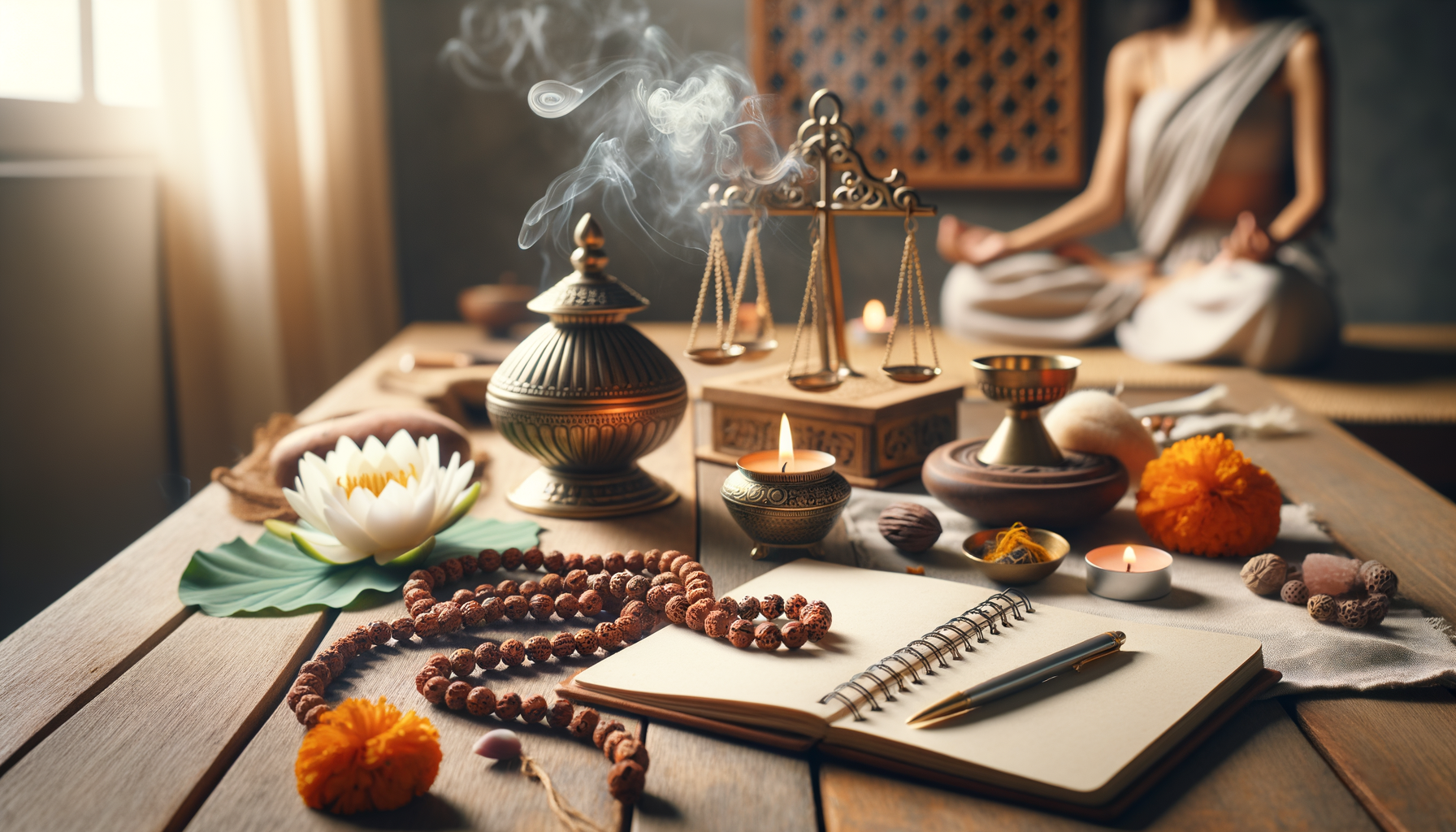
Delayed marriages can create anxiety for individuals and families alike. Within the Hindu tradition, Shighra Vivaha Mantras are approached as contemplative aids that cultivate patience, clarity, and hope. Framed as spiritual practices rather than quick fixes, these mantras support emotional resilience while families continue their thoughtful, real‑world efforts to find compatible life partners.
The practice most frequently referenced for a Kanya (unmarried girl) centers on the following mantra: || OM KLEEM HREEM MATANGI PHAT SWAHA ||. Traditional guidance suggests maintaining the discipline for 40 days, ideally at a consistent time daily. A quiet, clean space, steady breath, and a clear sankalpa (intention) help sustain focus. The emphasis remains on sincerity, regularity, and a compassionate mindset toward oneself and others.
Some lineages also mention a second mantra to be chanted by the girl’s mother. As specific texts vary across parampara (traditions), families that do not have a definitive version often choose either to repeat the above mantra with the mother’s supportive intention or to offer their customary daily prayers. This shared practice can foster intergenerational calm, strengthen family solidarity, and channel collective goodwill toward a timely and harmonious marriage.
The broader dharmic ethos affirms unity across paths. In Hinduism, Buddhism, Jainism, and Sikhism, sound, breath, and intention are widely valued for steadying the mind and opening the heartwhether through japa, metta (loving‑kindness) reflections, the Namokar Mantra, or Naam Simran. Seen in this light, Shighra Vivaha Mantras embody a shared spirit of mindfulness and compassion, nurturing inner balance while honoring diverse spiritual practices within the dharmic family.
Practical guidelines can enhance the experience: sit comfortably with an upright posture; maintain a gentle breath; and, if helpful, use a japa mala to keep count. Some follow 108 repetitions; others prefer a time‑based discipline. Beginning and concluding the session with gratitude encourages a balanced outlook. Reflecting on qualities that support harmonious relationshipsrespect, empathy, patience, and truthfulnessaligns the inner practice with the outer goal.
Spiritual practice works best alongside practical action. Open conversations within the family, thoughtful consideration of compatibility, active engagement with trusted community networks, and, where needed, guidance from counselors or mentors can all complement mantra discipline. The intent is not to replace practical steps but to bring steadiness and clarity to them.
An ethical foundation remains essential. Mantras are not instruments of coercion or guarantee; they uphold consent, dignity, and mutual respect. Outcomes may vary, but the primary benefitsemotional composure, focus, and a hopeful, principled approachare valuable in themselves. When engaged with humility and care, Shighra Vivaha Mantras can help transform worry into purposeful calm while keeping families unified in spirit.
Inspired by this post on Hindu Pad.
