Across Hindu households, a recurring question emerges with quiet urgency: can Hindu women perform Tarpan, Pinda Daan, and Shradh? Grounded in Hindu philosophy and reflected in diverse regional customs, the answer is clear and affirming—these ancestral rites express a universal obligation that is not restricted by gender.
Hindu thought recognizes three enduring obligations, or rin: Rishi Rin (debt to sages), Acharya Rin (debt to teachers), and Matri-Pitri Rin (debt to parents and ancestors). Each applies to all human beings. The concept of Pitri Rin acknowledges that every child—irrespective of gender—bears gratitude toward forebears and may discharge that duty through Shradh, Tarpan, and Pinda Daan.
In essence, Shradh is a ritual of remembrance and thanksgiving. Tarpan offers water with reverence to ancestors, while Pinda Daan presents symbolic offerings that signify continuity, nourishment, and care for the lineage. These practices are less about exclusive roles and more about śraddhā—sincere devotion, intention, and ethical action.
Scriptural literature, Dharmashastras, Grihya Sutras, and regional traditions consistently emphasize intention (bhāva) and relationship (bandhu) as central to ritual efficacy. Historical and community records note circumstances in which wives, daughters, and mothers have undertaken ancestral observances—especially when proximity, responsibility, or capacity placed them as the natural stewards of family rites.
While certain locales standardized the role of the eldest son, this practice never represented a uniform pan-Indian rule. Dharmic jurisprudence has long accommodated variation based on context (deśa-kāla-paristhiti) and necessity (āpaddharma). Contemporary Hindu communities in India and the diaspora increasingly reflect this flexibility, honoring women who uphold Shradh with both scriptural awareness and cultural sensitivity.
The heart of these observances lies in ethical living: gratitude, compassion, and service. Acts such as charity (dāna), feeding beings (annadāna), recitation of sacred verses, or contemplative remembrance undertaken in the name of ancestors are meaningful expressions of Pitri Rin. In many families, women sustain ritual life through daily worship, festival observances, and caregiving; extending that stewardship to Shradh is a natural, coherent continuity.
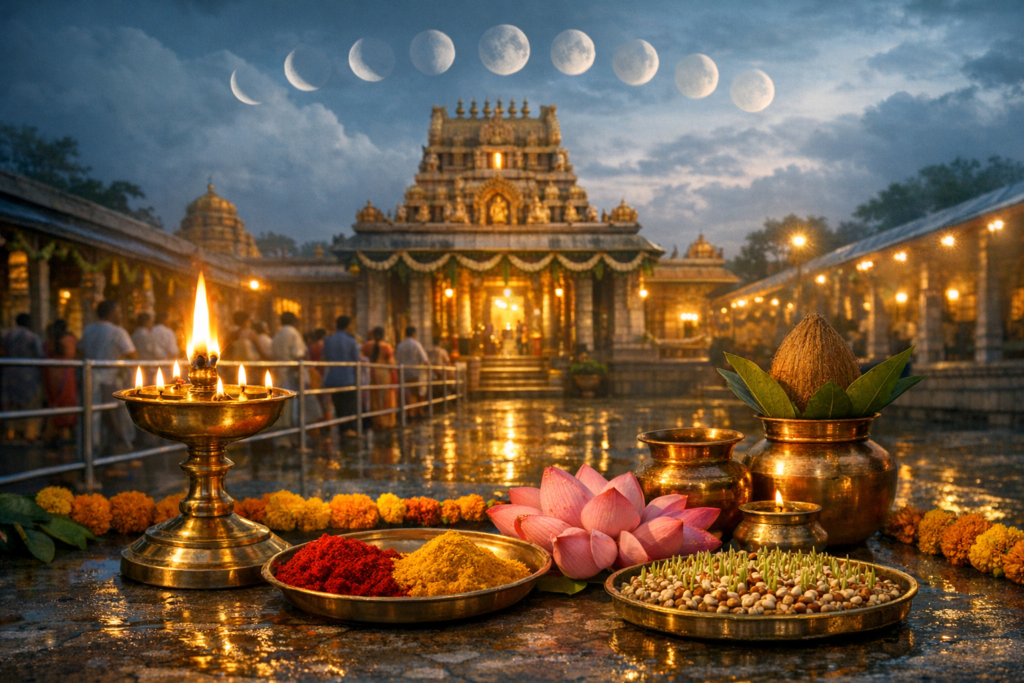
Practical pathways are accessible and dignified. Some choose to perform Tarpan with water, til, and kuśa where available; others offer Pinda Daan with simple, sanctified rice preparations; many add dāna or annadāna in remembrance. Sankalpa stated with clarity of intent, remembrance of family elders and teachers, and prayers for the well-being of all beings align the practice with core Hindu values. Guidance from family elders, community priests, or trusted texts may be sought, but personal capacity and sincere intention remain central.
These rites also harmonize with the wider dharmic ethos. Across Hinduism, Buddhism, Jainism, and Sikhism, remembrance, service (seva), compassion (dayā), and community nourishment reinforce respect for lineage and teachers. Whether through meditation, dāna, langar, or collective prayer, the dharmic family affirms gratitude to those who came before, encouraging unity in diversity without imposing a singular path.
Common questions often concern propriety, local custom, or timing. Practice varies by region and sampradāya, especially during Pitru Paksha, and families may follow established household traditions. When uncertainty arises, communities typically balance textual guidance with compassion, emphasizing that the moral center of Shradh is sincerity, remembrance, and the welfare of all.
Viewed through the lens of Hindu philosophy, enabling women to perform Tarpan, Pinda Daan, and Shradh does not break tradition; it completes it. It honors the universal nature of Pitri Rin, strengthens family bonds, and preserves samskāras with dignity. In every setting—rural, urban, or diasporic—this inclusive understanding deepens cultural continuity while upholding the ethical spirit at the heart of dharma.
Inspired by this post on Hindu Blog.