
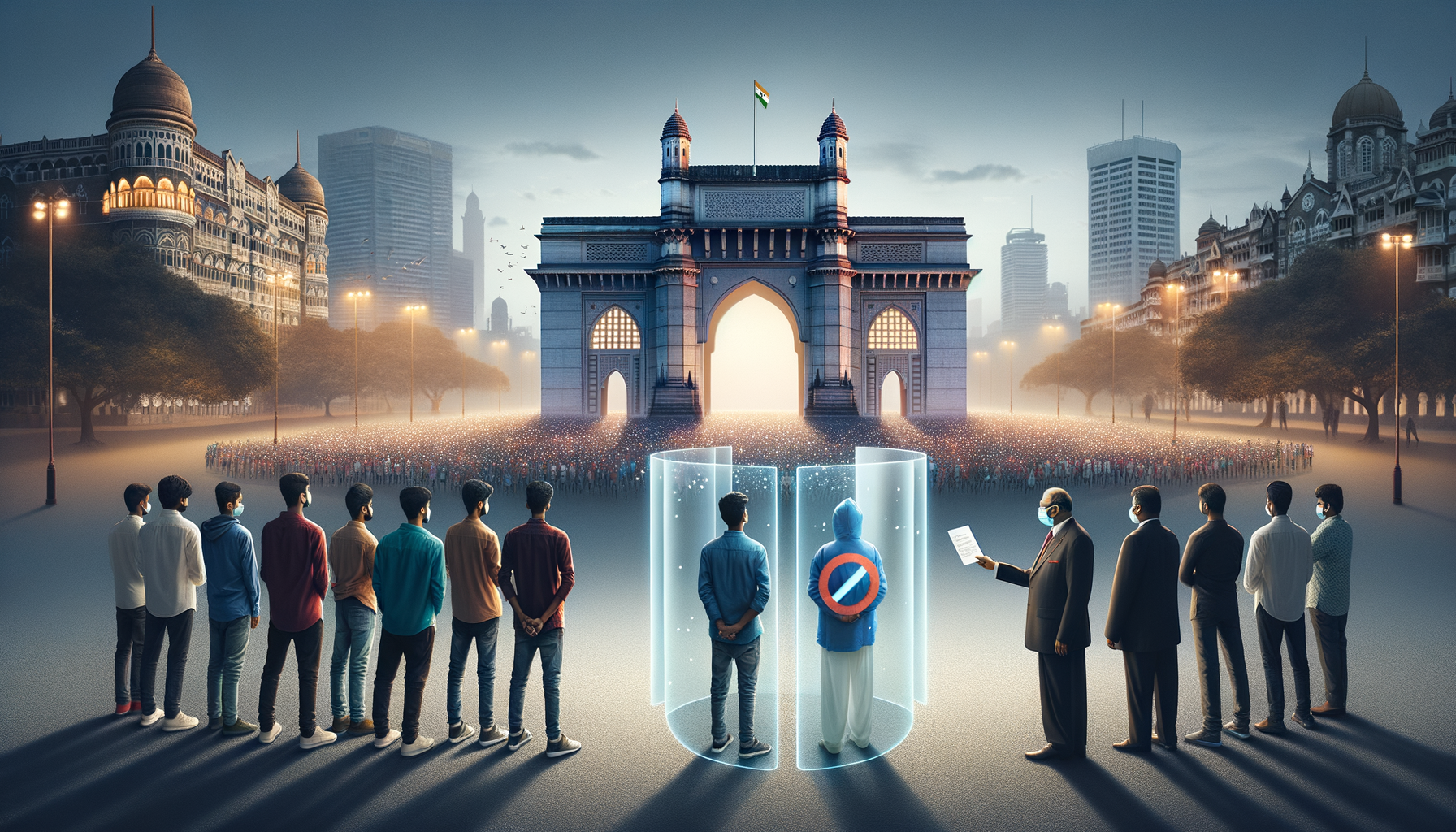
Nasha Virodhi Sangharsh Abhiyan has submitted a memorandum to the Mumbai District Collector opposing the Sunburn festival, asserting that Maharashtra should not permit drug-associated festivals due to their potential harm to youth and society. The submission emphasizes youth safety, public health, and community welfare, framing the issue as a matter of responsible event regulation and substance abuse prevention.
The memorandum links large-scale music festivals perceived to be drug-associated with increased risks of substance misuse, medical emergencies, and policing burdens. It argues that event licensing must prioritize community safety and public order while ensuring that entertainment does not inadvertently enable illicit activity.
Echoing concerns frequently voiced by parents, educators, and health professionals, the appeal highlights adolescence as a vulnerable period for experimentation and peer pressure. For many families, festival weekends can bring anxiety about travel safety, crowd management, and exposure to harmful behaviors. The filing situates these concerns within a broader public health conversation about how urban events shape youth behavior, social norms, and long-term wellbeing.
At the same time, the position underscores that Maharashtra’s vibrant culture and tourism can flourish through drug-free celebrations that foreground music, art, and community without compromising safety. In line with shared dharmic values across Hinduism, Buddhism, Jainism, and Sikhismsuch as ahimsa, mindfulness, seva, and collective responsibilitythe memorandum encourages cultural programming that strengthens social cohesion and offers youth positive, inspiring spaces.
Constructively, the memorandum calls for a clear regulatory framework: robust licensing conditions; rigorous event risk assessments; zero-tolerance and compliance protocols; on-site medical support and early warning systems; strong coordination with law enforcement; and verified age controls. Transparent accountability for organizers, along with community consultation, is presented as essential to protect minors, safeguard neighborhoods, and uphold public trust.
Such measures, it argues, can support arts, culture, and tourism while placing youth welfare and public health at the center. The goal is not to stifle creativity but to ensure that high-profile festivals adopt preventive safeguards that minimize harm and uphold the law, thereby modeling responsible, modern event management.
In conclusion, the memorandum urges Maharashtra to set a high bar for event regulation by declining permissions for festivals perceived as drug-linked and by incentivizing drug-free cultural alternatives. By aligning policy with substance abuse prevention, youth empowerment, and community safety, the state can preserve its cultural dynamism while protecting the next generation.
Inspired by this post on Hindu Jagruti Samiti.










