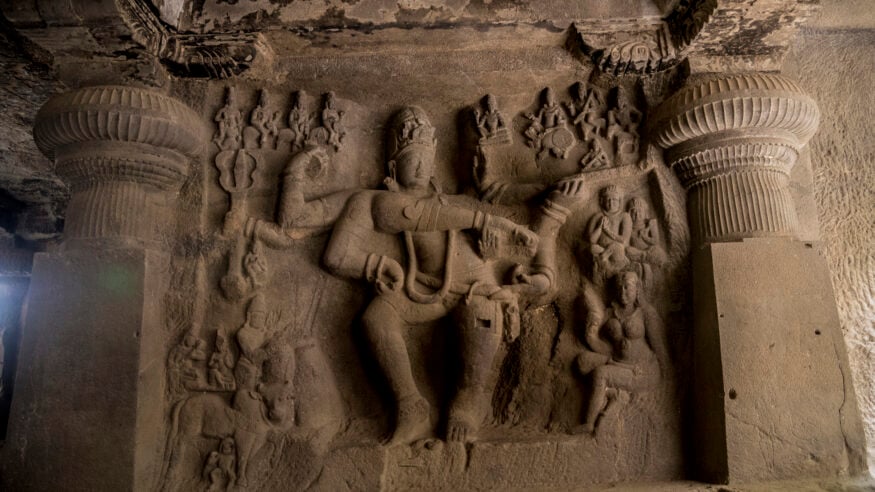
Kaal Bhairav Jayantialso known as Maha Kala Bhairava Jayanthi and Kala Bhairava Ashtamicommemorates the appearance of Lord Kaal Bhairav, the fierce and protective form of Lord Shiva. In 2025, Kaal Bhairav Jayanti falls on November 12. Traditionally, this observance takes place on the eighth lunar day (Ashtami) following Kartik Purnima; Kalabhairava Ashtami is thus observed during the Margashirsha month in many regional calendars.
Across Shaiva and Shakta traditions, Kaal Bhairav is revered as the guardian of time (Kala) and the vigilant upholder of dharma. Reflecting on Kaal Bhairav as a symbol of fearlessness, ethical discipline, and responsibility invites an inner resolve that many devotees find both grounding and transformative. The day is often experienced as a reminder to confront inner fears, cultivate vigilance in conduct, and align actions with higher principles.
Common observances include vrata (fasting), temple visits, and evening deepa lighting. Devotees may recite stotras such as the Kalabhairava Ashtakam, offer oil lamps, black sesame, and perform abhishekam at Shiva and Bhairava templesespecially in sacred centers like Kashi and Ujjain. Acts of seva, including feeding dogs, are undertaken as expressions of compassion and humility. Many find that a period of quiet reflection at dusk enriches the vrata with clarity and calm.
From a calendrical perspective, Kala Bhairava Ashtami occurs on the Krishna Ashtami tithi after Kartik Purnima. While many follow the Margashirsha designation, regional almanacs (Panchang) may note variations based on local traditions and time zones. Consulting a local Panchang helps align personal observance with precise tithi timings and sunrise-sunset windows.
In the broader dharmic family, the virtues celebrated on Kaal Bhairav Jayanticourage, self-discipline, and compassionate vigilanceresonate across Hinduism, Buddhism, Jainism, and Sikhism. Bhairava forms appear within Shaiva and Shakta lineages and are acknowledged in certain Vajrayana streams; the ethical commitments emphasized on this day harmonize with Jain tapas and Sikh valor in upholding righteous conduct. Approached in this inclusive spirit, the observance becomes a shared reflection on time, duty, and unity.
Practical ways to deepen the day’s meaning include setting a brief sankalpa in the morning, observing mindful restraint, dedicating time to japa or meditation, and offering small acts of service (anna daan) to those in need. Even a simple evening lamp, lit with focused intention, can mark the transition from restlessness to steady inner awareness.
Observed on November 12, 2025, Kaal Bhairav Jayanti offers a timely opportunity to harmonize discipline with compassion. By honoring Lord Kaal Bhairav through thoughtful vrata, meaningful prayer, and service, devotees engage a living tradition that strengthens individual integrity and nurtures communal well-being.
Inspired by this post on Hindu Pad.