अहोई अष्टमी का व्रत सन्तान की उन्नति, प्रगति और दीर्घायु के लिए होता है| यह व्रत कार्तिक कृष्ण पक्ष की अष्टमी को किया जाता है| दीपावली के ठीक एक हफ्ते पहले पड़ती है l अहोई अष्टमी का व्रत विधि व्रत करने वाली स्त्री को इस दिन उपवास रखना चाहिए| सायं काल दीवार पर अष्ट कोष्ठक की
Anchored in the Kartik month, Ahoi Ashtami is a widely observed Hindu festival dedicated to the wellbeing, growth, and longevity of children. The observance falls about a week before Diwali, aligning the vow with the season of lights and renewal in Sanatan Dharma. The core intentionprayerful care for the next generationresonates across families and communities, offering both cultural continuity and spiritual depth.
The customary observance is marked by day-long fasting, devotion, and evening worship. In many homes, a simple sacred space is prepared with a lamp, water, and offerings, followed by the recitation or listening of the Vrat Katha. At nightfall, participants traditionally offer water to the stars and conclude the fast after star-sighting, a gentle reminder of cosmic order guiding family life and Hindu rituals.
Iconography plays an important role in the evening worship. The practice referenced as “सायं काल दीवार पर अष्ट कोष्ठक की” is customarily completed by drawing an eight-part grid (अष्ट कोष्ठक) or an image of अहोई माता on the wall or on a clean board. Offerings of sweets, grains, or seasonal produce are placed, and the Katha is narrated in a calm, meditative atmosphere. The eight squares symbolically reflect Ashtami’s tithi and the protective, nurturing intent of the vow.
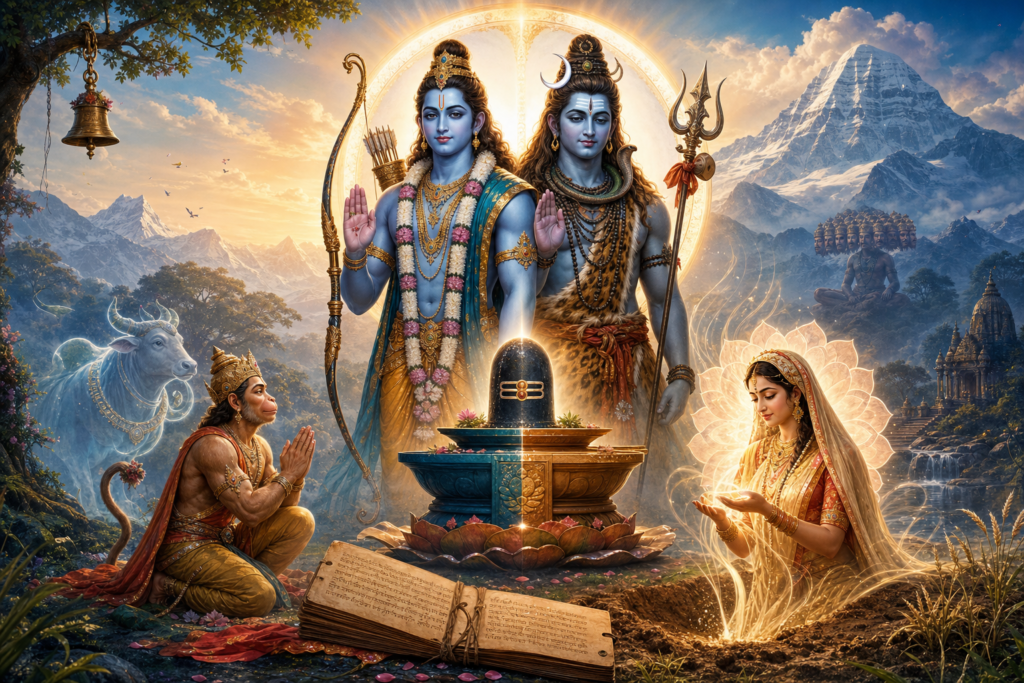
Popular versions of the Ahoi Ashtami Vrat Katha recount a mother’s inadvertent harm to a small creature while digging for soil, leading to a period of misfortune concerning her children. In deep repentance, she undertakes the Ahoi vow with sincerity and compassion; through prayer, restraint, and remorse, grace is restored and the family’s wellbeing returns. The narrative emphasizes ethical reflection, ahimsa, and the transformative power of repentancetimeless values in Hindu festival traditions.
Within the broader dharmic familyHinduism, Buddhism, Jainism, and Sikhismthe shared ethos of caring for children, practicing compassion, and cultivating self-discipline is widely appreciated. While Ahoi Ashtami itself is a Hindu observance, many households from these traditions cherish parallel virtues: mindful restraint, charitable giving (dāna), communal prayer or ardas for children’s welfare, and reflective practices that foster harmony. This inclusive lens strengthens unity across dharmic traditions while honoring distinct customs.
In lived experience, the vow fosters intergenerational bonding. Families often recall grandmothers’ stories, careful preparations of the puja thali, and the quiet anticipation of the evening star. Children participate by arranging offerings or listening to the Katha, nurturing cultural memory through gentle participation rather than compulsion. Many participants describe the fast as a balanced practiceanchored in intention, moderated by health, and enriched by devotionrather than mere abstinence.
For practical observance, consulting a local panchang ensures accurate tithi, star-sighting, and evening timings in the Kartik Krishna Paksha. Those unable to undertake a full fast often opt for fruit-only or water-based fasting, additional mantra-japa, or acts of service and charity. The guiding principle remains steady: sincerity, non-harm, and the welfare of children, aligning ritual form with compassionate substance during the Diwali season.
In essence, Ahoi Ashtami integrates devotion, ethical reflection, and family care into a single, accessible vow. As households light lamps and offer water to the stars, the festival quietly renews bonds of affection, gratitude, and responsibilityqualities that illuminate the path from one generation to the next, in harmony with the spirit of Diwali and the living heritage of Cultural Traditions.
Inspired by this post on Hindu Pad.