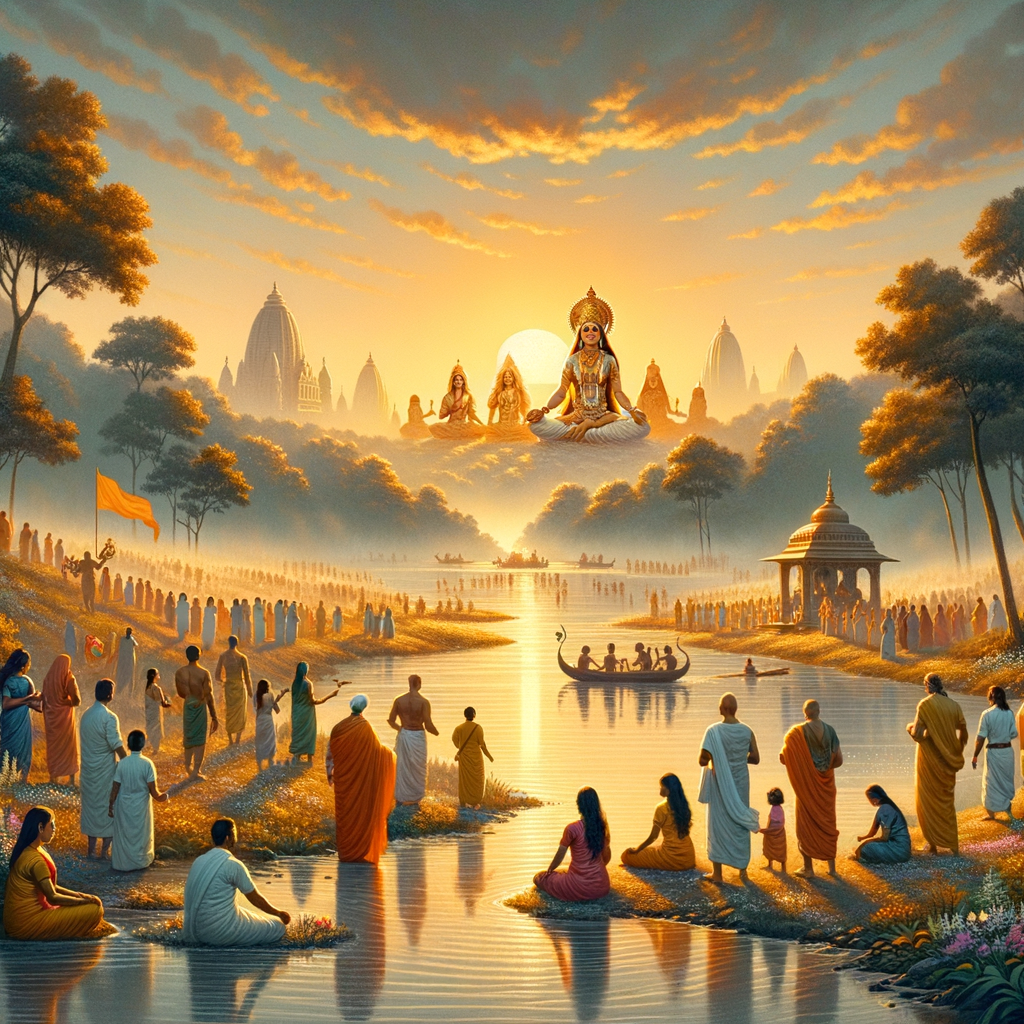
As I find myself immersed in the sacred dawn of Mahalaya, I am reminded of the profound transition it represents in the Hindu calendar, particularly dear to us Bengalis. This day marks the end of Pitru Paksha, a fortnight dedicated to honoring our ancestors, and ushers in Devi Paksha, which celebrates the anticipated arrival of Maa Durga.
Pitru Paksha is a time for us to reflect and pay homage to our forebears. During this 15-day lunar period, families across India, including mine, engage in shraddha, the death rites, culminating on Sarvapitri Amavasya or Mahalaya Amavasya. On this day, we perform rituals like pind daan and tarpan, offering rice balls and water mixed with sesame seeds to our ancestors. These acts connect us with those who’ve passed, bringing peace to their souls and blessings to us, their living descendants.
Honoring our ancestors is not just a ritual; it is a heartfelt expression of gratitude for the legacy they have left us. Through these practices, we seek prosperity and protection, maintaining the spiritual bond across generations.
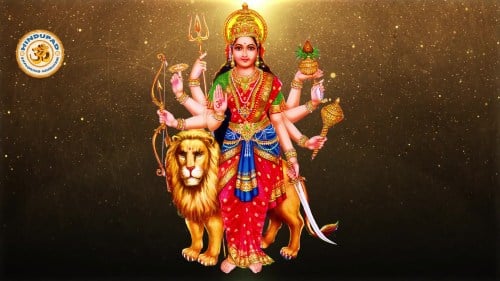
As the dawn of Mahalaya breaks, a sense of joy fills the air with the beginning of Devi Paksha. I can almost feel Maa Durga’s journey from her heavenly abode in the Himalayas to her earthly home, accompanied by her childrenGanesha, Kartikeya, Lakshmi, and Saraswati. This transition from a period of solemnity to festive excitement is palpable.
Mahalaya also brings the ritual of Chokku Daan, where the eyes of Maa Durga’s murti are painted, giving it life and inviting the divine presence into her earthly form.
A cherished tradition for us is the pre-dawn broadcast of Mahisasura Mardini. At 4:00 AM, my family and I, like many other Bengali households, awaken to the enchanting strains of Sanskrit chants from the Devi Mahatmya, Bengali devotional songs, and the stirring narration of Maa Durga’s victory over the demon Mahishasura.
This divine music, first aired in 1931, continues to resonate through generations. With Birendra Krishna Bhadra’s legendary voice narrating, the broadcast remains a ritual in itself. Listening to “Jaago Tumi Jaago” is more than tradition; it is an invocation, a call for the Goddess to awaken and grace us with her presence.
Whether in Kolkata, San Francisco, or Toronto, we rise before dawn, tuning in via radio, television, or online streams, sharing in this timeless chant that beckons Maa’s descent. Having offered tarpan to our ancestors, we welcome Maa Durga with open hearts, celebrating the convergence of past and present.
Shubho Mahalaya!